Can $500,000 Really Pay You $2,000 a Month in Dividends
Investing more money into dividend stocks will translate into more cash flow, and some retirees aim to use that simple framework to cover their living expenses. It’s quite feasible to earn $2,000 per month in dividends with a $500,000 dividend…


Investing more money into dividend stocks will translate into more cash flow, and some retirees aim to use that simple framework to cover their living expenses. It’s quite feasible to earn $2,000 per month in dividends with a $500,000 dividend portfolio, but you will have to narrow your focus toward high-yield stocks.
Understanding the math behind dividend investing can show you the possibilities of this compelling investing model.
The Math Behind Making $2,000 Per Month In Dividends
Dividend yields reflect the annual yield as a percentage of the stock’s current price. To calculate how much you need to earn $2,000 per month, you must first convert it to its annualized amount, which is $24,000.
Then, you have to divide this number by the intended portfolio size, $500,000 in this instance, to arrive at the necessary yield. A $24,000 payout from a $500,000 portfolio translates into a 4.8% yield. There aren’t many stocks with yields above 4.8%, and most of these companies are mature blue-chip firms that underperform the S&P 500. However, some investors value low volatility over high returns.
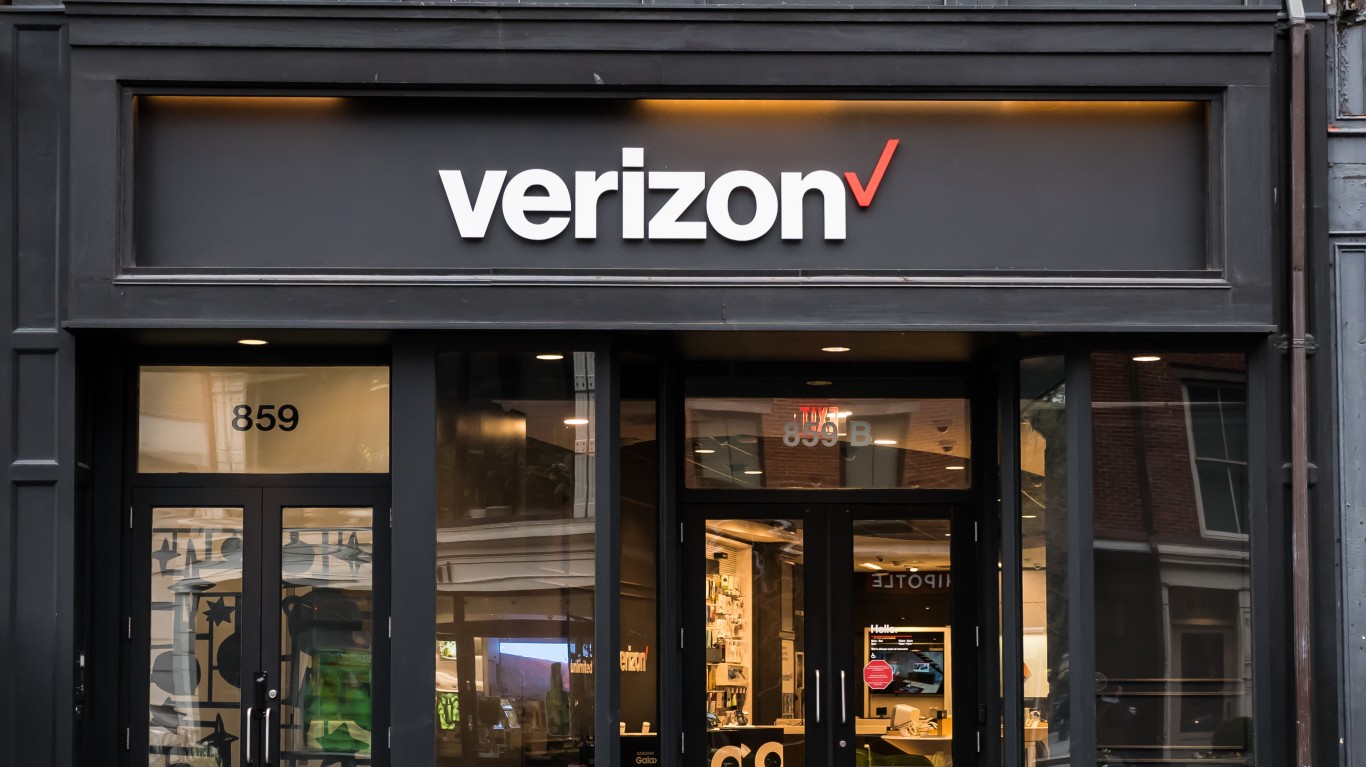
Verizon (NYSE:VZ | VZ Price Prediction) and Realty Income (NYSE:O) both fit the bill with yields above 5%. If you put $500,000 into either of these stocks, you would earn more than $2,000 per month. Realty Income actually pays out its dividends each month, while Verizon and most other dividend stocks do quarterly payouts. Realty Income offers more than $2,000 per month in this scenario, while Verizon gives out more than $6,000 per quarter. Both picks result in more than $24,000 in annual income if you can put $500,000 into them.
Diversifying Your Portfolio
Verizon and Realty Income are both high-yield picks, but you wouldn’t want to exclusively put your money into those stocks. A well-diversified portfolio reduces risk during downturns and lets investors capitalize on more upside potential.
Pepsi (NASDAQ:PEP) has a 3.70% yield, so you will need more than $500,000 in this stock to earn $2,000 per month. However, the company has an excellent history of hiking its dividend each year. While Verizon often raises its dividend by 3% or less, Pepsi hiked its dividend by 5% last year. If you get into Pepsi at a 3.70% yield, and the company maintains an annualized 5% dividend growth rate for five years, you end up with a 4.72% yield on your current cost basis. That’s right on the cusp of the necessary 4.8% yield, and if you reinvest dividends into Pepsi stock for each of those quarters, you can actually hit the necessary 4.8% yield within five years.
Part of earning $2,000 per month from a $500,000 portfolio is how soon you need to earn $2,000 per month. Investors who can wait a few years have more time to reinvest their dividends into additional shares. Each share translates into more income, and your dividend payouts will compound over time.
While Pepsi is delivering a respectable growth rate while having a high yield, other dividend growth stocks have low yields but tremendous returns. AI chipmaker Broadcom (NASDAQ:AVGO) has surged by more than 500% over the past five years, but it only has an 0.86% yield. Some dividend investors still go for these types of stocks because of their growth rates. Broadcom hiked its dividend by 10% last year.
Maintaining that growth rate for 10 years results in a 2,23% yield on the current cost basis. Some investors are okay with low yields now if it gives them a higher likelihood of outperforming the S&P 500 in the long run. The hope is that these same stocks produce lucrative cash flow by the time they retire.
The Downside With Options ETFs
If you are looking for the highest possible yield, you may stumble across options ETFs like the JPMorgan Equity Premium Income ETF (NYSEARCA:JEPI). This fund is diversified and has a 7.56% SEC yield, so what’s the problem?
These types of funds tend to have high expense ratios. While JEPI’s 0.35% expense ratio is decent, you can find passively-managed ETFs with much lower fees. Some options ETFs have fees closer to 1%. It’s also worth noting that these funds have high yields because they sell covered calls.
This trading strategy caps potential returns, but all of the cash distributions are treated as ordinary income. That means you will face higher tax rates, and all of that income can also result in a higher percentage of your Social Security benefits being taxed.
You can simplify the process with a high-yield dividend ETF like the Schwab U.S. Dividend Equity ETF (NYSEARCA:SCHD), but there is value in searching for dividend stocks that align with your timeframe. High yields are good for investors who need money immediately, while lower-yielding dividend growth stocks are optimal for people who will not retire for at least another five years.
Contact [email protected] for any questions or corrections.
Marc Guberti is a personal finance writer who has written for US News & World Report, Business Insider, Newsweek and other publications. He also hosts the Breakthrough Success Podcast which teaches listeners how to use content marketing to grow their businesses.