Iran Turns Strait of Hormuz Into Bitcoin Toll Booth: Will Crypto Hit $100,000 Again?
Bitcoin (CRYPTO:BTC) has ridden a wild ride lately. It hit an all-time high of $126,198 in October before crashing to around $60,000 in early February. Amid rising global tensions, it has risen to over $72,000 today. Geopolitics, regulation, and macro…

This post may contain links from our sponsors and affiliates, and Flywheel Publishing may receive compensation for actions taken through them.

Bitcoin (CRYPTO:BTC) has ridden a wild ride lately. It hit an all-time high of $126,198 in October before crashing to around $60,000 in early February. Amid rising global tensions, it has risen to over $72,000 today.
Geopolitics, regulation, and macro forces keep swinging the price. Yet a fresh development in the Middle East just handed crypto its biggest real-world utility test yet. What if one of the planet’s busiest shipping lanes started requiring Bitcoin payments? Iran is doing just that and some say it could move Bitcoin toward a six-figure price again.
Iran’s Crypto Toll Booth on the Strait of Hormuz
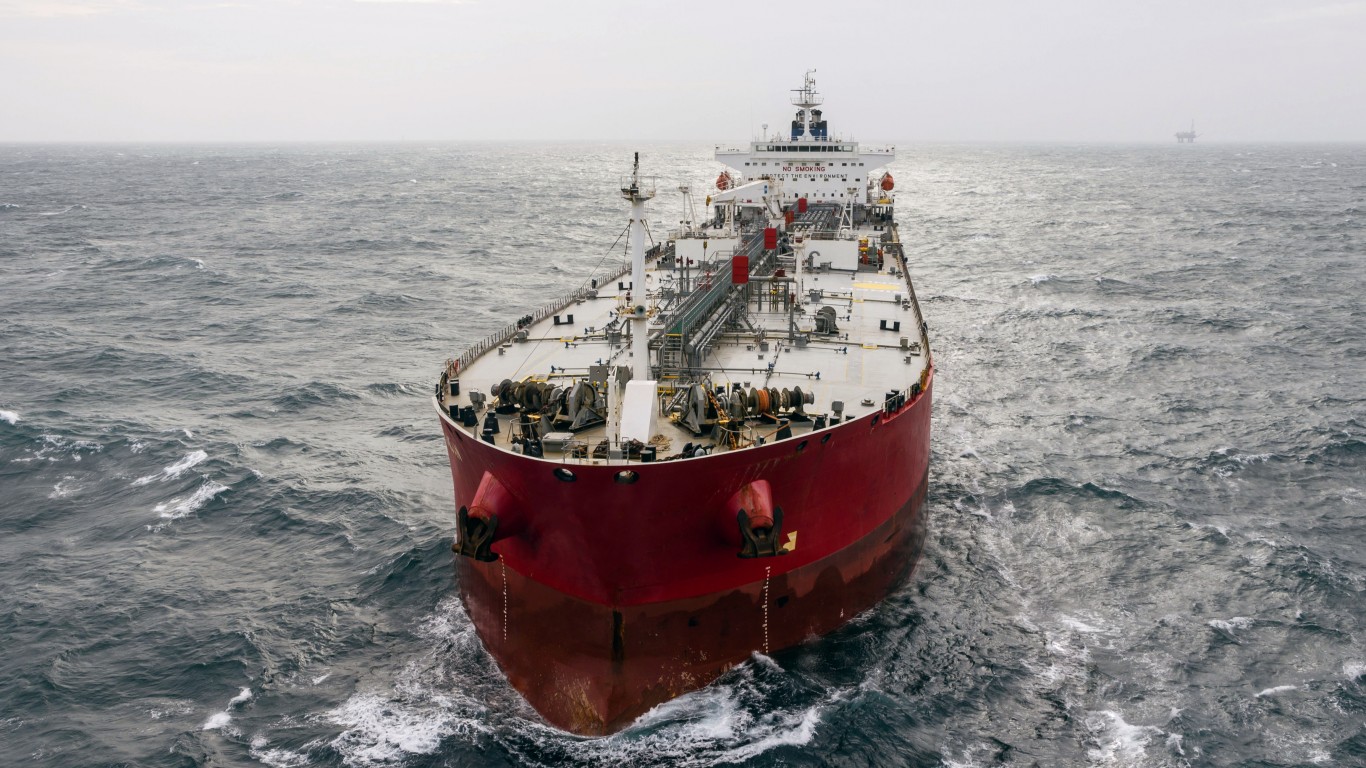
The Strait of Hormuz funnels roughly 21 million barrels of oil daily — about 20% of global supply. On Wednesday, Iran’s Oil, Gas and Petrochemical Products Exporters’ Union confirmed a new transit fee for laden tankers: $1 per barrel, paid in Bitcoin, Chinese yuan, or stablecoins such as USDT (CRYPTO:USDT)
Here’s exactly how it works. Tanker operators email Iranian authorities with cargo details, crew lists, and destination up to 96 hours ahead. Officials quote the toll — typically $1 per barrel — and give crews seconds to transfer the exact amount in Bitcoin (or yuan or USDT) to an Iran-controlled wallet. When payment is confirmed, the tanker receives a one-time passcode and an Islamic Revolutionary Guard Corps escort through the strait. Empty tankers pass free. A fully loaded very large crude carrier hauling 2 million barrels faces a $2 million bill.
Hamid Hosseini, the union’s spokesperson, told the Financial Times the system formalizes control during the current two-week U.S.-Iran ceasefire while sidestepping sanctions. Iran’s parliament passed the Strait of Hormuz Management Plan on March 30 to lock this in.
The Demand Math That Has Traders Buzzing
Simply put, this isn’t symbolic — it’s structural demand. At 21 million barrels per day and $1 per barrel, the toll could generate $21 million in daily crypto inflows, or north of $7.6 billion annually, according to Bitcoin Magazine’s analysis. Not every payment lands in Bitcoin — some use yuan routed through Chinese banks or USDT — but Iranian state media explicitly names Bitcoin as an option, and shipping sources confirm crypto settlements already occur.
Bitcoin reacted immediately. Within minutes of the Financial Times report, the crypto rose 5% and briefly topped $72,700 before settling near today’s $72,292. That surge outpaced Ethereum’s 8% gain and Solana’s 7% move the same session. For context, daily Bitcoin trading volume often exceeds $30 billion; $21 million in new, recurring buy pressure from oil majors represents a measurable tailwind — especially if the toll sticks beyond the ceasefire.
Granted, this echoes smaller experiments like El Salvador’s Bitcoin legal tender law, but on a vastly larger scale. Here, a sovereign power ties a critical energy chokepoint directly to crypto wallets. That real-world use case could draw institutional players who dismissed Bitcoin as speculative.
The Risks Investors Must Face Head-On
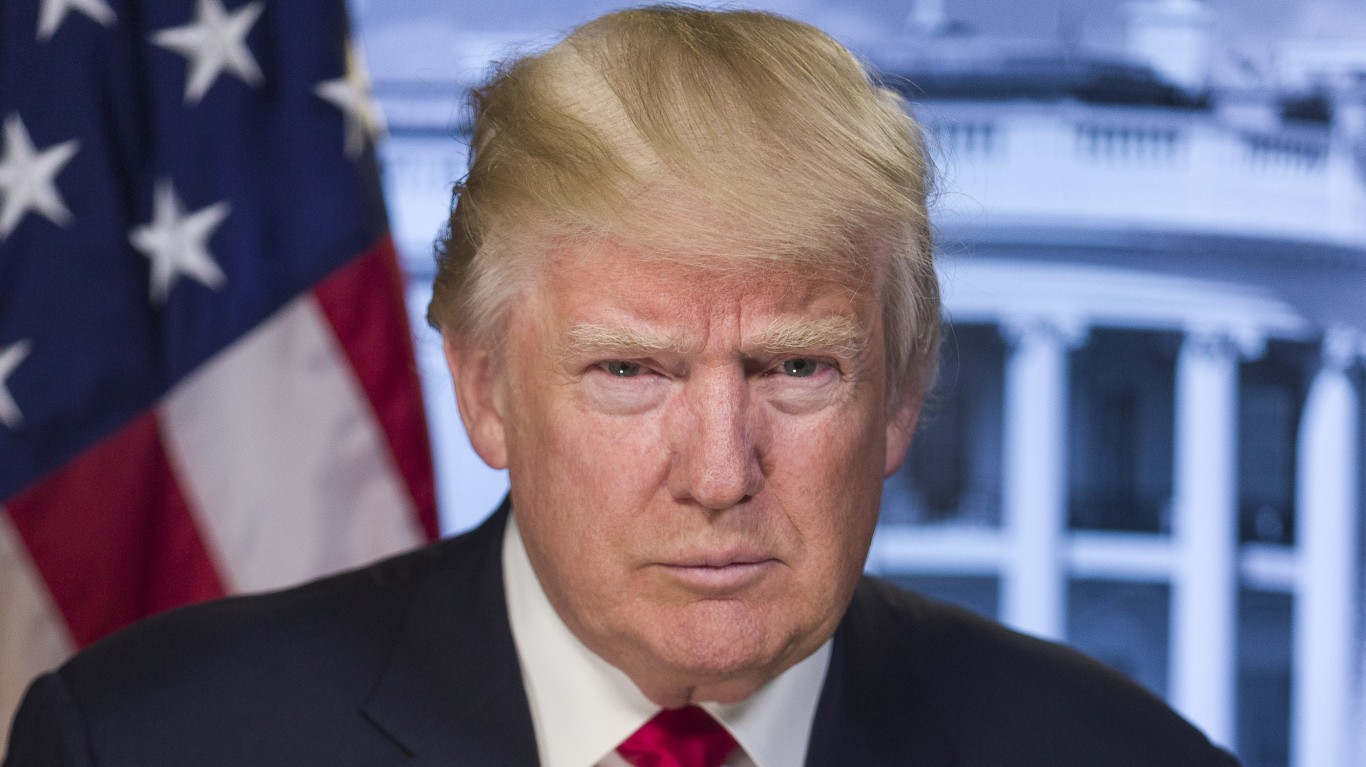
That said, geopolitics rarely delivers straight-line gains. The ceasefire lasts just two weeks, and U.S. officials have already warned against testing it. President Trump declared on Truth Social that “Iran is doing a very poor job” and “this is not the agreement we have!” Bombing Iran “to the Stone Ages” could occur at any moment. Enforcement relies on IRGC patrols; non-compliant ships risk targeting, yet friendly nations get discounted rates under a five-tier system.
Not every toll clears in Bitcoin — yuan and USDT often dominate for speed and lower fees. Plus, the entire setup aims to evade U.S. sanctions, which could trigger fresh crackdowns or frozen wallets.
Bitcoin itself dropped from its peak to current levels near $72,000 amid broader market retracement. Volatility remains high. A single tweet, diplomatic flare-up, or failed payment window could erase gains overnight.
In any case, this move proves nations increasingly view crypto as a sanctions-resistant rail. It won’t single-handedly drive Bitcoin to $100,000, but it adds tangible, recurring demand at a time when supply growth slows via halvings.
Key Takeaways
Iran’s $1-per-barrel crypto toll on the Strait of Hormuz creates up to $21 million in daily potential Bitcoin demand from one of the world’s busiest oil routes. The mechanism — email quote, seconds-to-pay wallet transfer — already operates and ties directly to 21 million barrels daily. Bitcoin jumped 5% on the news to test $72,700.
Smart investors see this as validation of Bitcoin’s utility, not a guaranteed moonshot. The ceasefire could unravel quickly at any moment, so watching actual payment flows over the next 30 days — or the U.S.’s response to the toll booth Iran erected — is critical.
If the system holds, it adds credible long-term buying pressure. Now is not the moment to buy big; instead, keep any position size modest — geopolitics shifts fast. Yet, regardless of how you look at it, this is the clearest sign yet that Bitcoin is moving from a store-of-value case to a key settlement rail.
Contact [email protected] for any questions or corrections.
After two decades of patrolling the dark corners of suburbia as a police officer, Rich Duprey hung up his badge and gun to begin writing full time about stocks and investing. For the past 20 years, he’s been cruising the markets looking for companies to lock up as long-term holdings in a portfolio while writing extensively on the broad sectors of consumer goods, technology, and industrials. Because his experience isn’t from the typical financial analyst track, Rich is able to break down complex topics into understandable and useful action points for the average investor. His writings have appeared on The Motley Fool, InvestorPlace, Yahoo! Finance, Money Morning, and, of course, 24/7 Wall St. He has been featured in both U.S. and international publications, including MarketWatch, Financial Times, Forbes, Fast Company, and USA Today.