Former National Security Advisor Calls Iran’s $40 Billion Hormuz Toll Threat a “Blackmail Scheme” Against the Free Flow of Energy
Former deputy national security advisor Victoria Coates used a July 2 appearance on Fox Business’s Kudlow, guest-hosted by David Asman, to frame Iran’s proposed toll on tanker traffic transiting the Strait of Hormuz as maritime extortion rather than a legitimate…

Former deputy national security advisor Victoria Coates used a July 2 appearance on Fox Business’s Kudlow, guest-hosted by David Asman, to frame Iran’s proposed toll on tanker traffic transiting the Strait of Hormuz as maritime extortion rather than a legitimate revenue policy. Her core argument is that the Strait’s reopening has already delivered real economic relief, and any attempt by Tehran to monetize passage would collapse under pressure from Washington and Gulf capitals alike.
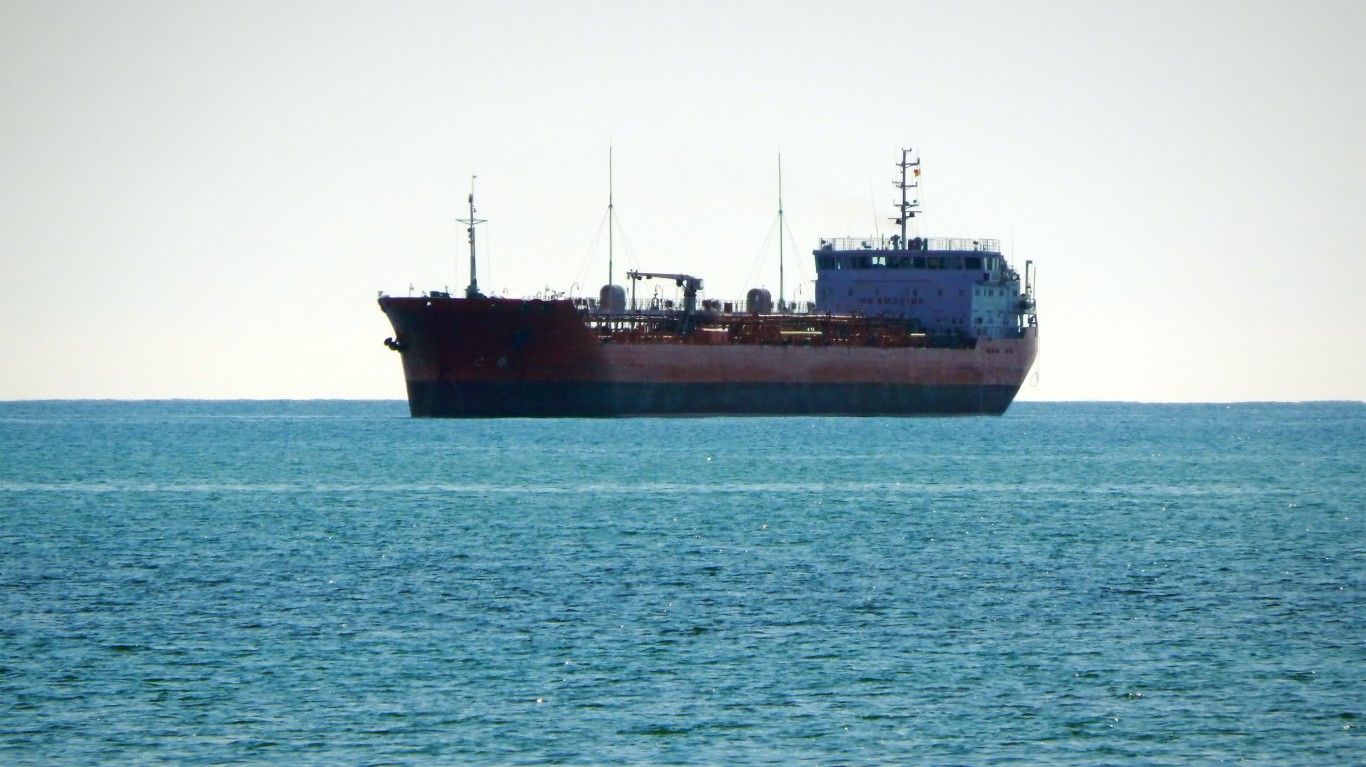
“121 ships have crossed the Strait of Hormuz since Monday. That’s great news. And we’re seeing gas prices come down. This is a great day,” Coates said, pointing to the jump in tanker traffic since the waterway resumed normal operations.
She then turned to Iran’s claim that it could extract a $40 billion windfall from tolls and oil sales: “This is totally different. This is Iran essentially putting together a blackmail scheme against the free flow of energy out of the Gulf, and I don’t think you’re going to see Saudi Arabia, Kuwait, UAE, Qatar, Bahrain stand for this, and they shouldn’t.”
Falling Gas Prices Signal Immediate Relief From Strait Reopening
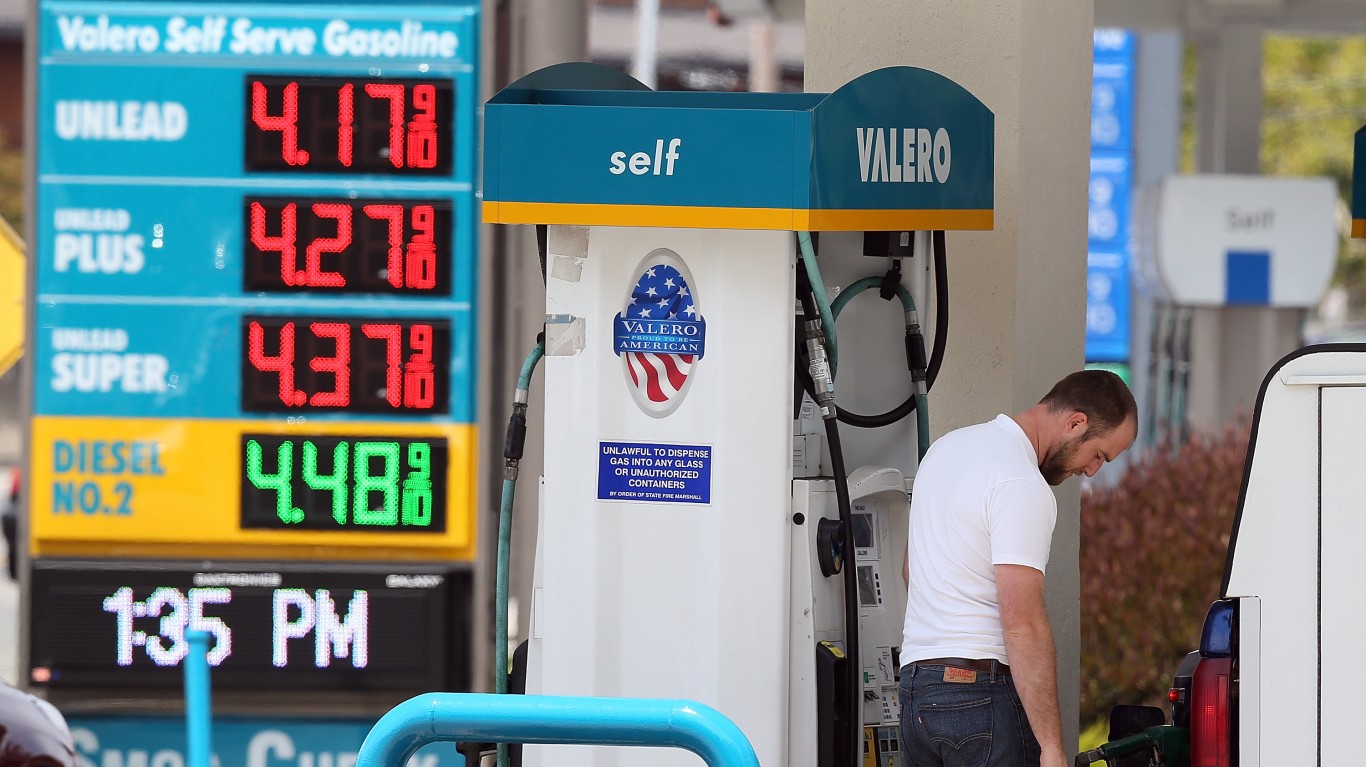
U.S. regular gasoline averaged $3.83 per gallon as of June 29, 2026, down from a peak of $4.50 per gallon on May 11. That is a 14.4% monthly decline, and the sixth consecutive weekly drop.
Crude has moved even more sharply. WTI settled at $71.87 per barrel on June 29, a 21.2% monthly decline from levels near $91 in mid-June. Brent has followed the same path, closing at $71.59 on June 29, well below the $138.21 peak reached on April 7 during the height of the closure.
The EIA’s May Short-Term Energy Outlook captures how disruptive the closure was, noting that the Strait had been “effectively closed to shipping traffic” since military action began on February 28, choking off a chokepoint through which nearly 20% of global oil supply flowed. April Brent averaged $117 per barrel, the highest monthly print since June 2022.
Legal And Geographic Realities Undercut Iran’s Toll Ambitions
Coates drew a sharp legal distinction between the Strait of Hormuz and other maritime chokepoints. The Panama and Suez Canals require ongoing investment and maintenance that justify tolls. The Strait of Hormuz is international water. Iran does not build, dredge, or maintain the shipping lanes, which sit largely within Omani territorial waters on the western side.
Oman sits on the western side of the Strait and could benefit from U.S.-aligned ports, giving Washington and its Gulf partners an alternative pressure point if Tehran attempts to enforce a toll. Asman raised whether Iran could use force to charge for passage on an international waterway, noting that the Trump Administration would not accept any deal allowing it.
The economics work against Iran as well. Saudi Arabia, Kuwait, the UAE, Qatar, and Bahrain all depend on the Strait to move their own crude to Asian buyers. Any tolling regime that raises the delivered cost of Gulf barrels shrinks their market share against non-OPEC producers. The EIA had estimated that Iraq, Saudi Arabia, Kuwait, the UAE, Qatar, and Bahrain collectively shut in 10.5 million barrels per day of crude oil production in April. Those producers have strong incentives to keep the passage open and free.
What Investors Should Watch
For energy investors, the key question is whether the recent decline in oil prices continues or reverses. WTI’s 12-month range of $55.44 to $114.58 shows just how much geopolitical risk has been priced in and out of the market over the past year. If Iran moves forward with its proposed transit toll and Gulf states resist, renewed tensions could push crude prices higher. On the other hand, if the 121 tankers that have already passed through the Strait of Hormuz since Monday becomes the new normal, it would signal that shipping disruptions are easing, strengthening the case for lower refined product prices through the summer driving season.
Contact [email protected] for any questions or corrections.
Thomas Richmond is a financial writer and content strategist with 5+ years of experience covering stocks and financial markets. He has published over 500 articles focused on individual stock analysis, helping investors better understand business fundamentals, stock valuations, and long-term opportunities.
Thomas previously served as a Content Lead at TIKR, a stock research platform, where he helped scale the company’s blog to hundreds of articles per month and contributed to a weekly newsletter reaching more than 100,000 investors.
Outside of work, Thomas enjoys weight lifting and soccer.