Broadcom Sneezed and COPJ Investors Lost 11% In A Day And Learned That Copper’s AI Story Has a Pause Button
If you owned Sprott Junior Copper Miners ETF (NASDAQ:COPJ) on Friday morning, you watched it open near $45.37 and close at $40.37, an 11% single-day tumble on June 5, 2026. A $10,000 stake at Thursday’s close became roughly $8,900 by…

This post may contain links from our sponsors and affiliates, and Flywheel Publishing may receive compensation for actions taken through them.

If you owned Sprott Junior Copper Miners ETF (NASDAQ:COPJ) on Friday morning, you watched it open near $45.37 and close at $40.37, an 11% single-day tumble on June 5, 2026. A $10,000 stake at Thursday’s close became roughly $8,900 by Friday’s bell. For a fund that returned 93% over the prior twelve months, this was the kind of day that gets your attention without quite gutting the position. Year to date, COPJ is still up 3%. Over the past week, it has shed 9%. The trend reversed fast, and the reason is more interesting than “copper went down.”
The week delivered a two-step macro punch. On Wednesday, Broadcom (NASDAQ:AVGO | AVGO Price Prediction) guided Q3 AI semiconductor revenue light, raising questions about hyperscaler capex pacing, and the stock fell 13% to 15% on Thursday. Two days later, the May payrolls report came in at 172,000 versus the 80,000 expected, reviving rate-hike fears and pushing the 2-year Treasury yield to 4.16%, a 16-month high. The 10-year sits at 4.47%, near the upper end of its 12-month range. Both headlines are, in their own way, about copper.
Why Juniors Move Like Options on the Underlying
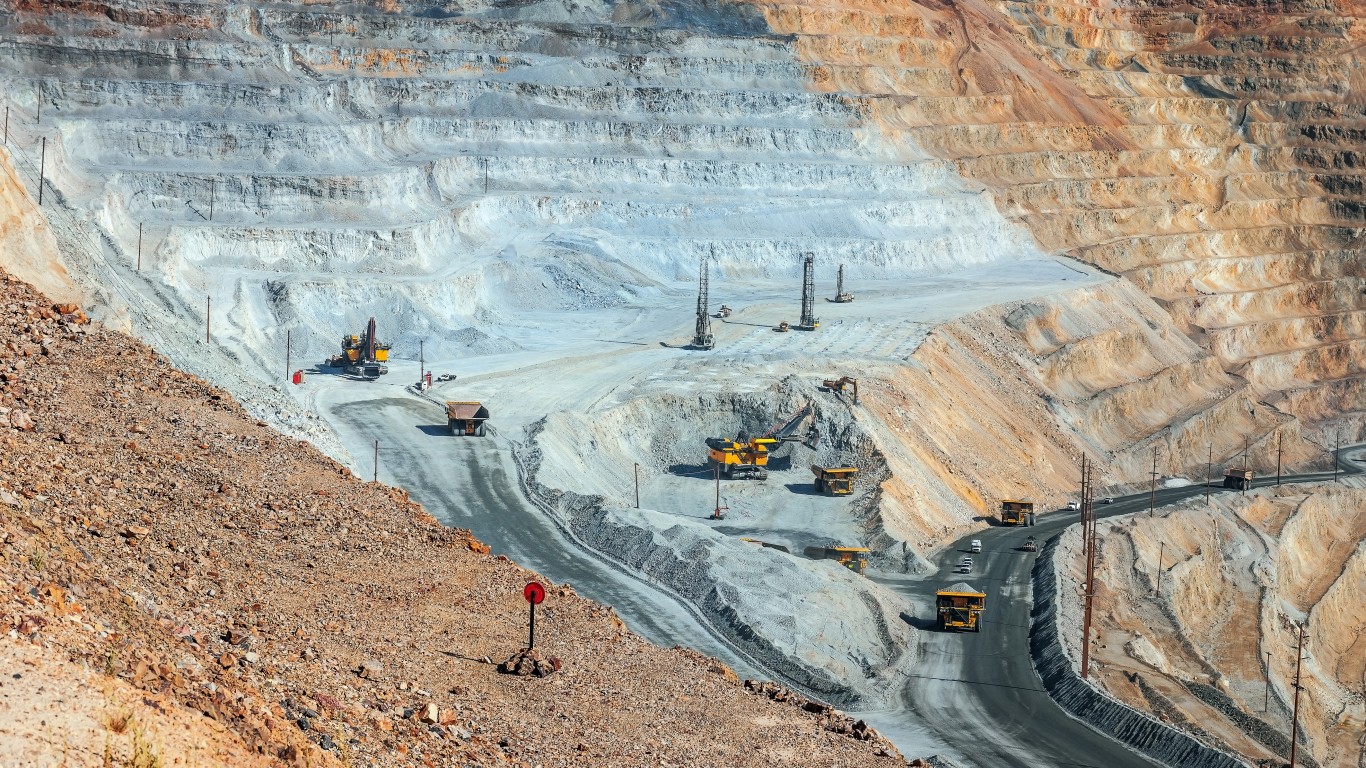
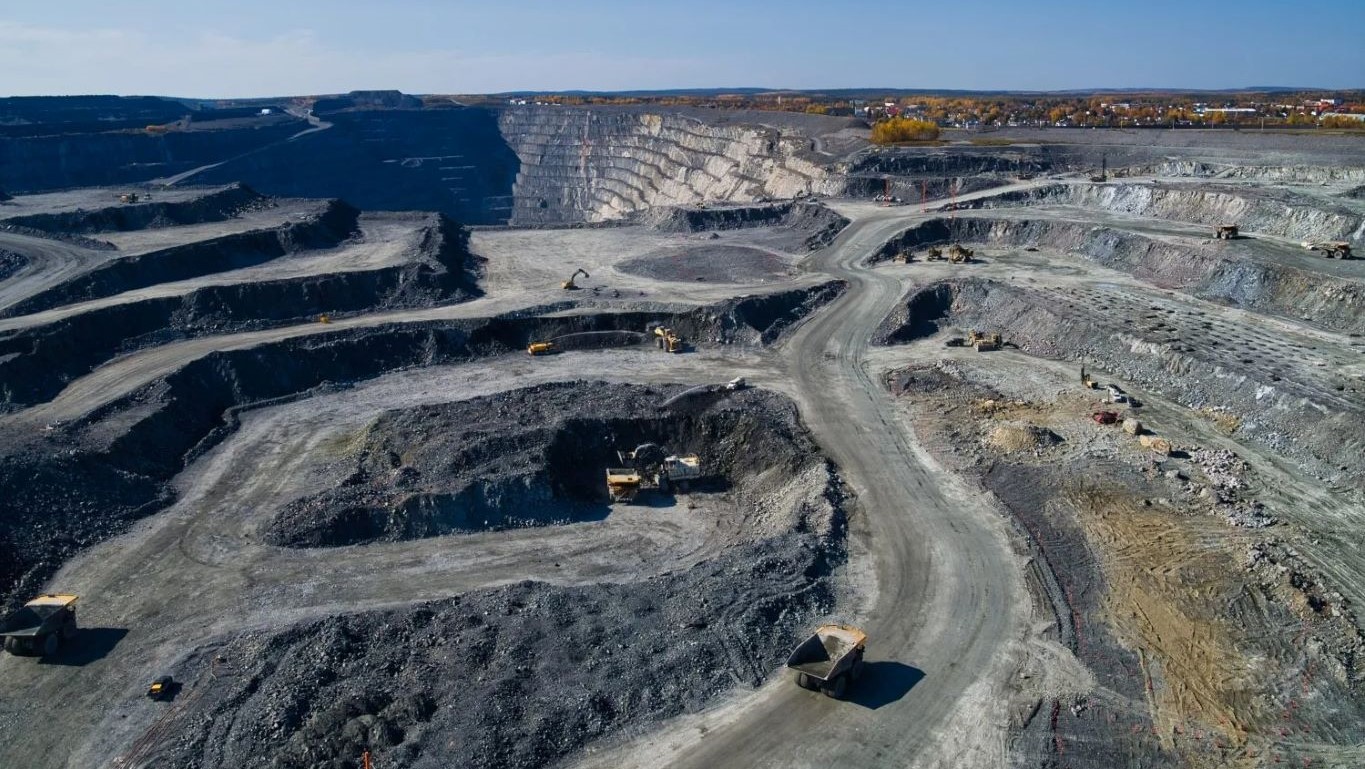
COPJ tracks the Nasdaq Sprott Junior Copper Miners Index, holding 50 copper miners on an equal-weighted basis, with at least 80% of assets in companies deriving revenue from copper mining, exploration, development, and production. The fund is 100% concentrated in metals and mining across Australia, Canada, and the United States, and it is not leveraged. The leverage comes built into the businesses, not the wrapper.
Junior miners are the small and mid-cap names earlier in the development curve, often with one or two projects, modest cash flow, and balance sheets that need to tap capital markets to fund the next stage. That structure means a move in copper gets amplified by 2x to 3x in equity terms. When copper sells off on a risk-off Friday, the producers with positive free cash flow take a glancing blow. The juniors, whose net present value is mostly future ounces, take the hit on both the commodity price and the discount rate. Friday delivered both at once. Treasury yields drifted up on the payrolls beat, and copper itself softened on the same risk-off impulse that pulled the S&P lower.
The AI Capex Wobble That Mattered Most
The copper story over the past two years has had two engines. One is the old engine, electrification and electric vehicles. The other is newer and louder, hyperscaler grid buildout for AI data centers. A 2024 Lawrence Berkeley National Laboratory report estimated data center energy consumption rose from 1.9% of total U.S. electricity in 2018 to 4.4% in 2023, with projections of 6.7% to 12% by 2028. Copper goes into the substations, the transformers, the transmission upgrades, and the racks themselves. JPMorgan has projected average copper prices of $12,075 per metric ton through 2026, and bull-case scenarios from analysts cited in earlier coverage put copper at $15,000 to $18,000 per ton on sustained AI data center and electrification demand.
That second engine is what Broadcom’s Q3 guidance poked at. If the largest AI silicon supplier outside NVIDIA (NASDAQ:NVDA) is saying hyperscaler order pacing looks softer in the near term, the market has to ask whether the gigawatt-scale data center buildout schedule slips. The copper-for-data-centers thesis does not break on one guidance, but the marginal buyer of COPJ at $45 was paying for the thesis to keep accelerating, not pause. When the pause shows up, the marginal buyer reprices first. Juniors, being the highest-beta expression of the trade, reprice the most.
The Macro Tape Was Not Helping Either
The other Friday catalyst was the rate picture. A hot payrolls number is unambiguously bad for capital-intensive businesses that need to issue debt or equity at reasonable terms. The 10-year peaked at 4.67% on May 19 and has drifted between there and 4.45% since, sitting in the 93rd percentile of its 12-month range. The 10Y-2Y spread compressed to 0.38% on June 5, the lowest point in the past year, down from 0.74% in February. A flattening curve at elevated absolute yields is the worst possible combination for a junior miner trying to refinance a credit facility or run a secondary offering to fund next year’s drill program.
And yet the broader market is not panicking. The VIX closed at 15.40 on June 4, in the 15.6th percentile of its 12-month range, down from a March 27 peak of 31.05. That tells you Friday’s selloff in COPJ is sector-specific rather than a generalized risk-off where everything correlates to one. The S&P did not break. The fear gauge is asleep. Copper juniors got the worst of a narrow tape because the AI capex narrative and the rate narrative both ran through them on the same day.
What You Watch From Here
The forward look on COPJ hinges on three observable inputs, and none of them require a chart. Watch Codelco production guidance updates out of Chile, because the structural supply story is the floor under copper prices and any further downgrades from the world’s largest producer tighten the deficit math. Watch Chinese monthly copper imports, which are the cleanest real-time read on physical demand and tend to move ahead of price by a few weeks. And watch hyperscaler capex commentary on data center grid buildout, particularly anything that confirms or refutes the Broadcom signal. If the next round of mega-cap earnings reaffirms the buildout schedule, Friday looks like a flush. If two more hyperscalers echo what Broadcom said, the AI leg of the copper thesis gets repriced for real, and juniors will be the first to feel it.
The structural deficit story has not changed. BloombergNEF and others have called for a copper structural shortage tied to the energy transition, and supply still has to contend with community opposition and slow ramp-up times for new Chilean projects. What changed on Friday is the demand-side certainty premium that had been embedded in junior miner equities. A fund that holds 50 equal-weighted exploration and development names at a 0.75% expense ratio is, by construction, a leveraged bet on that premium staying intact. When it wobbles, the wrapper has nowhere to hide.
The one thing to remember is that the 11% day is the cost of admission for the kind of exposure COPJ delivers. The same operational and balance-sheet leverage that produced a 93% one-year return is what produces a Friday like this. If the AI capex narrative comes back, juniors will lead the recovery. If it does not, they will lead the drawdown. The indicator that tips the balance is whatever the next hyperscaler says about how many gigawatts they still plan to build.
Contact [email protected] for any questions or corrections.
Austin Smith is a financial publisher with over two decades of experience as an investor, analyst, and advisor. He covers stocks, ETFs, Artificial intelligence and personal finance for 24/7 Wall St. Previously, he spent over a decade at The Motley Fool as a senior editor for Fool.com, portfolio advisor for Millionacres, and launched The Ascent to help reader take control of their personal finances.
His work has been featured on Fool.com, NPR, CNBC, USA Today, Yahoo Finance, MSN, AOL, Marketwatch, and many other publications. He is as an advisor to private companies, and co-hosts The AI Investor Podcast with Eric Bleeker.
When not looking for investment opportunities, he can be found skiing, running, or playing soccer with his children. Learn more about Austin's investment approach here.