XRP News: Coinbase Just Put XRP on the Same Footing as Bitcoin, Ethereum, and Gold
Institutions have been dipping into XRP (CRYPTO: XRP), but they’re not committing huge capital yet. A Coinbase survey last month showed that 18% of big funds already hold XRP and 25% plan to add exposure this year, but 65% are…

This post may contain links from our sponsors and affiliates, and Flywheel Publishing may receive compensation for actions taken through them.

Institutions have been dipping into XRP (CRYPTO: XRP), but they’re not committing huge capital yet. A Coinbase survey last month showed that 18% of big funds already hold XRP and 25% plan to add exposure this year, but 65% are still waiting on regulatory clarity before going bigger. While the wait continues, the infrastructure those institutions need to actually commit capital is being built in the background.
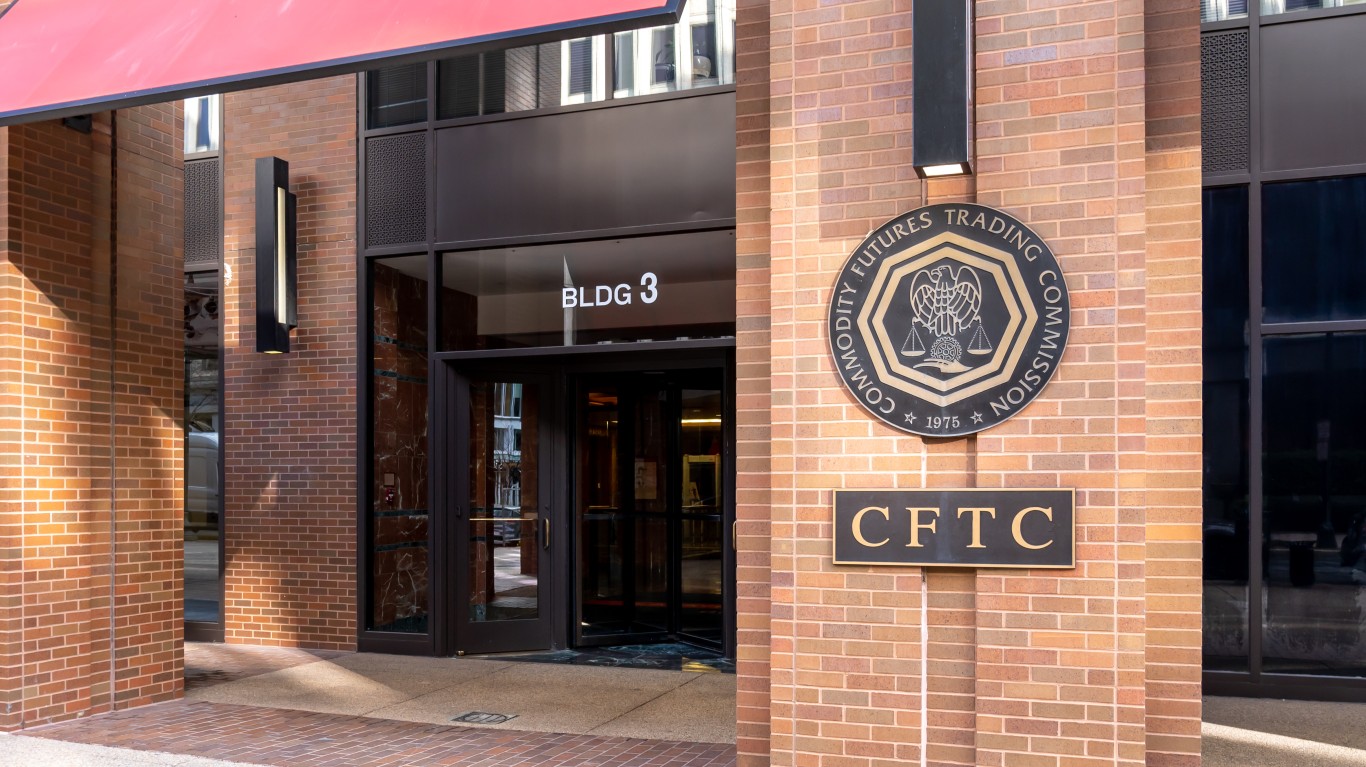
Coinbase filed with the CFTC on April 21 to roll out Trade at Settlement for XRP futures starting May 1. The same tool is already live on Coinbase for Bitcoin, Ethereum, gold, and crude oil—and now XRP joins that list. It’s not flashy, but this is how the institutional on-ramp actually gets built.
What Coinbase Just Announced for XRP Futures on May 1
Say you’re a pension fund manager trying to buy $50 million worth of XRP futures in a single day. If you put that order straight into the market and prices move against you as your order fills—by the time it’s done, you’ve paid more than when you started. That cost adds up quickly for a large fund, and it’s one of the main reasons crypto has felt harder to trade than gold or oil.
So this is where Trade at Settlement (TAS) comes in. The filing covers both nano XRP and full-sized XRP futures contracts on Coinbase Derivatives. With TAS, institutions can execute large block orders at the day’s official 4:00 p.m. ET settlement price instead of fighting live intraday prices.
TAS has been standard in traditional commodity markets for decades. It exists because large traders can’t move size in a live market without pushing the price against themselves. However, until now, XRP futures on Coinbase didn’t have it. Starting May 1, a pension fund, hedge fund, or asset manager can execute real XRP positions at the closing price on a regulated U.S. venue.
Why XRP Is Now Treated Like Bitcoin, Ethereum, and Gold on Coinbase
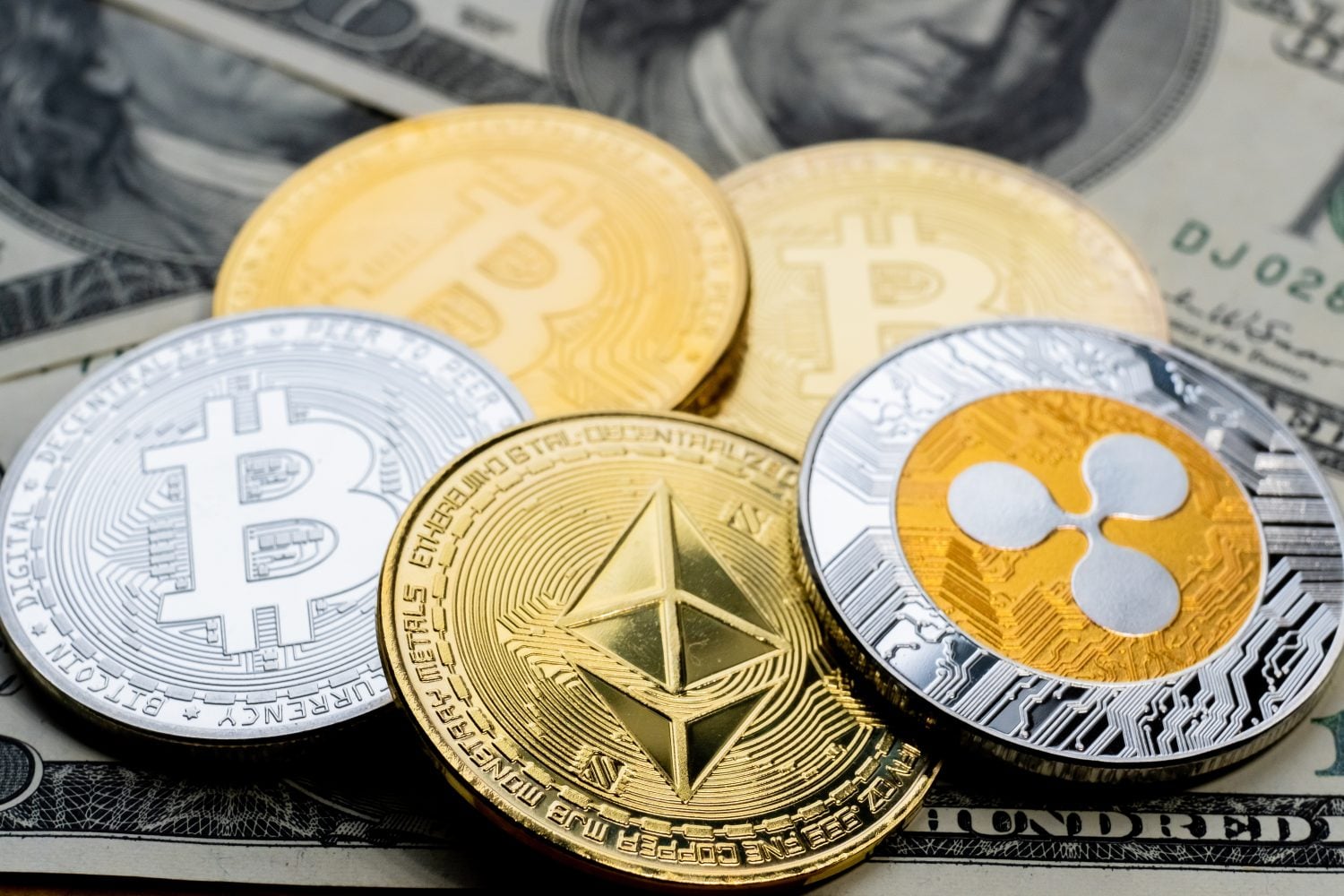
On Coinbase Derivatives, TAS has been live for Bitcoin, Ethereum, gold, and crude oil for years. They’re all regulated commodities under U.S. federal law, and that’s the club XRP just joined on Coinbase. Three months ago, this wasn’t possible.
The unlock came on March 17, when the SEC and CFTC jointly classified XRP as a digital commodity alongside Bitcoin, Ethereum, Solana, and 12 other major cryptocurrencies. The ruling is binding federal law, not staff guidance that can be reinterpreted under a future administration.
Before March 17, XRP’s legal status was ambiguous enough that Coinbase couldn’t cleanly bundle it into the same TAS framework that governed Bitcoin and gold. However, now that XRP is in the same regulatory category as those other commodities, Coinbase can apply the same execution tools to it.
So what does “same footing” actually mean? It means Coinbase treats a $50 million XRP futures trade the same way it treats a $50 million Bitcoin or gold trade—same CFTC oversight, same block trade rules under the Commodity Exchange Act. For an asset that spent five years under an active SEC lawsuit, that’s a real win—even if the XRP price barely moved when the ruling dropped.
Why Institutions Have One Less Reason to Skip XRP

TAS on Coinbase won’t move the XRP price on day one. However, it removes one more reason institutions have given for staying out at size. Large funds trying to execute meaningful XRP positions through a regulated U.S. venue had been stuck with execution costs that traditional commodity markets solved decades ago. But Starting May 1, they won’t be.
So what does this look like in the bigger picture? XRP ETFs have pulled in $1.28 billion in cumulative inflows since launching in November 2025. After a single negative month in March, April is already tracking to be the strongest month of 2026 with $75 million in inflows so far. So, the Coinbase upgrade is arriving right as the inflows pick up steam.
Ripple CEO Brad Garlinghouse joined the CFTC’s Innovation Advisory Committee in February, giving Ripple a direct seat at the table where derivatives policy gets shaped. The same agency overseeing XRP’s new TAS framework now has Ripple’s CEO advising it. Pile that on top of the March commodity ruling and the ETF track record, and the “XRP is too retail for institutions” argument is getting harder to make. The remaining question now is if they actually show up..
Why XRP’s Institutional Pipeline Keeps Building
TAS on May 1 is the final piece of XRP’s institutional execution pathway on Coinbase. In March, Ripple Prime added Coinbase’s XRP futures to its $3 trillion clearing platform, so institutional clients can already route XRP trades through Ripple to Coinbase Derivatives.
Adding TAS closes the last execution gap in that pipeline. If you want to know whether infrastructure actually turns into demand, keep an eye on the nano and full-sized XRP futures volume on Coinbase after May 1—sustained block trade flows through TAS would be the real proof.
However, TAS alone doesn’t finish the job. The CLARITY Act is what makes XRP’s current commodity classification permanent under federal statute. The Senate Banking Committee needs to mark up the bill by the end of May for it to have a real shot at passing this year. Once it does, the capital that’s been waiting on regulatory certainty will finally get the green light.
Contact [email protected] for any questions or corrections.
Sam Daodu is a crypto analyst and the editor of 24/7 Wall St.'s Crypto Desk, where he covers Bitcoin, XRP, Ethereum, Solana and the altcoins investors search for most. His work focuses on price levels, spot ETF flows, on-chain data and the regulatory decisions that move crypto markets, written so a first-time buyer and a seasoned trader can both use it.
Sam has written about crypto professionally since 2019 and has published more than 2,000 articles. Before joining 24/7 Wall St., he wrote for crypto media outlets and Web3 companies and ghostwrote for crypto founders and token launches. His analysis is syndicated on Yahoo Finance, MSN and AOL and has been cited by other crypto news sites. He also founded MacLabs Marketing, a content and personal branding agency for crypto founders and executives.
When he isn't reading charts, Sam is usually at the gym or watching One Piece, a series he maintains has better tokenomics than most altcoins.