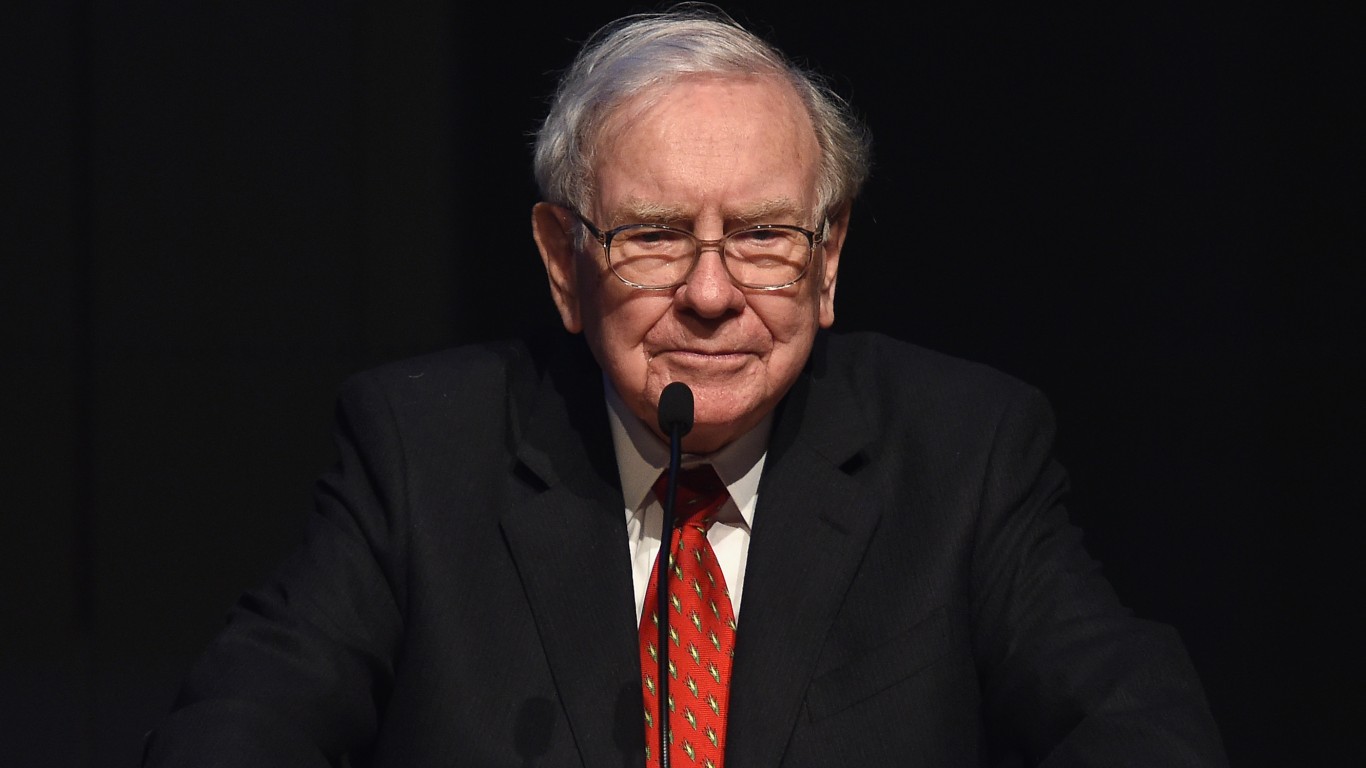
Warren Buffett’s parting gift to investors is crushing the market 6 months later
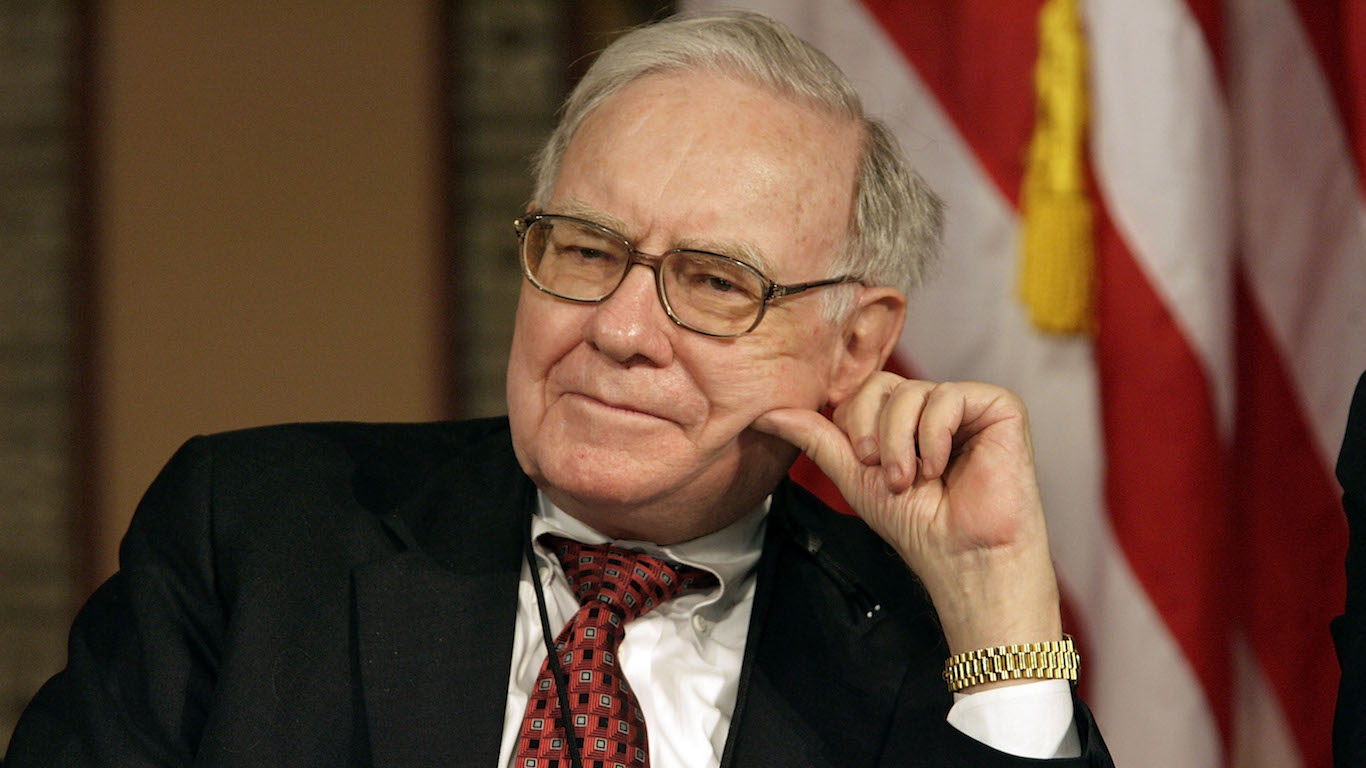
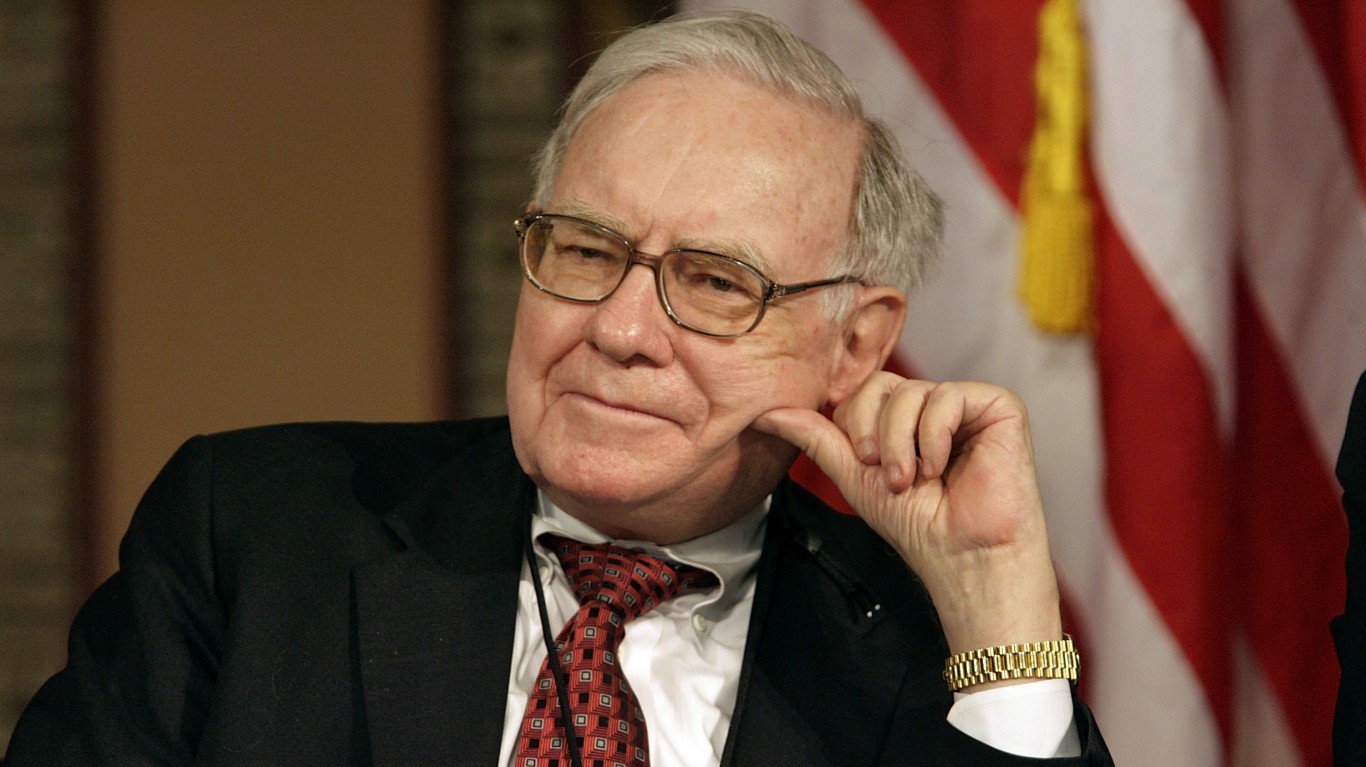
For nearly 60 years, investors have measured themselves against one benchmark: Warren Buffett. Since taking control of Berkshire Hathaway (NYSE:BRK-A)(NYSE:BRK-B) in the mid-1960s, Buffett turned a struggling textile mill into a $1 trillion empire while delivering returns that left the…

For nearly 60 years, investors have measured themselves against one benchmark: Warren Buffett. Since taking control of Berkshire Hathaway (NYSE:BRK-A | BRK-A Price Prediction)(NYSE:BRK-B) in the mid-1960s, Buffett turned a struggling textile mill into a $1 trillion empire while delivering returns that left the broader market in the dust. According to Berkshire’s annual reports, the company generated compounded annual gains of roughly 19.8% from 1965 through 2025, versus about 10.4% annually for the S&P 500.
That difference sounds small until you run the math. A $10,000 investment in Berkshire in 1965 would be worth about $600 million today. The same investment in the S&P 500 would have delivered about $4.5 million — excellent results, but nowhere close to Buffett’s record.
So when Buffett makes a major move, Wall Street pays attention. One of his last tech bets is already rewarding shareholders in a big way. Alphabet (NASDAQ:GOOGL) has roughly doubled from its 52-week low near $162 to trade around $360, with the Berkshire stake now worth well over $6 billion.
Buffett’s Long-Awaited Embrace of Big Tech
For decades, Buffett stayed far away from technology stocks. His reasoning was simple: he preferred businesses he could understand and predict with confidence. Coca-Cola (NYSE:KO), American Express (NYSE:AXP), and See’s Candies fit that mold. Early Silicon Valley did not.
That changed in 2016 when Berkshire began building its now-famous stake in Apple (NASDAQ:AAPL). Buffett later called Apple “probably the best business I know in the world.” At its peak in 2023, Apple represented over half of Berkshire’s entire equity portfolio, with Berkshire holding more than 915 million shares.
Even after sustained trimming over the past two years, Apple still accounted for approximately 22% of the equity portfolio as of Q1 2026. Alphabet entered the picture in Q3 2025, with Berkshire initially disclosing ownership of roughly 17.8 million shares. That initial position, worth approximately $4.3 billion at the time of disclosure in mid-November, has grown substantially since. In Q1 2026, Berkshire added aggressively to the Alphabet position, increasing it by 225% according to its 13F filing.
The “Cloud AI” Inflection Point
Alphabet’s Q1 2026 earnings, released April 29, provided the fundamental fuel for the stock’s surge. While critics once feared AI would erode search margins, Alphabet proved the opposite. Google Cloud revenue jumped 63% year over year to $20.0 billion, marking a historic inflection point where enterprise AI solutions became a primary revenue driver rather than a cost center.
The Cloud backlog tells an equally compelling story: it nearly doubled quarter over quarter to more than $460 billion, with roughly half expected to convert into revenue over the next 24 months. Meanwhile, consolidated operating income rose 30% and operating margins expanded to 36.1%, signaling that the company is scaling its AI infrastructure with meaningful efficiency. Google Cloud’s own operating income reached $6.6 billion in the quarter, with a 32.9% margin. For a value-oriented investor, this kind of moat expansion during a period of technological disruption is exactly what justifies a multi-billion-dollar entry.
Alphabet’s broader ecosystem is accelerating alongside Cloud. Total paid subscriptions reached 350 million in Q1 2026, the company’s strongest quarter ever for consumer AI plans. Waymo surpassed 500,000 fully autonomous rides per week. And Alphabet’s first-party model APIs are now processing 19 billion tokens per minute, a 6x increase year over year.
Buffett’s “Final” Tech Bet and the Successor Strategy
Most Berkshire watchers believe investing lieutenants Todd Combs or Ted Weschler likely initiated the original Alphabet purchase. The transition matters because Buffett officially stepped down as CEO on December 31, 2025. Greg Abel, who had served as Berkshire’s vice chairman of non-insurance operations, took over as President and CEO on January 1, 2026. Buffett remains Chairman of the Board and has said he plans to stay involved, though he has committed to “going quiet” on investment decisions.
The Alphabet position reflects a broader evolution of the Berkshire portfolio under that new leadership. As of Q1 2026, Berkshire is sitting on a record $397.4 billion in cash and short-term Treasury bills. That cash hoard grew from $373 billion at year-end 2025, driven partly by $8.1 billion in net stock sales during the quarter. Despite the record pile, no major acquisition has followed, and Abel told shareholders at the May 2026 annual meeting that he sees a “unique opportunity” for Berkshire’s core businesses without announcing major new deployments.
Alphabet Performance Snapshot (Q1 2026)
| Metric | Performance | Investor Significance |
|---|---|---|
| Total Revenue | $109.9B (+22% YoY) | 11th consecutive quarter of double-digit growth; AI driving acceleration across every segment. |
| Google Cloud Revenue | $20.0B (+63% YoY) | Transitioned from a search adjunct to a core profit engine with a $460B backlog. |
| Operating Margin | 36.1% | Highest in years; reflects AI scale efficiencies across the business. |
| Quarterly Dividend | $0.22/share | A 5% increase; consistent with Buffett’s longstanding preference for capital returns. |
Alphabet’s Business Keeps Delivering
Alphabet’s latest results reinforced why it remains a classic moat-driven business. It still controls roughly 90% of global online search, and AI Overviews are driving query volumes higher rather than cannibalizing ad revenue. Google Search revenue grew 19% year over year in Q1 2026, countering the narrative that generative AI would hollow out the company’s core franchise. YouTube remains the dominant streaming video platform, and Android powers billions of devices worldwide.
Berkshire’s team was never chasing hype. The firm looks for durable competitive advantages and massive cash generation. Alphabet checks every one of those boxes. The Q1 EPS of $5.11 represented 82% year-over-year growth, driven partly by a $37.7 billion net unrealized gain on non-marketable equity securities. Even stripping out that one-time item, the operating business delivered results that few mega-cap companies can match.
Key Takeaway
Alphabet’s $109.9 billion in quarterly revenue, combined with a Cloud backlog that has nearly doubled to over $460 billion, paints a picture of a company at the center of the AI buildout rather than threatened by it. Its valuation remains attractive relative to many faster-growing AI peers that lack the same depth of moat. Whether it was Buffett, Combs, or Weschler who first pulled the trigger on the original purchase, the team spotted a dominant technology platform trading well below its intrinsic value. The subsequent 225% increase in Berkshire’s Alphabet position during Q1 2026 suggests Abel’s team shares that conviction.
Editor’s note: This article was updated to reflect Alphabet’s confirmed Q1 2026 results, including $109.9 billion in total revenue, a Google Cloud backlog of more than $460 billion, and a 225% increase in Berkshire’s Alphabet stake during Q1 2026; Apple’s share of the Berkshire equity portfolio was also corrected to approximately 22%, and the article now notes that Warren Buffett stepped down as CEO on December 31, 2025 while remaining as Chairman.
Contact [email protected] for any questions or corrections.
After two decades of patrolling the dark corners of suburbia as a police officer, Rich Duprey hung up his badge and gun to begin writing full time about stocks and investing. For the past 20 years, he’s been cruising the markets looking for companies to lock up as long-term holdings in a portfolio while writing extensively on the broad sectors of consumer goods, technology, and industrials. Because his experience isn’t from the typical financial analyst track, Rich is able to break down complex topics into understandable and useful action points for the average investor. His writings have appeared on The Motley Fool, InvestorPlace, Yahoo! Finance, Money Morning, and, of course, 24/7 Wall St. He has been featured in both U.S. and international publications, including MarketWatch, Financial Times, Forbes, Fast Company, and USA Today.