For 60 Years Buffett Avoided Big Tech. Greg Abel Just Made an AI Stock a Top-5 Berkshire Holding
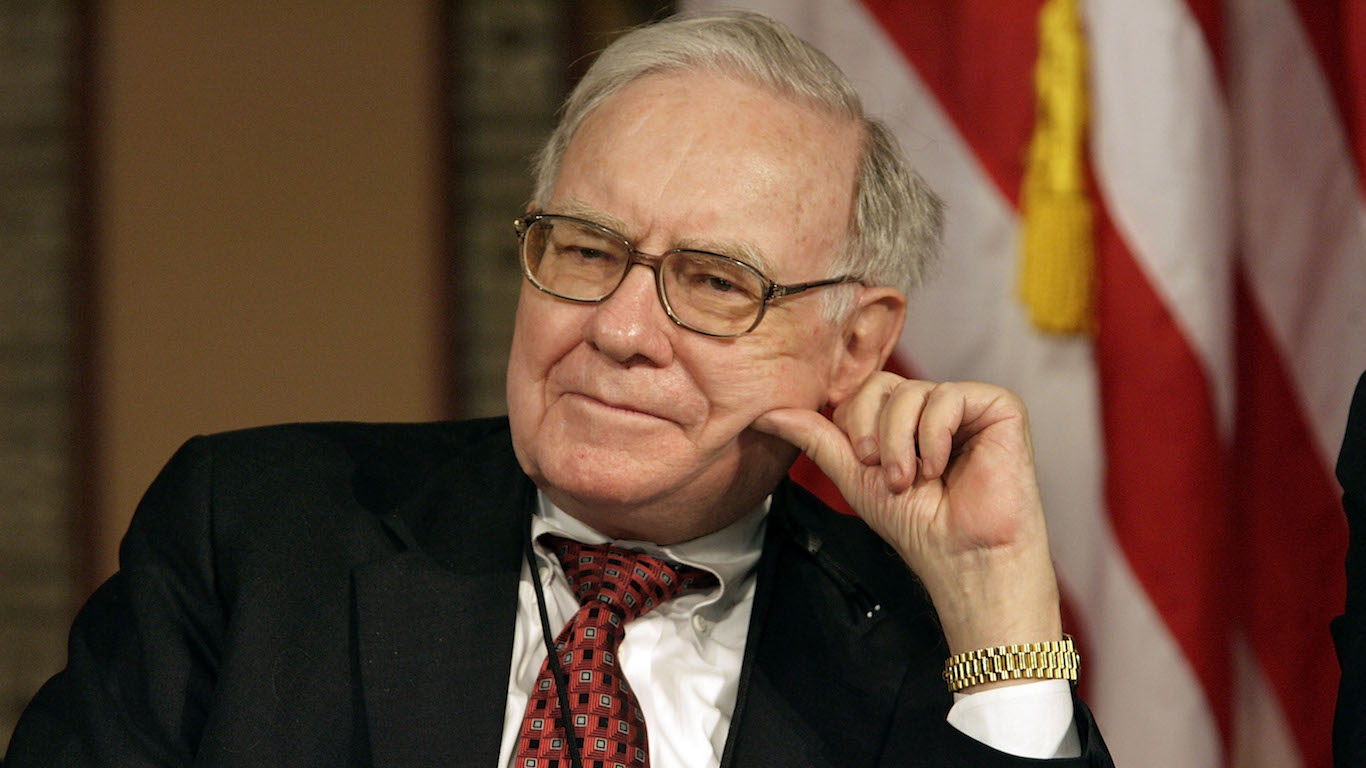
Warren Buffett spent six decades insisting that big technology sat outside his circle of competence. Apple was the celebrated exception, a consumer staples bet dressed in silicon. Everything else, from Microsoft to Amazon to Google, he watched from the sidelines.…

This post may contain links from our sponsors and affiliates, and Flywheel Publishing may receive compensation for actions taken through them.
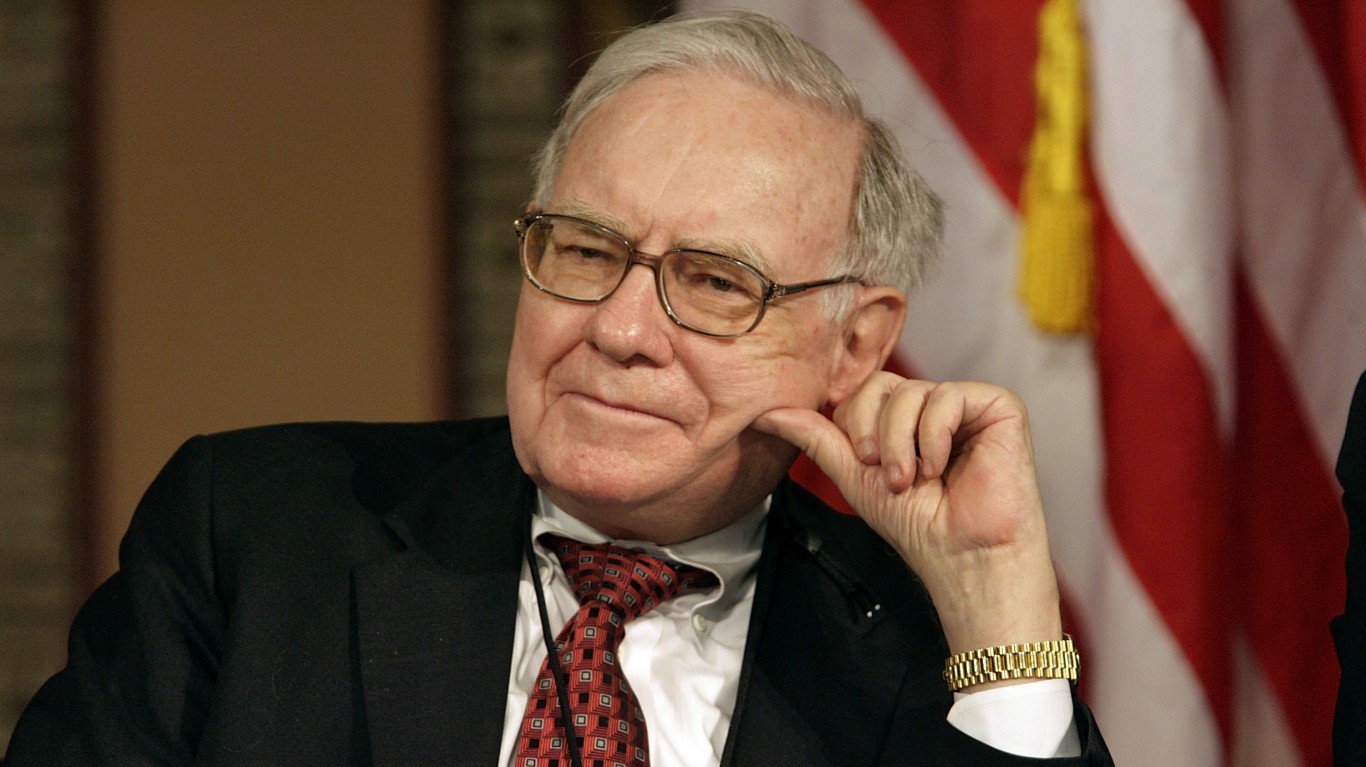
Warren Buffett spent six decades insisting that big technology sat outside his circle of competence. Apple was the celebrated exception, a consumer staples bet dressed in silicon. Everything else, from Microsoft to Amazon to Google, he watched from the sidelines. That posture defined Berkshire’s culture, its risk discipline, and its appeal to retirement-focused shareholders who wanted compounding without the boom-bust cycles of Silicon Valley.
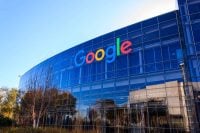
That era has now closed. According to recently reported Q1 2026 13F filings, Berkshire Hathaway under new CEO Greg Abel sold roughly 16 positions and aggressively built a stake in Alphabet that is now reportedly a top-5 holding. The company in question is the parent of Google, an AI-leaning name that Buffett himself once said he regretted not buying years ago. Abel’s first major signature on the portfolio is a philosophical statement as much as a stock pick.
The Stock Abel Chose
Alphabet (NASDAQ:GOOGL | GOOGL Price Prediction) is a cash machine that has quietly transformed into the most credible full-stack AI competitor to Microsoft and NVIDIA. Q1 2026 revenue hit $109.90 billion, up 22% year over year, with EPS of $5.11 against a $2.63 consensus. Google Cloud is the headline. Cloud revenue grew 63% to $20.03 billion, and backlog nearly doubled quarter on quarter to over $460 billion.
CEO Sundar Pichai framed the moment on the earnings call: “2026 is off to a terrific start. Our AI investments and full stack approach are lighting up every part of the business.” The hard data backs the rhetoric. Gemini models are processing more than 16 billion tokens per minute via direct API, up 60% from the prior quarter, and paid subscriptions reached 350 million. The full 8-K is on file with the SEC.

Valuation is the part Buffett would have warmed to. Alphabet trades at a trailing P/E near 17 on this data set, with return on equity around 36% and operating margins above 32%. The stock has rewarded the thesis: GOOGL is up 134% over one year, 24% year to date, and 13% in the last month, last trading near $384.66.
What This Signals for Berkshire
Berkshire Hathaway (NYSE:BRK-B) shares have been quieter than the headlines suggest. BRK-B is down 4% year to date and 6% over the trailing year, even as the five-year return sits at 68%. Insider activity tells a more constructive story. On March 4, 2026, Abel executed 17 separate Class A acquisitions in a price range of roughly $725,000 to $733,000 per share, a methodical signal of personal conviction in the franchise he now leads.
The Alphabet position carries a broader message. Abel is willing to define Berkshire’s circle of competence more widely than Buffett did. That likely means more tolerance for high-quality compounders with growth profiles, including names whose moats are built on engineering rather than brands or balance sheets. Retail investors picked up on it quickly. Reddit sentiment hit very bullish scores of 82 to 87 in the days surrounding the 13F window, with one r/stocks post on Berkshire tripling its stake drawing hundreds of upvotes.
Celebrate or Worry?
Long-term Berkshire holders have two reasonable reactions. The optimistic read: Abel is allocating capital to a business with 36% operating margins and a structural AI tailwind at a reasonable multiple. The cautious read: Alphabet’s 2026 capex guidance of $175 to $185 billion introduces a different risk profile than the insurance float and railroads that built Berkshire.
What matters next is whether Abel treats Alphabet as a one-time exception, the way Buffett treated Apple, or as the template for a new generation of Berkshire bets. Watch the next two 13F cycles. If a second large technology position appears, the regime change is permanent. Buffett’s legacy remains intact either way. The question is what Abel builds on top of it.
Contact [email protected] for any questions or corrections.
Joel South covers large-cap stocks, dividend investing, and major market trends, with a focus on earnings analysis, valuation, and turning complex data into actionable insights for investors.
He brings more than 15 years of experience as an investor and financial journalist, including 12 years at The Motley Fool, where he served as an investment analyst, Bureau Chief, and later led the Fool.com investing news desk. He has also co-hosted an investing podcast and appeared across TV and radio discussing market trends.