U.S. Navy intercepts Iranian cruise missiles — 4 defense stocks to watch today
The U.S. Navy fired interceptors at inbound Iranian cruise missiles in the Strait of Hormuz yesterday morning. Those interceptors were almost certainly built by Raytheon. CENTCOM commander Adm. Brad Cooper said Iran fired cruise missiles at U.S. Navy ships and…


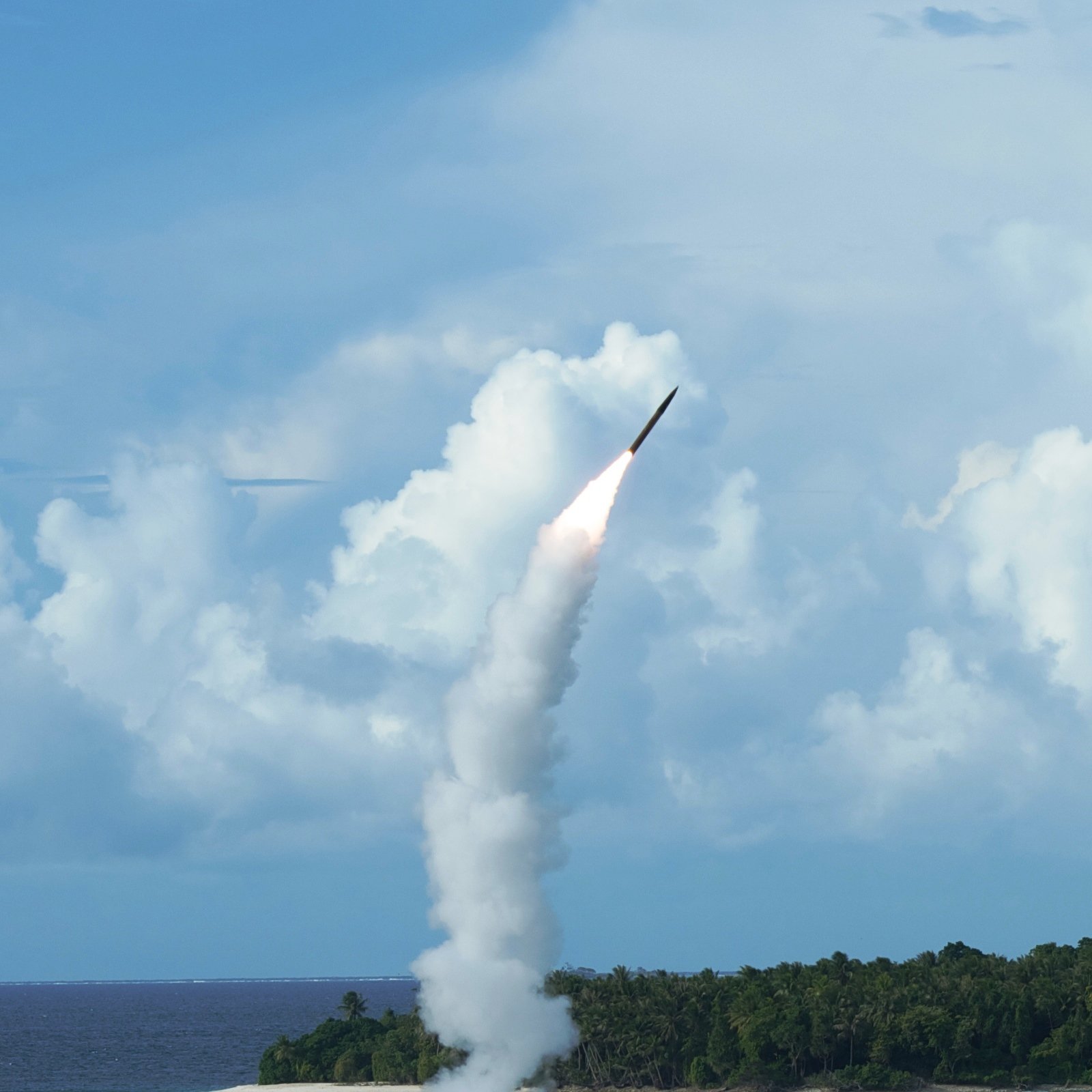
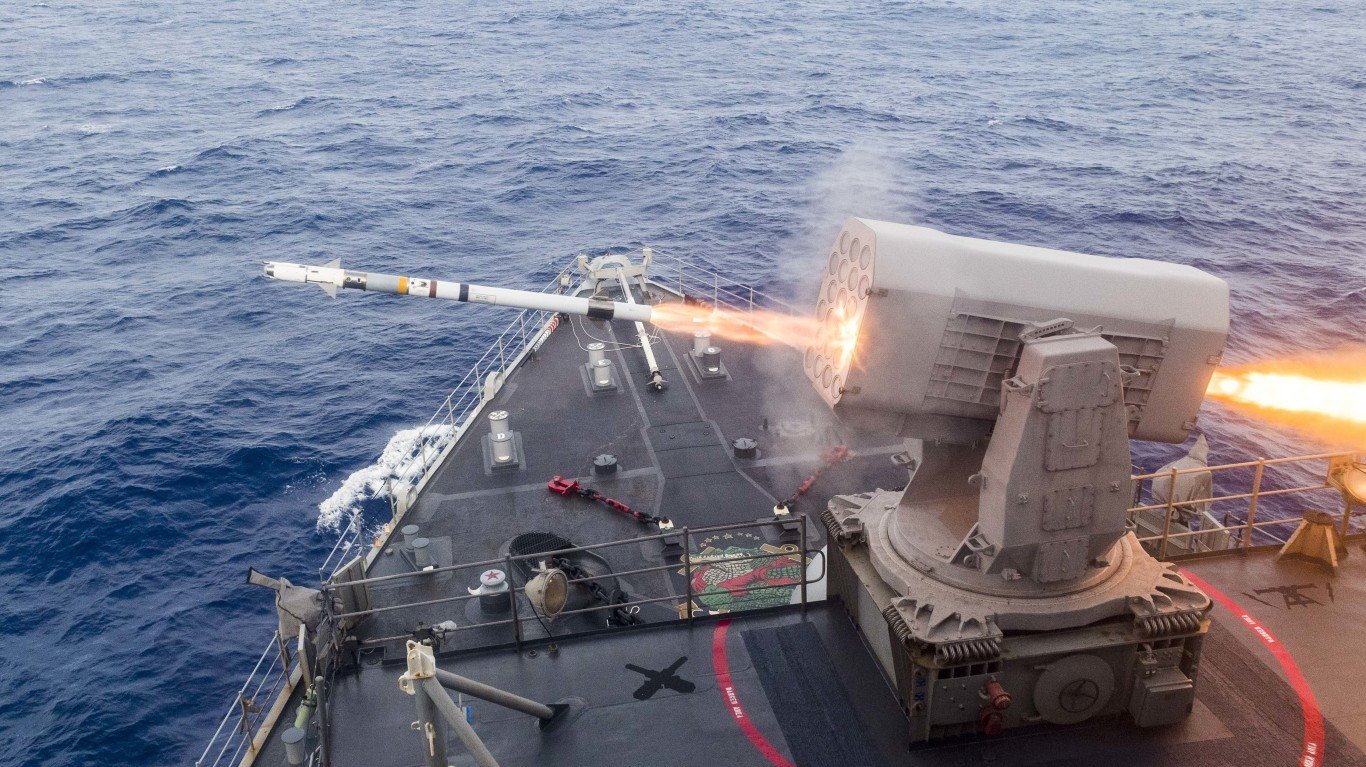
The U.S. Navy fired interceptors at inbound Iranian cruise missiles in the Strait of Hormuz yesterday morning. Those interceptors were almost certainly built by Raytheon. CENTCOM commander Adm. Brad Cooper said Iran fired cruise missiles at U.S. Navy ships and drones at commercial vessels, all of which were engaged with no U.S. Navy or U.S.-flagged ships hit.
U.S. forces destroyed six Iranian small boats. Iran also launched missile and drone attacks on the UAE. Treasury Secretary Scott Bessent told Fox News the U.S. has “absolute control” of the waterway.
Four Companies in the Frame
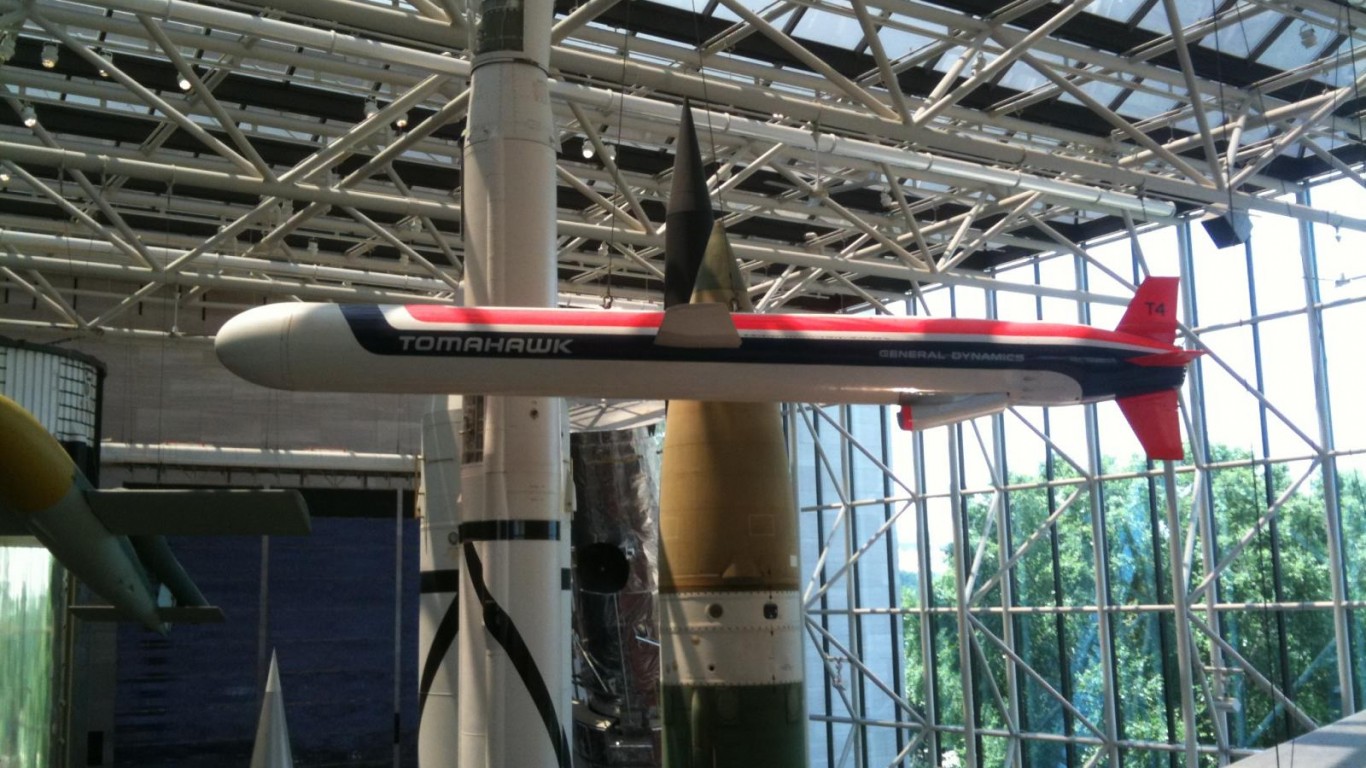
RTX (NYSE:RTX | RTX Price Prediction) is the most direct beneficiary. The Raytheon segment makes the Standard Missile family used by Arleigh Burke destroyers, the Tomahawk land-attack cruise missile, the Evolved SeaSparrow, and the Patriot system that defends Gulf bases. Q1 2026 Raytheon revenue grew 10% to $6.945 billion, with adjusted operating profit up 25% on Patriot and naval munitions demand.
Lockheed Martin (NYSE:LMT) builds the PAC-3 interceptor itself (RTX builds the Patriot launcher and radar), THAAD, and the Aegis combat system that runs the destroyers. Missiles and Fire Control grew 8% in Q1 2026 to $3.649 billion, but $125 million in F-16 charges drove an EPS miss at $6.44 against a $6.70 estimate.
Northrop Grumman (NYSE:NOC) flies MQ-4C Triton and Global Hawk ISR over the Gulf and would be the prime on any strategic escalation involving the B-21 or Sentinel ICBM. The exposure is real but indirect.
General Dynamics (NYSE:GD) builds the Arleigh Burke destroyers themselves at Bath Iron Works. Marine Systems revenue grew 21% to $4.343 billion in Q1 2026. Platform play, long revenue tail, slower to monetize a hot conflict.
How Each Business Is Positioned
| Company | Role in Operation Freedom | Exposure |
|---|---|---|
| RTX | Interceptors and cruise missiles being expended now | Direct, consumable |
| LMT | PAC-3 missile, Aegis software, THAAD | Direct, but mixed with legacy program drag |
| NOC | ISR over the Gulf; strategic deterrence | Indirect |
| GD | Builds the destroyer hulls | Structural, slow-cycle |
The structural point is simple. RTX sells the rounds. When a destroyer fires an SM-6 at an inbound cruise missile, that magazine has to be refilled. Prolonged hostilities translate fairly quickly into munitions replenishment contracts and allied buys, particularly from Gulf states and European partners now under pressure to help de-mine the strait.
What Management Is Saying
RTX CEO Chris Calio: “Given our first quarter performance and the strength we’re seeing in our defense business, we are increasing adjusted sales and EPS in our full year outlook.”
Lockheed Martin CEO Jim Taiclet: “In the first quarter, we signed several framework agreements to accelerate and scale munitions production, including advanced Patriot Missile, THAAD, and PrSM… to increase production rates of these critical systems by 3-4 times current rates.”
Northrop Grumman CEO Kathy Warden: “Northrop Grumman delivered strong first quarter results… underscoring our ability to deliver in today’s unprecedented global demand environment.”
General Dynamics CEO Phebe Novakovic: “Our businesses had a very good start to the year, delivering strong operating results and excellent cash conversion.”
Who Actually Benefits Most
RTX is the cleanest read on this specific operation. The Raytheon segment’s products are being expended in real time, and defense backlog already sits at $109 billion with Q1 2026 free cash flow of $1.309 billion, up 65% year over year. Lockheed has comparable structural exposure through PAC-3 and Aegis, with framework agreements in place to scale missile output, but Q1 execution issues on legacy aircraft programs cloud the near-term picture. Northrop and General Dynamics benefit from the broader defense budget environment without being the names whose magazines are emptying tonight.
The counterweight: a quick de-escalation collapses the thesis. RTX shares closed at $172.90 on May 4, down 11.88% over the past month, suggesting markets had already priced in some geopolitical risk and are now pricing in the cost side too. Forward P/E sits at 25, which is not cheap.
The Bottom Line
If hostilities in the Strait of Hormuz persist, RTX has the most direct line to revenue. Lockheed offers comparable structural exposure through PAC-3 and Aegis. Northrop and General Dynamics participate structurally but on longer cycles. Watch munitions replenishment announcements, allied buy requests from Gulf states, and any UN Security Council action.
Contact [email protected] for any questions or corrections.
Don Lair writes about options income, dividend strategy, and the kind of boring-but-durable investing that actually funds retirement. He's the founder of FITools.com, an independent contributor to 24/7 Wall St., and a former writer for The Motley Fool.