Ben Carlson on Why You Should Stop Trying to Time the Market: ‘You Have to Be Right Twice’
Market timing sounds simple in theory: Sell before the drop, buy back at the bottom. But Ben Carlson, author of the “A Wealth of Common Sense” blog, says the catch is that you have to be right twice. Most people…

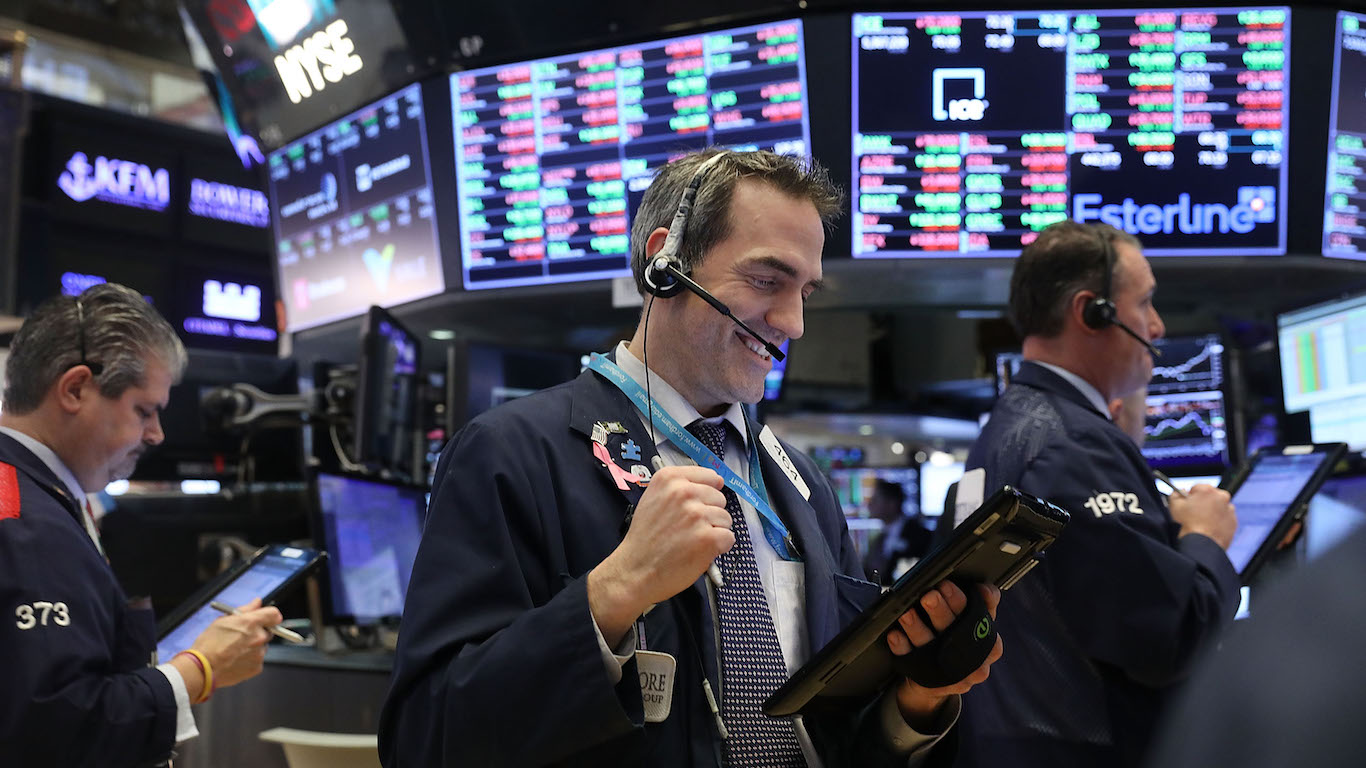
Market timing sounds simple in theory: Sell before the drop, buy back at the bottom. But Ben Carlson, author of the “A Wealth of Common Sense” blog, says the catch is that you have to be right twice. Most people fail the second time.
Speaking on a recent How to Money podcast, Carlson walked us through the trap. Investors who sold during the 2008 crisis often stayed in cash through 2013, 2014, and 2015, paralyzed by when to re-enter. From the start of 2008 through the end of 2015, the SPDR S&P 500 ETF Trust (NYSEARCA:SPY) still climbed 40.67%. So sitting out cost real money.
The Information Firehose Is the Real Risk
Carlson argues that overexposure to news is a real problem today. “I think a lot of the risks today come from just paying too much attention, like the firehose of information that we get,” he said.
After 20 years in wealth management, he’s watched people worry endlessly about risks that “never led to anything bad” or were “short-term in nature and life moved on for people.” Our brains haven’t evolved to handle constant alerts, 24/7 news, and social media headlines. “We’ve just never been so aware of it as we are today,” Carlson notes about bad events in the world. People focus on existential risks affecting millions instead of asking what actually impacts their personal household.
Carlson suggests focusing on your time horizon, not headline. “When are you going to need the money? I think that is the one big determinant of risk for most people,” he said. He recalls his 2008 experience as a “naive 20-year-old” who kept funding his 401(k) while a colleague fled to a stable value fund. His logic: “Either these are the lowest stock prices I’m ever going to see in my life, or the system does go under and it’s not going to matter what anyone’s invested in.”
If rates, inflation, or geopolitical events are making you anxious, remember: “You and I don’t have any control over what the Fed’s going to do, what the government’s going to do, what tax rates are going to be, what the market’s going to do.” Focus on what you can control instead of wringing your hands over headlines about things beyond your influence.
Rules Beat Forecasts
Carlson’s antidote to emotional decisions is mechanical. He favors a barbell of stocks paired with cash and bonds, then rebalances on a schedule. If a 70/30 mix drifts to 75/25, trim back. If it falls to 60/40, “I’m taking 10% from the bonds and putting it back in this box.” The system forces buy-low, sell-high discipline without requiring any forecast. He separates emergency cash from invested capital: “The portfolio is for investing and the cash is like a personal financing. I think those are two separate things.” Hoarding dry powder usually means missing gains, since “most of the time the stock market goes up.”
The Cheat Day Portfolio
For investors who enjoy stock picking, Carlson suggests carving out 5 to 10% for active bets and indexing the rest. “I think some investors need the cheat day,” he said. He wound down his own active sleeve because it was “taking up 90% of my investing mindshare” while underperforming his passive holdings.
His final discipline: stop checking. “Losses sting twice as bad as gains feel good,” Carlson said. With the market up only about 53% of trading days historically, daily checking guarantees steady pain. Read more at A Wealth of Common Sense.
Contact [email protected] for any questions or corrections.
Carl Sullivan has been a Flywheel Publishing contributor since 2020, focusing mostly on personal finance, investing and technology. He started his journalism career covering mutual funds, banking and financial regulation in Washington.Carl is a contributing editor at Financial Advisor Magazine and previously served as managing editor at Financial Planning Magazine. He is a long-time manager of editorial teams covering a variety of topics including news, business and politics. He’s currently the North America Managing Editor for Flipboard and worked previously for Microsoft News and Newsweek.Carl loves exploring the world and lived in India for several years. Today, he resides in New York City’s Queens borough, where you can hear hundreds of different languages just by riding the subway.