Ben Carlson Says Too Many Investment Choices Hurt Your Returns. Here’s How to Say No
Ben Carlson, the Director of Institutional Asset Management at Ritholtz Wealth Management and longtime blogger at A Wealth of Common Sense, has built his reputation on a contrarian sort of patience. In a recent appearance on Morningstar's The Long View,…


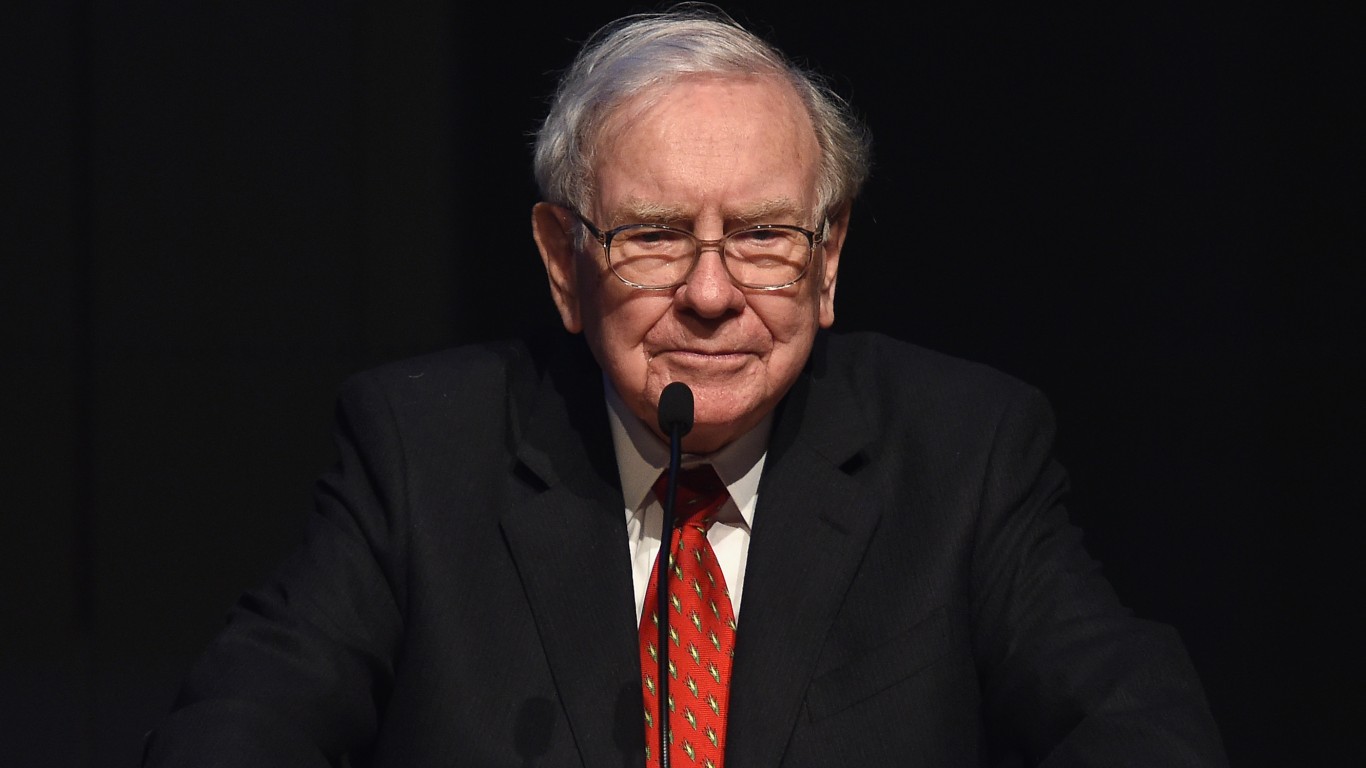
Ben Carlson, the Director of Institutional Asset Management at Ritholtz Wealth Management and longtime blogger at A Wealth of Common Sense, has built his reputation on a contrarian sort of patience. In a recent appearance on Morningstar’s The Long View, timed to the May 12, 2026 release of his new book Risk and Reward, he laid out a paradox that anyone with a brokerage app should sit with: the better investing gets, the easier it becomes to ruin your own returns.
The Paradox of Better Access
“There’s never been a better time to be an individual investor,” Carlson said, pointing to zero-dollar commissions, fractional shares, ETFs that unlock strategies once reserved for institutions, and accounts you can open from a phone in minutes. The catch is what those frictionless rails encourage. “By taking down those barriers to entry, it increases the temptation to make a change,” he warned.
The information environment compounds the problem. Social media takes, newsletters, podcast clips, and analyst price targets arrive in a constant stream, and the average investor is trying to process all of them in real time. “Drinking from the fire hose is not a long-term winning strategy,” Carlson said. Carlson’s new book, published by Harriman House, argues the case for pre-commitment using financial history as evidence, examining episodes from the Great Depression through Japan’s 1980s asset bubble to the dot-com collapse as case studies in how even the most disciplined societies can lose their heads when markets move.
How to Actually Say No
Carlson’s prescription is less about willpower and more about structure. Investors, he argued, must “learn about how to limit yourself and how to put guidelines on your actions and how to say no to certain things.” The goal is reaching a point where any new product, fund, or tip becomes “an automatic yes or an automatic no” against a written plan, rather than a fresh debate every time markets twitch.
That sounds simple. The execution is where it breaks down. Consider the volatility the market has already produced in 2026 alone. The CBOE Volatility Index sat at 17.26 on May 14, well inside the normal 15 to 20 band. Weeks before that, on March 27, 2026, it had spiked to 31.05, a sharp reminder that calm periods do not erase the possibility of sudden turbulence. The long-run record favors patience: from 1926 to 2025, the S&P 500 delivered positive returns in nearly 75% of calendar years and compounded at roughly 10.5% annualized over that span. But that history only accrues to investors who stay put during the spikes. The whiplash moments are exactly when undisciplined investors abandon their plans and reach for whatever is being marketed hardest.
The VC ETF and Private Assets Test Case
The conversation on The Long View, hosted by Christine Benz, turned to the wave of venture capital ETFs reaching retail investors and the push to put private equity and private credit inside 401(k)s. Both raise the same question Carlson keeps returning to: does every financial innovation deserve a slot in your portfolio?
That question has become more urgent since March 30, 2026, when the U.S. Department of Labor proposed a landmark rule creating a six-factor safe harbor for 401(k) plan fiduciaries that add alternative investments, including private equity, private credit, real estate, and digital assets, alongside traditional funds. The rule followed an August 2025 executive order aimed at expanding retirement savers’ access to private markets. The DOL’s own estimates project roughly $178 billion in annual flows into target-date funds containing alternatives if the rule is finalized, affecting approximately 4.5 million participants. The comment period closed June 1, 2026, with a final rule expected by end of year.
For most investors, the honest answer remains no. Private market wrappers carry longer lock-ups, opaque valuations, layered fees, and limited liquidity. Private equity funds have historically charged around 1.6% to 2% in annual management fees on top of 20% of profits as carried interest. One academic study estimated that investors pay between $0.05 and $0.26 in fees per dollar committed to a private market fund, producing an annualized fee drag of 5% to 8% of gross returns. None of that is automatically disqualifying, but none of it earns a spot in a portfolio simply because it now fits inside your account. You can read more from Carlson directly at A Wealth of Common Sense.
The Takeaway
Carlson’s framework is deliberately unglamorous. Write the rules first. Define what fits your plan and what doesn’t. Then let the next shiny product, the next viral chart, the next 401(k) menu addition pass through that filter. The investors who compound across decades are the ones who already decided, in advance and in writing, which doors stay closed.
Editor’s note: This update corrects Ben Carlson’s title to Director of Institutional Asset Management, adds context about his book Risk and Reward (Harriman House, May 12, 2026), incorporates the DOL’s March 30, 2026 proposed rule expanding alternative investment access in 401(k) plans, and adds the S&P 500’s 1926 to 2025 long-run return record as context for the case for disciplined patience.
Contact [email protected] for any questions or corrections.
Don Lair writes about options income, dividend strategy, and the kind of boring-but-durable investing that actually funds retirement. He's the founder of FITools.com, an independent contributor to 24/7 Wall St., and a former writer for The Motley Fool.