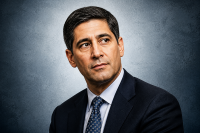
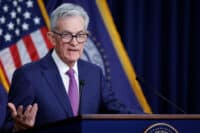
Kevin Warsh Confirmed as Fed Chair: The 5 Things That Could Decide How Bitcoin Reacts
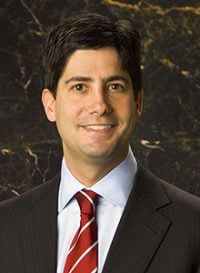
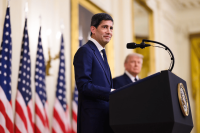
The Senate confirmed Kevin Warsh as Fed Chair today in a 54-45 vote—the closest in modern history. He replaces Jerome Powell on Friday May 15, and his first FOMC meeting is scheduled for June 16-17. Bitcoin (CRYPTO: BTC) is trading…

This post may contain links from our sponsors and affiliates, and Flywheel Publishing may receive compensation for actions taken through them.
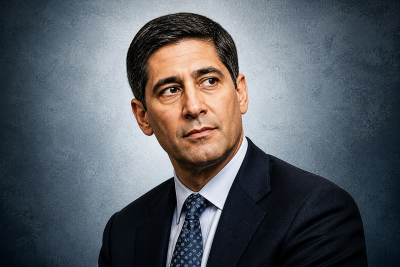
The Senate confirmed Kevin Warsh as Fed Chair today in a 54-45 vote—the closest in modern history. He replaces Jerome Powell on Friday May 15, and his first FOMC meeting is scheduled for June 16-17. Bitcoin (CRYPTO: BTC) is trading just under $80,000 as he prepares to take the role, after this morning’s hot PPI report broke the $80K support.
Here’s where it gets complicated: Warsh is the first Fed Chair to own crypto personally and has called Bitcoin “the new gold for people under 40.” But he’s also one of the most hawkish Fed officials since the financial crisis, especially on quantitative easing. Trump wants him to cut rates right away.
After today’s hot inflation reading, markets are pricing roughly 39% odds of a rate hike instead of cuts. Now, five specific things could decide how BTC reacts to Warsh’s appointment. Here’s our review of what to watch.
Warsh’s First Speech: Hawkish or Dovish on Inflation?
Warsh takes the chair against the worst possible inflation backdrop for a dovish opening pitch. April’s CPI came in at 3.8% yesterday—the highest since May 2023—and this morning, April’s PPI hit 6% year over year, which is the highest since December 2022. Polymarket, the prediction market, puts the odds of no rate cut at his first FOMC meeting at 97%.
Trump has been turning up the pressure before the confirmation. He told CNBC he’d be “disappointed if Warsh doesn’t cut rates right away,” and publicly joked he’d “sue Warsh” if he doesn’t. That level of pressure on day one is unprecedented for a Fed Chair, and Warsh has to choose his first words carefully, as they’ll set the market’s read on him for the rest of the year.
Bitcoin could take one of two paths depending on Warsh’s tone. The realistic case is hawkish—Edward Jones economist, James McCann, said “spiking inflation will leave the Fed firmly on the sidelines for his first few meetings and potentially through the rest of 2026.
If he signals 3.8% inflation is unacceptable and the Fed will hold longer, BTC could slide below $78—the level marked by the 200-day moving average. However, if he leans into his case that AI productivity justifies cuts despite the hot CPI, BTC could push back toward $82K-$85K.
The June 16-17 FOMC: Warsh’s First Rate Decision
The market has already decided what Warsh will do at his first FOMC meeting—nothing. CME FedWatch puts the probability of a hold at the current 3.50%-3.75% rate at around 70% for June, with a 25 basis point cut at roughly 28%. Polymarket is more aggressive at 97% no-cut odds.
Looking further out, the same market puts 62% odds on zero rate cuts all of 2026—despite Trump publicly demanding them and Warsh nominally being the rate-cut nominee. The wild card after today’s hot PPI: rate hike odds jumped to roughly 39%—the opposite of what Trump wants. So the question isn’t whether the June meeting cuts rates—it almost certainly won’t. The question is whether anything Warsh says changes the path for the rest of 2026.
Two outcomes could move BTC, and neither is the obvious one. A surprise cut at 28% odds would send BTC ripping toward $85K-$88K. The signal is that Warsh isn’t waiting for inflation to fall, he’s leading with cuts. The more dangerous outcome is a hawkish hold paired with a revised dot plot. The June meeting includes the updated Summary of Economic Projections, which is the chart showing where each Fed member expects rates to be.
If Fed members shift the dot plot to project fewer 2026 cuts, BTC could plunge below $78K. That’s the riskier outcome because it locks in a tighter Fed regardless of what Warsh personally wants. Whatever happens on June 17 will set the playbook for July 28-29 and September 15-16. So, Warsh’s first meeting is also his first chance to shape committee consensus.
Rate Cuts Plus a Shrinking Fed Balance Sheet

Warsh wants to do something no Fed Chair has done before—cut interest rates and shrink the Fed’s balance sheet at the same time. The balance sheet is currently $6.5 trillion, down from a $9 trillion peak in January 2022. Since 2008, every Fed Chair has treated the balance sheet and interest rates as one lever—either both ease or both tighten—but Warsh could break that tradition.
In a November 2025 Wall Street Journal op-ed, he laid out what’s now called “QT-for-Cuts.” He’d cut the fed funds rate to 3.0%-3.25% while actively selling the Fed’s mortgage-backed securities—returning the central bank to a “Treasury-only” portfolio. Citadel Securities calls this a “financial conditions neutral” balance sheet rundown. The rationale is that Warsh believes AI-driven productivity is a “structural disinflationary force” that justifies cuts even with sticky CPI.
For Bitcoin specifically, the balance sheet matters more than the rate. Rate cuts make borrowing cheaper, which helps risk assets generally. But Bitcoin has tracked the Fed’s balance sheet expansions and contractions far more closely than rate moves since 2020. If Warsh cuts rates by 50 basis points but actively drains $500 billion from the balance sheet, the net liquidity effect could be negative for BTC—even though the rate-cut headline looks bullish.
The FOMC statement language after June 17 will reveal which lever Warsh is leaning on first. Wells Fargo Investment Institute already predicts he’ll prioritize QT over rate cuts initially, which would be bearish for Bitcoin in the short-term.
Warsh on Bitcoin, Stablecoins, and CBDCs
Warsh is the first Fed Chair to take office with personal crypto investments and on-record positive views on Bitcoin. His financial disclosures revealed positions in Bitwise (the Bitcoin ETF firm), Flashnet (Bitcoin Lightning payments), Polymarket, dYdX, Lighter, and a handful of other crypto-linked ventures.
He’s pledged to divest all of them to comply with Fed ethics rules. At a Hoover Institution event in 2025, Warsh said: “Bitcoin doesn’t trouble me. It’s a very good policeman for policy.” He’s called Bitcoin “the new gold for people under 40” and “an important asset that can help inform policymakers.” At his Senate hearing, he said “digital assets are already embedded in finance.”
The Fed sets the rules of engagement between banks and crypto—and Warsh’s stance is unusually clear for a chair. When Sen. Bernie Moreno asked at his hearing, Warsh flatly called a U.S. Central Bank Digital Currency a “bad policy choice.” That kills any near-term CBDC push from the Fed.
He also favors private stablecoins over a government one, which lines up directly with the CLARITY Act framework Congress is debating. Kraken just got the first Fed master account—direct access to Federal Reserve payment rails—earlier this month. Under Warsh, more crypto firms could get that same access, and banks may feel safer offering BTC custody to clients.
Fed Independence: Will Warsh Hold the Line on Trump?

Warsh takes the role under more visible political pressure than any Fed Chair in modern history. Trump publicly joked he’d “sue Warsh” if he doesn’t cut rates fast. The 54-45 confirmation vote was the closest in modern Fed history—only one Democrat (Fetterman) crossed over. Senate Democrats called Warsh “Trump’s sock puppet” multiple times in hearings.
CNN polling now shows 70% of Americans disapprove of Trump’s handling of the economy, the highest of either term, which only intensifies his rate-cut demands. The gap between Trump’s pressure and the market’s expectations is the test of Warsh’s independence.
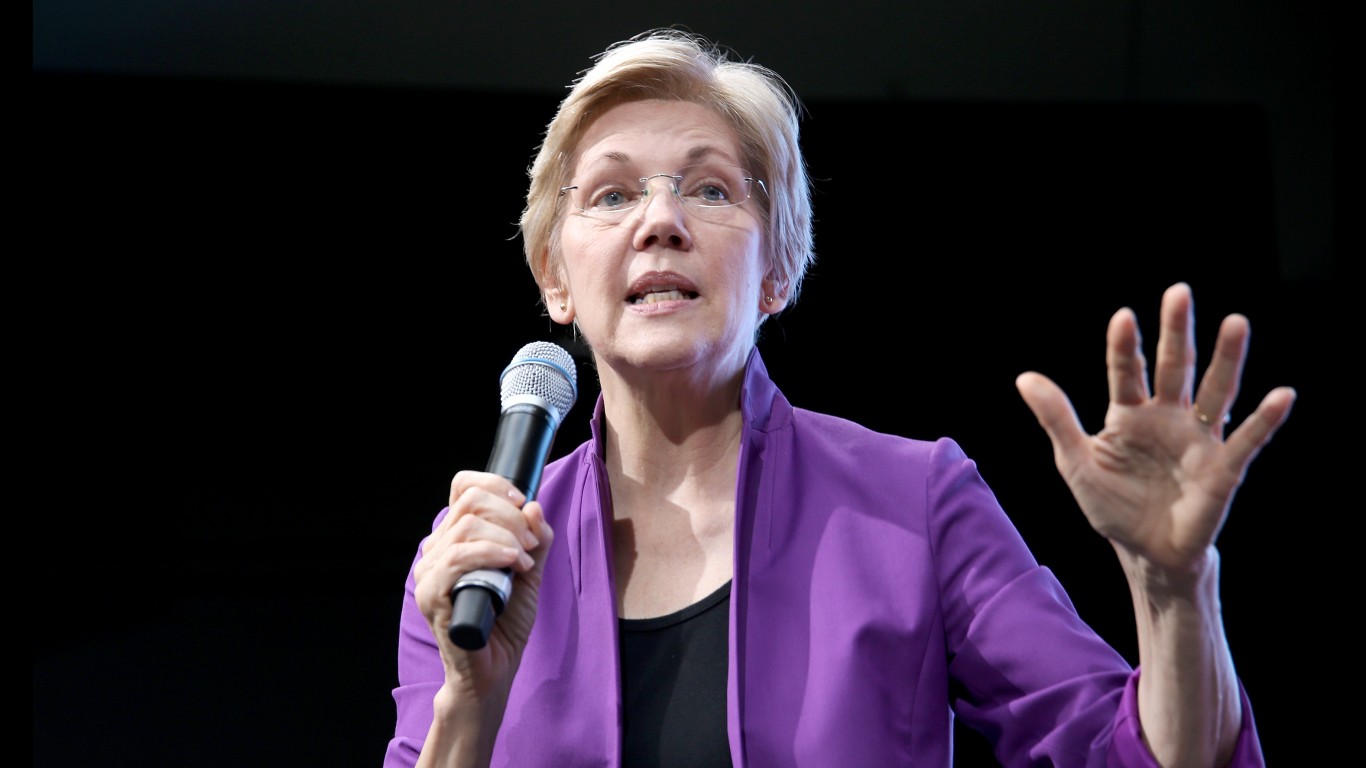
Moreover, Bitcoin needs a Fed the market trusts. Perceived political interference is a different problem than the policy decisions themselves. At his hearing, Warsh said: “I’ll be an independent actor if confirmed as chairman of the Federal Reserve.” When Sen. Elizabeth Warren asked if he’d be Trump’s “sock puppet,” Warsh’s answer was “absolutely not.”
If Warsh capitulates and cuts rates aggressively despite hot inflation, BTC could see a short-term rally, the dollar would weaken, but Fed’s credibility could break down over time. However, if Warsh holds firm and ignores Trump, BTC could suffer short-term no-cut disappointment, but the Fed’s credibility stays intact.
The key thing to watch is Warsh’s first 60 days in office. Any pattern of cuts immediately following Trump’s public pressure would be the tell.
What Warsh’s Confirmation Means for BTC in the Next 90 Days
Of the five factors above, the two we’re watching closest are QT-for-Cuts and Fed independence. QT-for-Cuts matters because Bitcoin has tracked Fed liquidity far more closely than rates since 2020. So, if Warsh cuts 50 basis points but drains $500 billion through MBS sales, the net liquidity effect is what BTC trades on, not the rate-cut news.
Fed independence also matters because if Warsh caves to Trump’s pressure and cuts despite 6% PPI, BTC could rip short-term but Fed’s credibility would break down, and such damage could take years to repair and weigh on every risk asset along the way.
Our base forecast is that Bitcoin will stay range-bound between $78K and $85K through June. A bullish signal would be Warsh holding the line, CLARITY Act clearing the Senate, and a dovish pivot at the September meeting once inflation cools. That’s the setup that could get Bitcoin back toward $100K, not the rate-cut news markets are chasing this week.
Contact [email protected] for any questions or corrections.
Sam Daodu is a crypto analyst who's spent nearly a decade making blockchain understandable—no easy task when most whitepapers read like fever dreams. He writes for 24/7 Wall St., covering Bitcoin, altcoins, and crypto market analysis for investors. Before crypto, he was a tech writer (back when explaining "the cloud" was peak innovation). Since 2018, he's written for CoinTelegraph, Yahoo Finance, The Block, Cryptonews, Zypto, Rain, and more—basically anywhere people want crypto news without the headache. Sam runs MacLabs Marketing, a content agency for crypto brands tired of sounding like AI wrote their website. He also publishes free crypto education on his site for Web3 enthusiasts who think "gas fees" is a typo. When he's not writing or staring at charts, Sam's either: - Watching anime (currently convinced One Piece has better tokenomics than most altcoins) - At the gym sculpting himself into a Greek god - Listening to the music your mum warned you only bad boys listen to Connect: LinkedIn | Email | MacLabs Marketing