




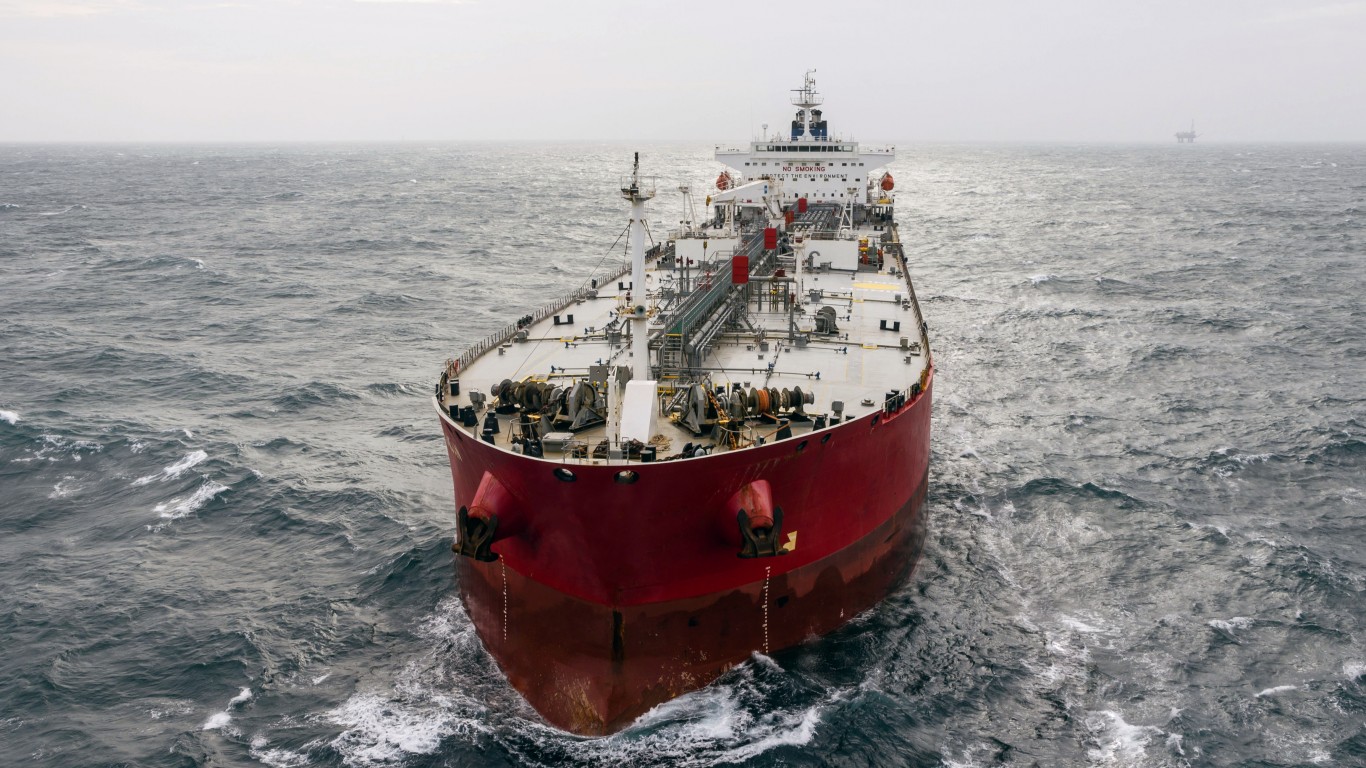
Bloomberg’s Stuart Livingstone-Wallace delivered a line worth pausing on this week. Responding to a question about whether a U.S. naval posture was choking off Iranian crude flows, he told viewers: “We’ve had no tankers loading for three days. That’s certainly unprecedented since the conflict began.”
The three days in question were May 8, May 9, and May 11, 2026, at Kharg Island, the terminal that handles the bulk of Iran’s seaborne crude exports. The analysis was driven by satellite imagery work from Bloomberg’s Julian Lee, whose shadow study of the facility’s storage tanks suggested the tanks are filling up, implying Iran is running short of both storage and tankers to load. Livingstone-Wallace flagged the obvious caveat: a few days is not a trend, and the pattern needs to be watched over the coming weeks.
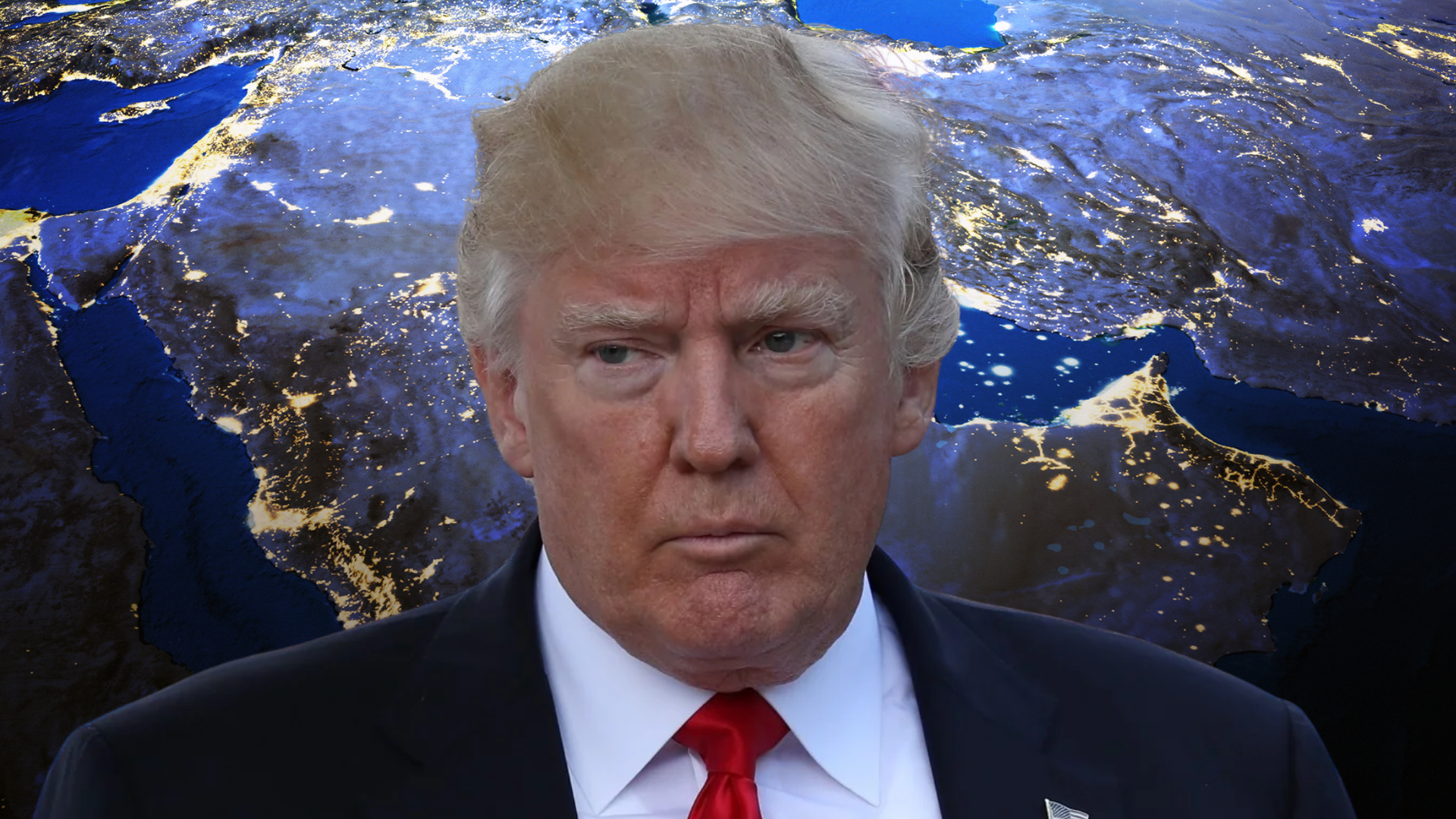
Yet, since Bloomberg’s report, satellites now confirm Iran’s all-important Kharg Island hasn’t loaded oil tankers for a fourth straight day on May 12th. With Trump arriving in Beijing for an important summit with China, Kharg suddenly going silent could give the President a powerful card to play. Up to 90% of Iran’s oil exports go to China, making it a pivotal part of China’s energy strategy.
The Big Picture on Oil Prices
Crude has already repriced sharply. Brent traded at $118.26 on May 1, 2026, after spiking to $138.21 on April 7. WTI ran to $114.58 on April 7, the highest level in the five-plus-year dataset. If Kharg loadings stay frozen, the inventory cushion thins fast. Exxon Mobil (NYSE:XOM | XOM Price Prediction) CEO Darren Woods told investors that “as you get to the minimum working levels of inventory on the commercial side, you are going to lose one of these sources of supply,” with prices likely to grind higher if the Strait stays shut.
The Geopolitical Angle
As noted earlier, up to 90% of Iran’s crude exports go to China. That’s 1.38 million barrels per day that China is reliant upon for its energy needs. While Kharg going silent could have impacts on the global oil market, a bigger picture is any short-term ‘shock’ could give President Trump extra negotiating power as he begins a three-day summit in Beijing.
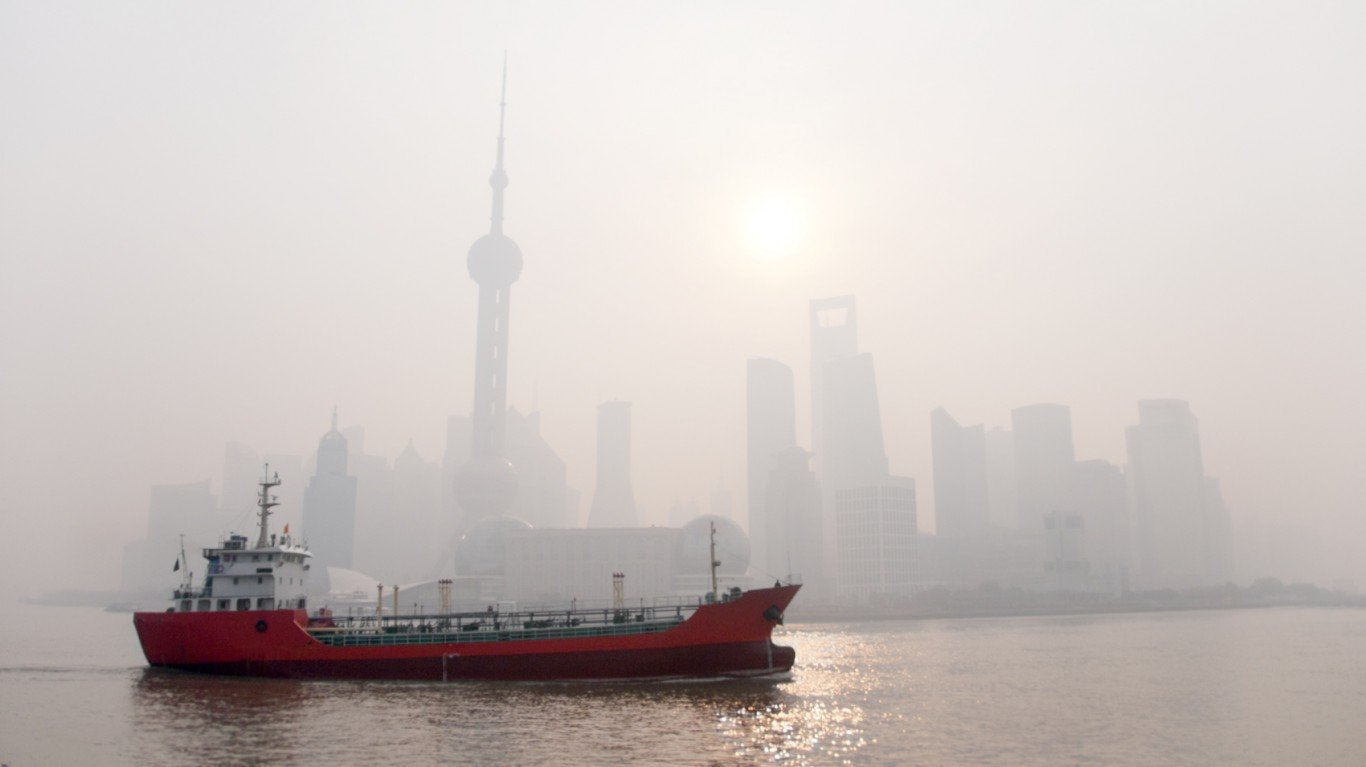
The reasons for Kharg going silent are unclear. The U.S. has a blockade, which has led many previously loaded tankers to become ‘floating storage.’ If Iran is no longer loading from Kharg because there’s a major backup of ships that can’t escape the blockade, that would provide Trump with more leverage.
There is also speculation that an oil slick may be leading to the lack of activity on the island. In addition, Iran has said they’ll voluntarily cut production as their storage tanks fill.
The Diversified Investing Angle
United States Oil Fund (NYSE:USO) is the most direct play on WTI. It is already up 108.65% year-to-date through May 12 and gained 8.02% in the five sessions from May 8 to May 12. Reddit sentiment flipped from bearish to a peak score of 85 (very bullish) by May 11, anchored by a single viral post.
The Individual Stock Plays
Exxon Mobil posted Q1 2026 adjusted EPS of $1.16 despite a $706 million hit tied to Middle East disruptions. Chevron (NYSE:CVX) delivered EPS of $1.41 versus a $0.97 consensus, citing curtailments in Israel and the Partitioned Zone. ConocoPhillips (NYSE:COP) pulled Qatar from its Q2 guidance entirely, with CFO Andrew O’Brien noting that “for about two months now, we have had about 10 million barrels a day of production offline.” Filing detail is on the SEC site.
Refiners with North American crude sourcing benefit when global supply tightens. Marathon Petroleum (NYSE:MPC) is up 55.72% year-to-date, with CEO Maryann Mannen estimating that approximately 6 million barrels per day, close to 6% of global refined products capacity, has come offline during the conflict.
The Bottom Line
Four days of dark tankers at Kharg is one data point, and the thesis still needs more evidence to form. Yet, the timing could prove pivotal as Trump embarks on a trip to Iran’s major energy partner. If the U.S. believes their blockade is what’s causing Kharg to go silent, that could lead Trump to play a stronger hand when negotiating with Chinese President Xi.









 Top Gaining Stocks
 Top Losing Stocks