Why Berkshire Hathaway Is Now My Favorite Stock for 2026 and Beyond
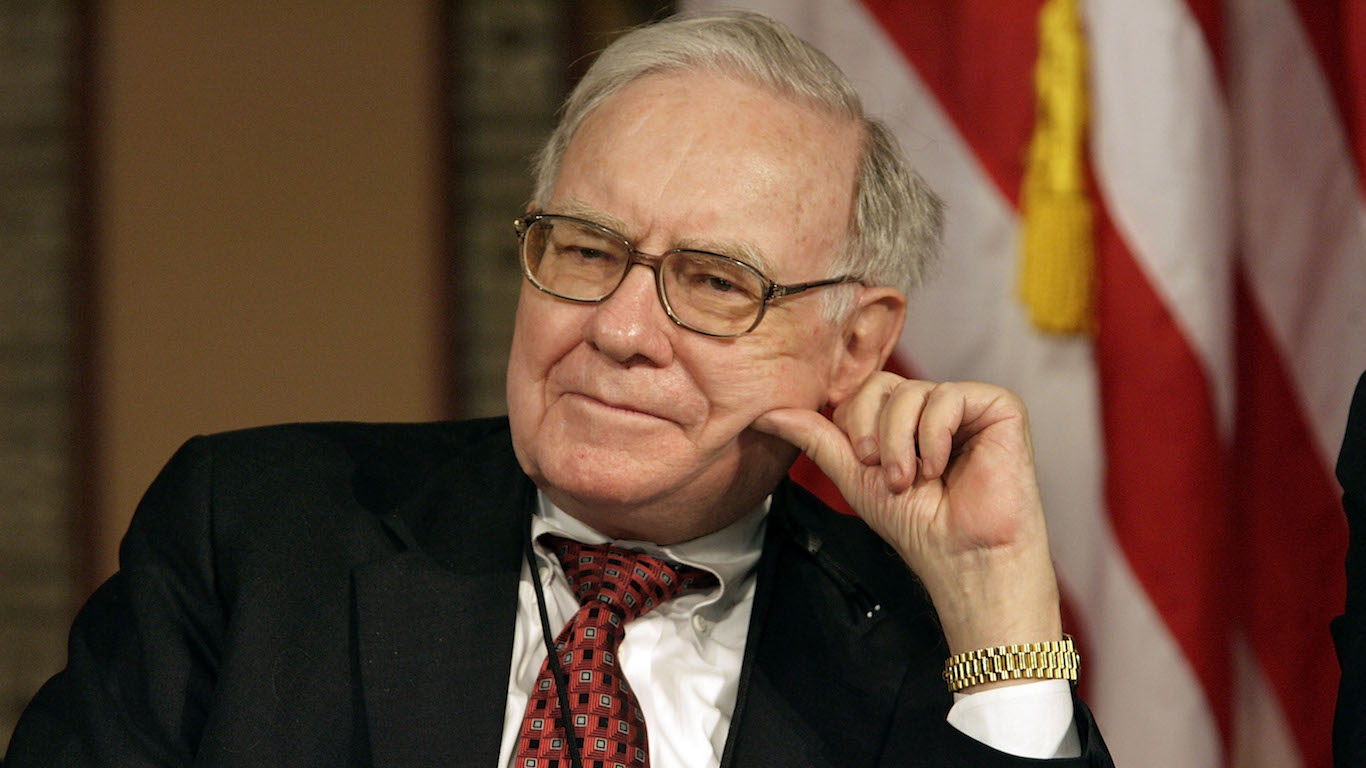
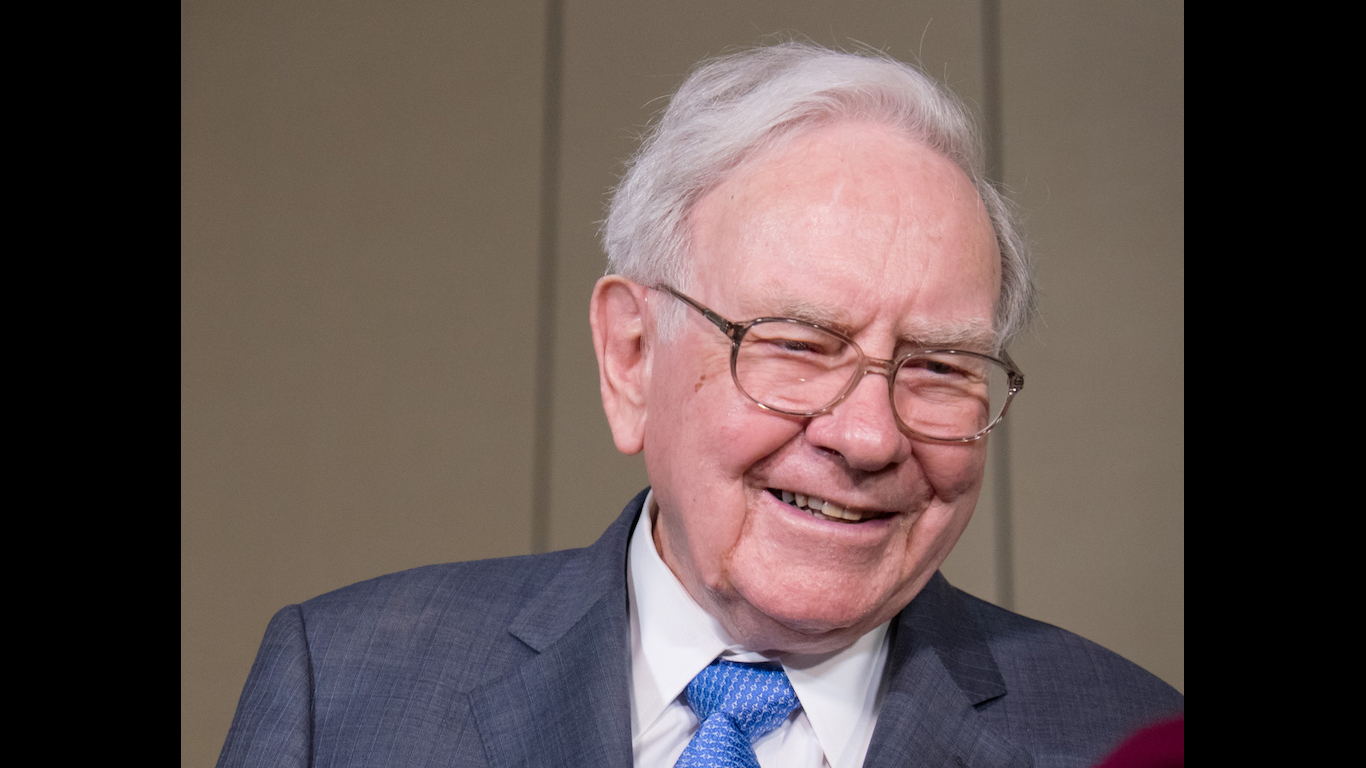
Warren Buffett stepped down as CEO of Berkshire Hathaway (NYSE: BRK-B | BRK-B Price Prediction) on December 31, 2025, after six decades leading the conglomerate he transformed from a struggling textile mill into a $1 trillion empire. The “Oracle of…

This post may contain links from our sponsors and affiliates, and Flywheel Publishing may receive compensation for actions taken through them.
Warren Buffett stepped down as CEO of Berkshire Hathaway (NYSE: BRK-B | BRK-B Price Prediction) on December 31, 2025, after six decades leading the conglomerate he transformed from a struggling textile mill into a $1 trillion empire. The “Oracle of Omaha” left his successor, Greg Abel, with a very concentrated portfolio: 70% of Berkshire’s $381 billion portfolio is invested in just seven stocks. Abel, who has served as vice chair overseeing non-insurance operations, officially took over as chief executive on January 1, 2026. At 95 years old, Buffett isn’t fully retiring—he will remain chair of the board and plans to continue coming to the Omaha headquarters as much as before. However, he has stated he will be “going quiet” and leaving all decision-making to Abel.
Berkshire stock’s 10% underperformance to the S&P 500 in 2026 boils down to a few compounding and frustrating headwinds: a $397 billion cash pile earning T-bill yields while the market rallied hard, a deliberate retreat from equities at exactly the wrong time, and a leadership transition that shook investor confidence. Its sheer size makes transformative acquisitions nearly impossible, and its “old economy” tilt toward railroads, insurance, and energy meant it sat out the AI-driven tech surge that powered index returns. Remember, the only reason the S&P 500 and the Nasdaq are up this year is the technology sector’s outperformance. In short, Berkshire got penalized for being cautious and boring, though for patient, long-term investors, that may ultimately prove to be a feature, not a bug.
Here are five reasons why Berkshire Hathaway is my favorite stock for the rest of 2026 and beyond.
Gigantic Pile of Cash
Berkshire Hathaway is sitting on the largest cash pile in its history: $397.4 billion at the end of Q1 2026, equal to roughly 59% of its investable assets. In fact, it’s enough cash to buy 497 of the S&P 500. That massive reserve acts as a powerful safety net in the event of a recession or market downturn, while giving Abel tremendous flexibility to pursue attractive acquisitions or make bold capital investments in businesses Berkshire already owns. When the right deal finally appears (and it always does), this kind of financial firepower is truly exceptional.
Strong Earnings
Berkshire’s operating earnings rose 18% to $11.35 billion in Q1 2026, boosted by a robust 28.5% jump in insurance underwriting profit to $1.72 billion. Net income more than doubled to $10.1 billion. This isn’t accounting noise; it’s a clear reflection of genuine operational strength across Berkshire’s massive portfolio of businesses.
Portfolio Built to Withstand Disruption
Over the past 60 years, Berkshire has assembled a portfolio of operating businesses and investments that are remarkably resilient to disruption from AI and emerging technologies. Railroads, insurance, energy, and consumer staples form the core. These are classic businesses protected by wide, durable competitive moats that are unlikely to be upended overnight.
Buybacks Have Started
Berkshire ended its 21-month buyback moratorium because its shares finally became attractive enough to repurchase. The price-to-book ratio fell to 1.4 in March, well below the 60% to 80% premium range that had kept buybacks on hold for nearly two years. Consistent with Berkshire’s long-standing policy, the company repurchases shares only when management believes the stock is trading below its intrinsic value. The resumption of buybacks is therefore a clear signal that they view the current price as undervalued. If they think it is, investors should as well.
Abel Is the Right Man to Lead
Abel personally purchased $15 million of Berkshire shares. That amount is roughly equal to his entire after-tax annual salary. In addition, he has committed to repeating the buy each year in the future. Given his decades-long tenure at the company, Abel is unlikely to make abrupt changes to Berkshire’s direction. However, his more active management approach could still unlock meaningful growth in the years ahead. Skin in the game and strong cultural continuity send a powerful positive signal, one that will likely continue to resonate with investors for decades to come.
What Investors Get
Here is a list of Berkshire Hathaway’s wholly owned private companies. When you own the shares, you own a lot more than the 26 companies in the stock portfolio.
Insurance
- GEICO (auto insurance)
- General Re (reinsurance)
- Berkshire Hathaway Reinsurance Group
- Alleghany Corporation
- Kansas Bankers Surety
Transportation and Logistics
- BNSF Railway (one of the largest freight railroads in North America)
- FlightSafety International (pilot training)
- NetJets (fractional aircraft ownership)
Energy and Utilities
- Berkshire Hathaway Energy (parent of MidAmerican Energy, PacifiCorp, NV Energy, Northern Powergrid)
Manufacturing and Industrial
- Marmon Holdings (100+ industrial businesses)
- Precision Castparts (aerospace/industrial components)
- IMC International Metalworking Companies
- Acme Brick Company
- OxyChem (acquired in January 2026 for $9.7 billion—the most recent major addition)
Retail and Consumer
- Dairy Queen
- See’s Candies
- Ben Bridge Jeweler
- Borsheims Fine Jewelry
- Nebraska Furniture Mart
Building and Home
- Benjamin Moore & Co. (paints)
- Clayton Homes (manufactured housing)
- Shaw Industries (flooring)
- Johns Manville (insulation/building products)
Finance and Services
- Berkshire Hathaway HomeServices (real estate brokerage)
- CORT Business Services (furniture rental)
- Berkadia (mortgage financing, 50% JV)
Berkshire has a staggering 800 subsidiaries worldwide, but these are the flagship names that drive the bulk of operating earnings.
The Takeaway
Berkshire Hathaway shares are trading roughly 10% off their all-time high, sitting on a record cash pile, with buybacks just resuming and a new CEO who’s eating his own cooking. For long-term investors, that’s a rare combination. That said, always do your own due diligence before investing. With an overbought stock market and the AI/data center trade still dominating investor sentiment, this may be the best opportunity to own a legendary company.
Contact [email protected] for any questions or corrections.
Lee Jackson has covered Wall Street analysts' equity and debt research and equity strategy daily for 24/7 Wall St. since 2012. His broad, diverse career, including a stint as creative services director at an NBC affiliate in Austin, Texas, gives him unique insight into the financial industry.
Lee Jackson's journey in the financial industry spans more than 30 years, including nearly two decades as an institutional equity salesperson at Bear Stearns, Lehman Brothers, and Morgan Stanley. His career spanned pivotal sell-side Wall Street events, from the dot-com rise and bubble to the Long-Term Capital Management debacle, 9/11, and the Great Recession of 2008. This reflects his resilience and adaptability amid market volatility.
Lee Jackson’s practical financial industry experience, gained through a career at some of the biggest banks and brokerage firms, is complemented by a lifetime of writing across various platforms. This unique combination allows him to shed light on the intricacies of Wall Street in a way only someone with deep insider experience and knowledge can. Moreover, his extensive network across Wall Street continues to provide direct access for him and 24/7 Wall St., a privilege few firms enjoy.
Since 2012, Jackson’s work for 24/7 Wall St. has been featured in Barron’s, Yahoo Finance, MarketWatch, Business Insider, TradingView, Real Money, The Street, Seeking Alpha, Benzinga, and other media outlets. He attended the prestigious Cranbrook Schools in Bloomfield Hills, Michigan, and has a degree in broadcasting from the Specs Howard School of Media Arts.