Why is Buffett Hoarding Cash While The S&P (VOO) Is At All Time Highs?
Buffett’s Cash Fortress Sparks Speculation Legendary investor Warren Buffett remains a towering figure in the financial world. Even as he prepares to step away from the day-to-day investment decisions at Berkshire Hathaway (NYSE:BRK-A | BRK-A Price Prediction)(NYSE:BRK-B), his every move…

Buffett’s Cash Fortress Sparks Speculation
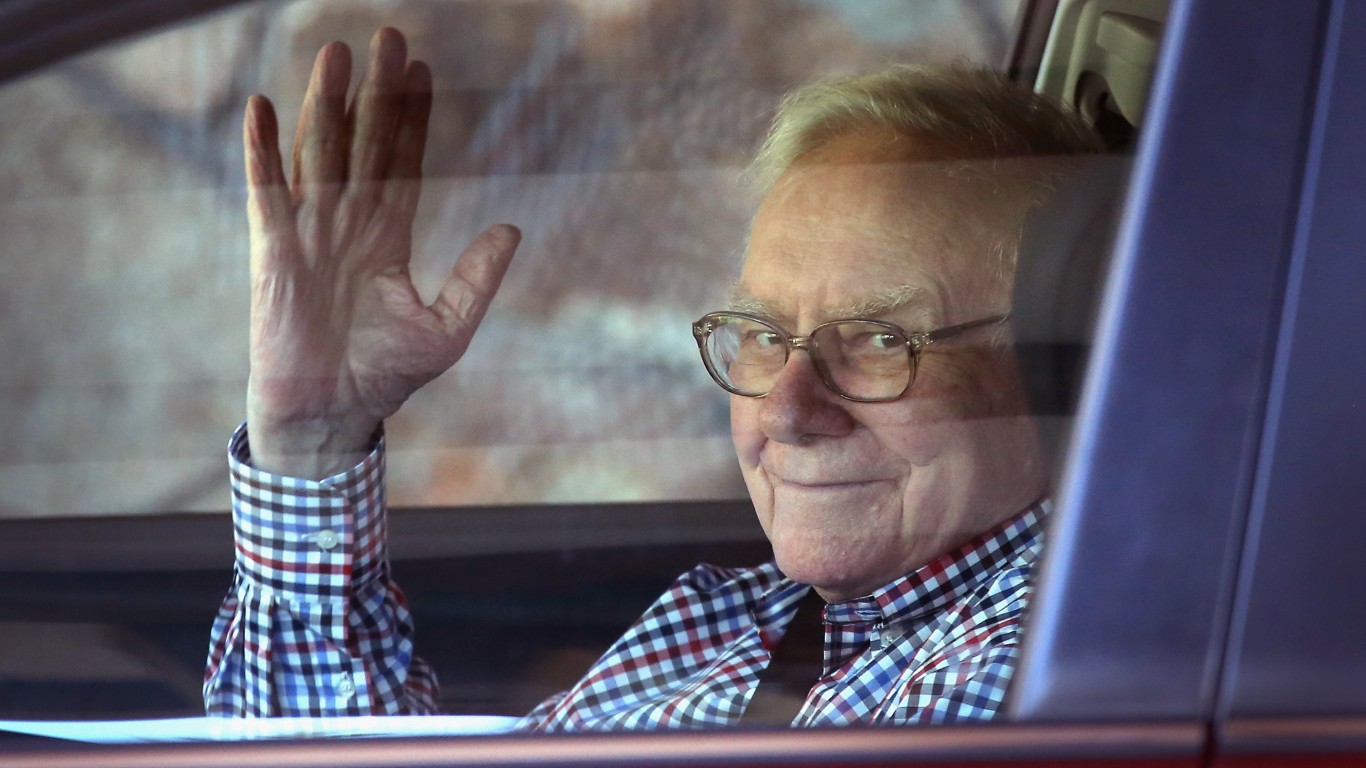
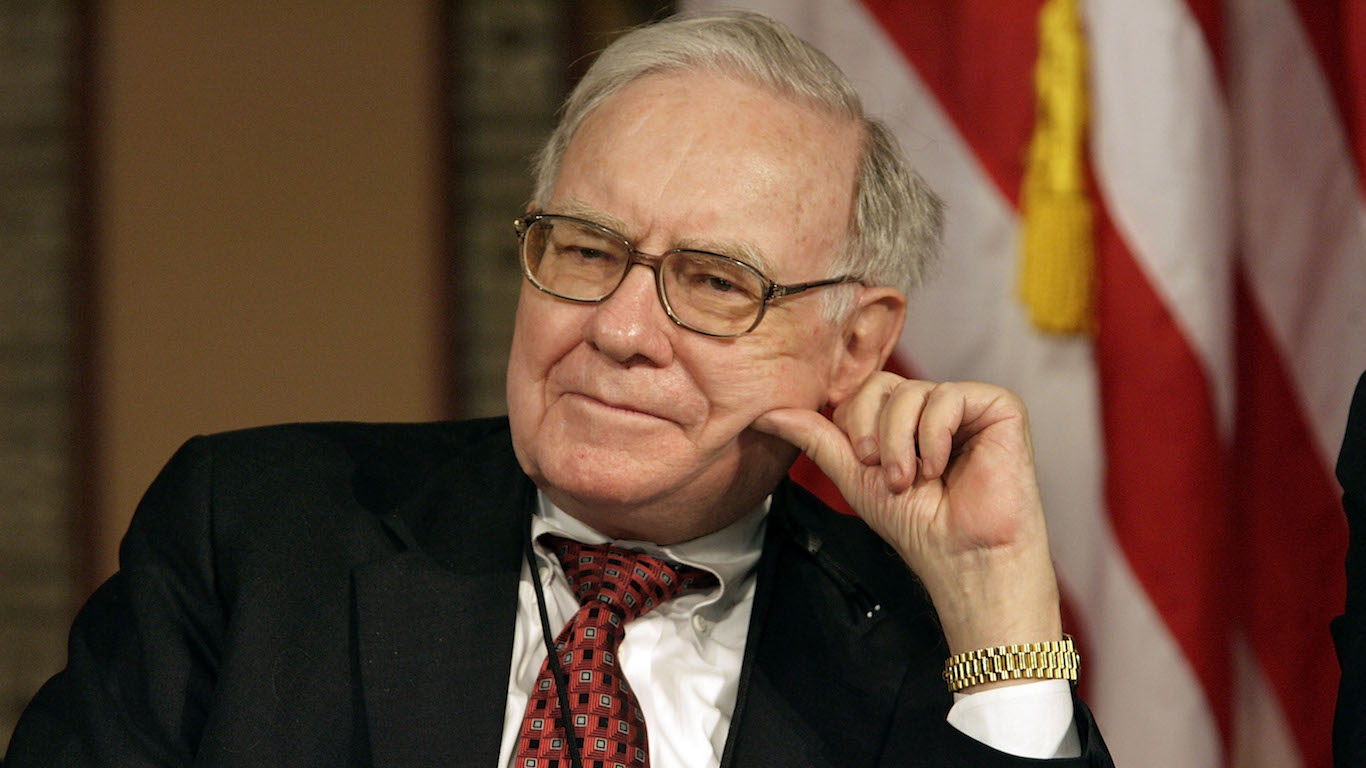
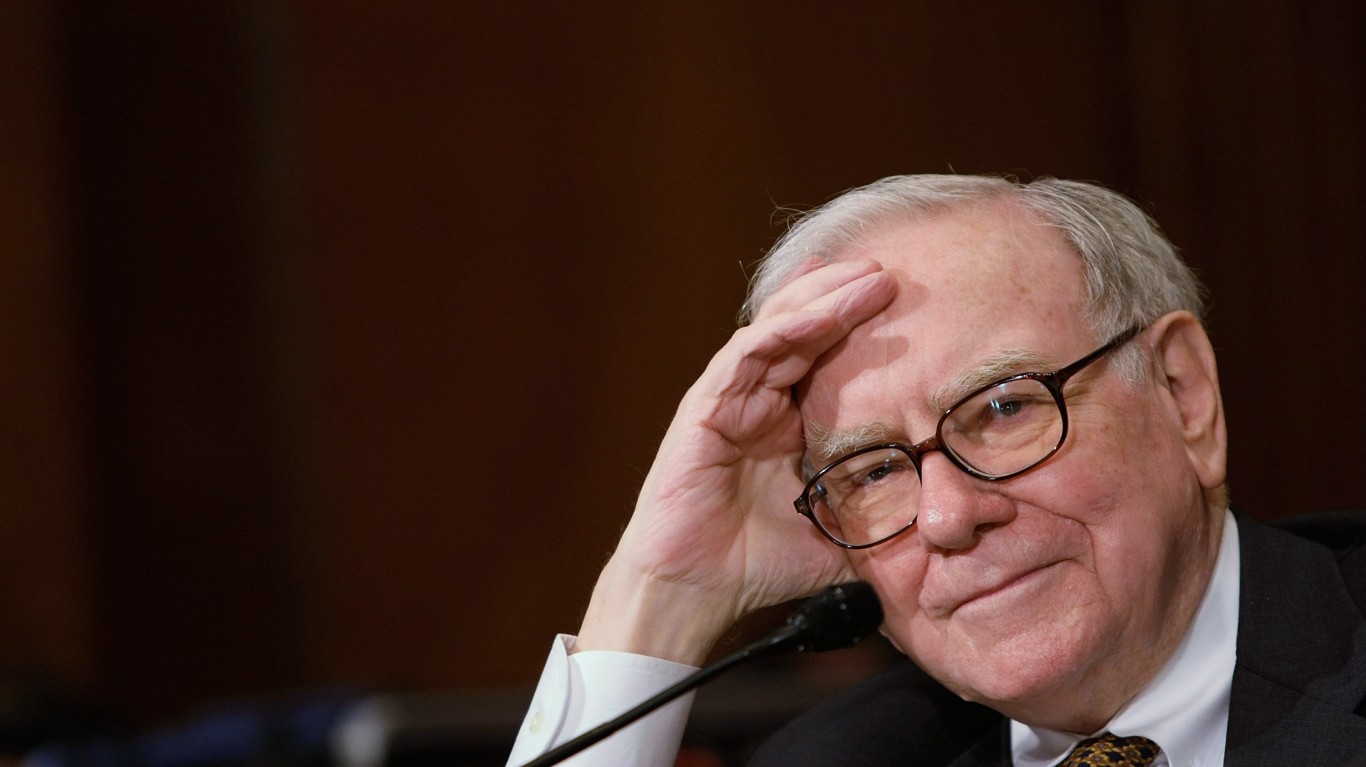
Legendary investor Warren Buffett remains a towering figure in the financial world. Even as he prepares to step away from the day-to-day investment decisions at Berkshire Hathaway (NYSE:BRK-A | BRK-A Price Prediction)(NYSE:BRK-B), his every move is scrutinized for clues about market sentiment. His conglomerate, a sprawling empire of insurance, railroads, energy, and consumer brands, has long been a beacon of value investing.
Yet, even as the S&P 500-tracking exchange-traded fund Vanguard S&P 500 ETF (NYSEARCA:VOO) soars to new record highs this year, Buffett’s latest strategy has raised eyebrows: Berkshire Hathaway is sitting on a staggering $344.1 billion cash pile, one of the largest in its history.
This massive liquidity, coupled with Buffett’s decision to be a net seller of stocks for 11 consecutive quarters, including $4.5 billion in equities dumped in the first half of 2025, has sparked intense debate. Is the Oracle of Omaha bracing for a market downturn, or is this a calculated move to seize future opportunities?
As investors ride the market’s bullish wave, Buffett’s cautious stance demands a closer look.
Economic Headwinds and Tariff Concerns
The Wall Street Journal’s coverage of Berkshire Hathaway’s second-quarter earnings provides critical insights into Buffett’s cash-hoarding strategy.
Berkshire reported operating earnings of $11.16 billion, down 4% year-over-year, with a notable $3.8 billion write-down on its Kraft Heinz (NYSE:KHC) stake, signaling a pragmatic approach to underperforming investments. Despite the S&P 500’s robust performance, Buffett’s conglomerate has refrained from share buybacks and has continued to sell equities, a trend that contrasts sharply with the market’s exuberance.
The WSJ highlights Berkshire’s warning about the potential economic fallout from escalating U.S. tariffs under President Donald Trump, set to take effect August 7. These tariffs could disrupt Berkshire’s diverse businesses, from railroads to consumer goods like Fruit of the Loom, with the company noting that “tensions from developing international trade policies” pose significant risks. This geopolitical and economic volatility appears to be a key driver of Buffett’s conservative approach.
Liquidity as a Strategic Weapon
Buffett’s cash stockpile, down slightly from $347.7 billion in Q1, reflects a deliberate choice to prioritize liquidity over aggressive investments. The WSJ underscores that Berkshire’s cash is largely parked in U.S. Treasury bills, a safe haven yielding steady returns.
This move suggests Buffett is waiting for undervalued opportunities, adhering to his famous mantra of buying a dollar’s worth of assets for 40 cents. The absence of buybacks, despite a 10% drop in Berkshire’s stock price from its peak, further indicates Buffett’s belief that even his own shares may not meet his stringent value criteria.
The S&P 500’s all-time highs, driven by tech giants and speculative fervor, may simply lack the “margin of safety” Buffett demands. His reluctance to deploy capital could signal skepticism about the sustainability of current valuations, especially in a market where growth stocks dominate while value opportunities remain scarce.
Preparing for Transition and Opportunity
Buffett’s succession plan adds context to his strategy. With his announced departure as CEO by the end of the year and Greg Abel set to take the helm, Buffett may be positioning Berkshire for stability during this transition.
The WSJ notes Buffett’s confidence in Abel, who has overseen non-insurance operations such as energy and railroads. The cash hoard could serve as a buffer for Abel to navigate unforeseen challenges, from tariff-related disruptions to potential market corrections.
Berkshire’s diversified portfolio, while resilient, faces headwinds in sectors like insurance, where underwriting profits dipped, and consumer brands, where revenues fell due to trade uncertainties.
By holding cash, Buffett ensures flexibility to capitalize on distressed assets or acquisitions if market conditions shift, a tactic he’s employed during past crises like 2008.
Key Takeaways
So, why is Buffett hoarding cash while the S&P 500 hits new peaks? It’s a blend of caution and opportunism. The WSJ’s report suggests he’s wary of overvalued markets, geopolitical risks, and tariff impacts, choosing instead to preserve capital for better opportunities.
His cash pile isn’t a bet against the market but a strategic reserve, reflecting his disciplined, long-term philosophy. As the market celebrates highs, Buffett’s restraint signals a timeless lesson: patience often precedes profit.
Contact [email protected] for any questions or corrections.
After two decades of patrolling the dark corners of suburbia as a police officer, Rich Duprey hung up his badge and gun to begin writing full time about stocks and investing. For the past 20 years, he’s been cruising the markets looking for companies to lock up as long-term holdings in a portfolio while writing extensively on the broad sectors of consumer goods, technology, and industrials. Because his experience isn’t from the typical financial analyst track, Rich is able to break down complex topics into understandable and useful action points for the average investor. His writings have appeared on The Motley Fool, InvestorPlace, Yahoo! Finance, Money Morning, and, of course, 24/7 Wall St. He has been featured in both U.S. and international publications, including MarketWatch, Financial Times, Forbes, Fast Company, and USA Today.