Is Solana or XRP the Real Ethereum Killer?
Solana (CRYPTO: SOL) is now processing more weekly DEX volume than Ethereum (CRYPTO: ETH). XRP (CRYPTO: XRP) clears cross-border transactions in less than five seconds, while banks need anywhere from one to three days for the same settlement. Both networks…

This post may contain links from our sponsors and affiliates, and Flywheel Publishing may receive compensation for actions taken through them.

Solana (CRYPTO: SOL) is now processing more weekly DEX volume than Ethereum (CRYPTO: ETH). XRP (CRYPTO: XRP) clears cross-border transactions in less than five seconds, while banks need anywhere from one to three days for the same settlement. Both networks have supporters who believe theirs will be the one to make Ethereum irrelevant.
Ethereum still dominates the institutional capital pool, and neither Solana nor XRP has seriously threatened that position yet. Understanding which one is actually catching up requires looking at where Ethereum still leads and where each competitor is genuinely winning.
What Ethereum Still Controls
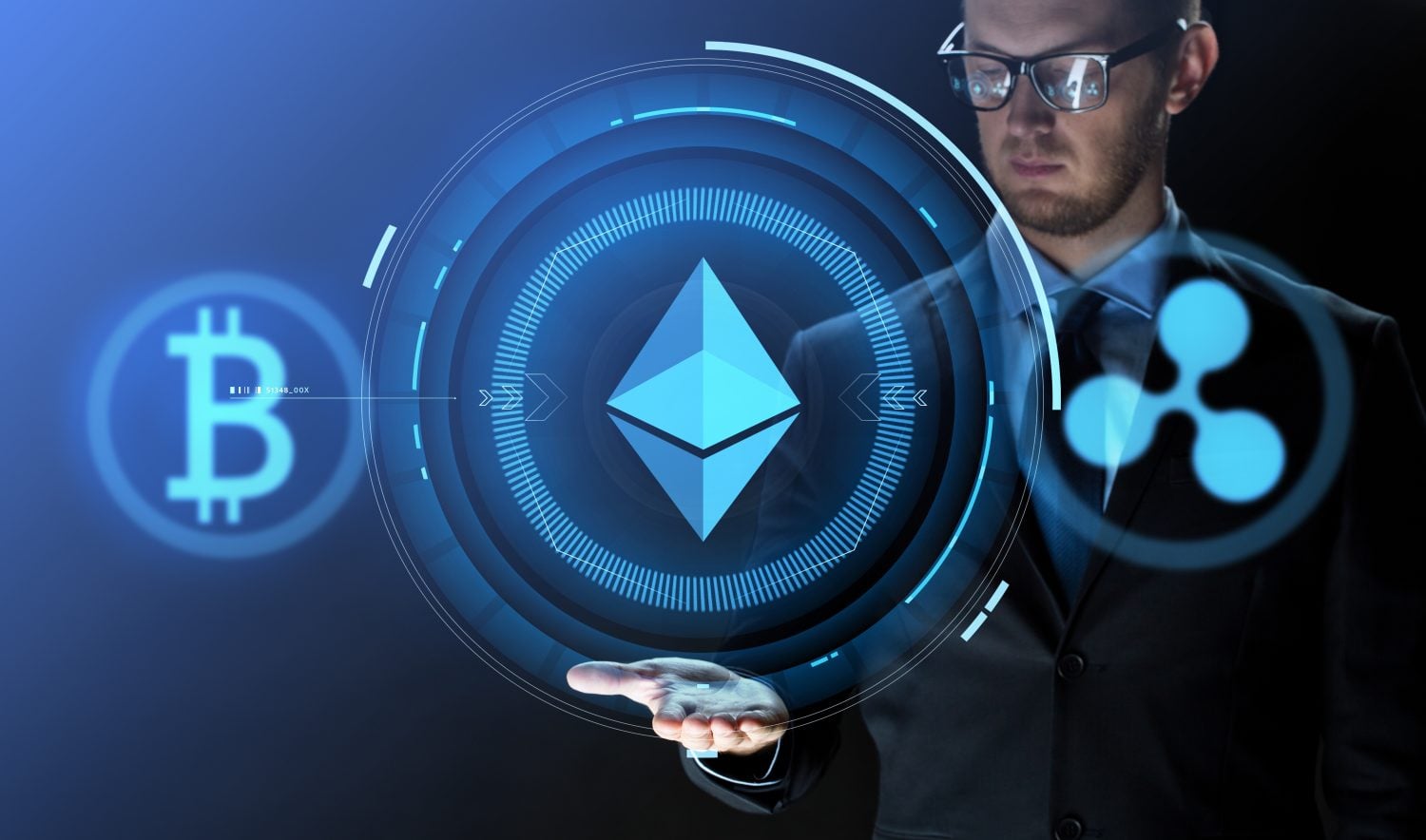
Ethereum holds $45.5 billion in DeFi TVL, representing roughly 53% of the global DeFi market as of May 2026. The network has 31,869 active developers compared to Solana’s 17,708, and tokenized US Treasury products on Ethereum hit a record $8 billion in May 2026, doubling within six months. Institutions like JPMorgan, BlackRock, and Franklin Templeton are actively building tokenization products on top of Ethereum infrastructure.
The Glamsterdam upgrade targeting Q3 2026 aims to push throughput significantly higher and cut base layer fees further, which would remove the loudest remaining complaints about using Ethereum at scale. That is the infrastructure Solana and XRP are both trying to displace, and neither has done it yet.
What Solana Has Actually Built Against Ethereum
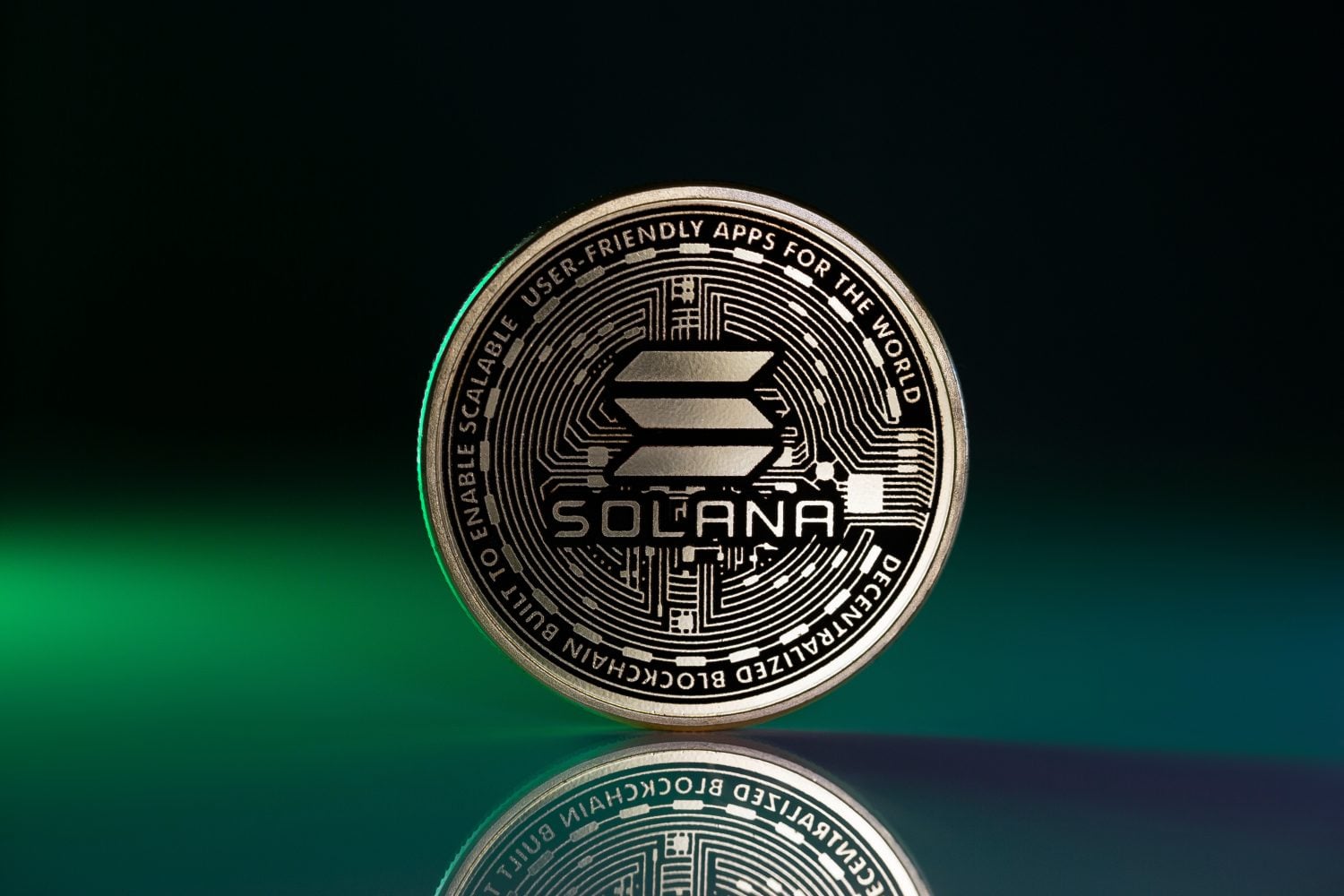
Solana’s weekly DEX volume hit $11.49 billion in April 2026, outpacing Ethereum’s $7.62 billion on the base layer. Solana’s daily active addresses run more than six times Ethereum’s, and the cost difference is dramatic: Solana charges around $0.00025 per transaction, while Ethereum charges $0.50 to $3.00 for a simple transaction.
In December 2025, Jump Crypto’s Firedancer client launched on the Solana mainnet after three years of development, targeting a long-term goal of 1 million transactions per second. Current production throughput on Solana runs in the 3,000-5,000 TPS range, compared to Ethereum mainnet at 15-30 TPS.
The Alpenglow upgrade, currently in validator testing after entering a community test cluster on May 11, would cut transaction finality from 12.8 seconds to between 100 and 150 milliseconds. Solana co-founder Anatoly Yakovenko said at Consensus Miami 2026 that Alpenglow could reach mainnet as early as Q3 2026 if testing goes smoothly.
Finality in less than 150 milliseconds would make Solana faster than almost all existing payment infrastructure, creating a gateway for real-time order books and tokenized financial products that settle as fast as they trade. The risk is that Solana’s network revenue has fallen sharply since the meme coin boom ended, and the price needs new sources of sustained on-chain demand before the developer numbers fully translate into token performance.
Where XRP Is Making Its Move
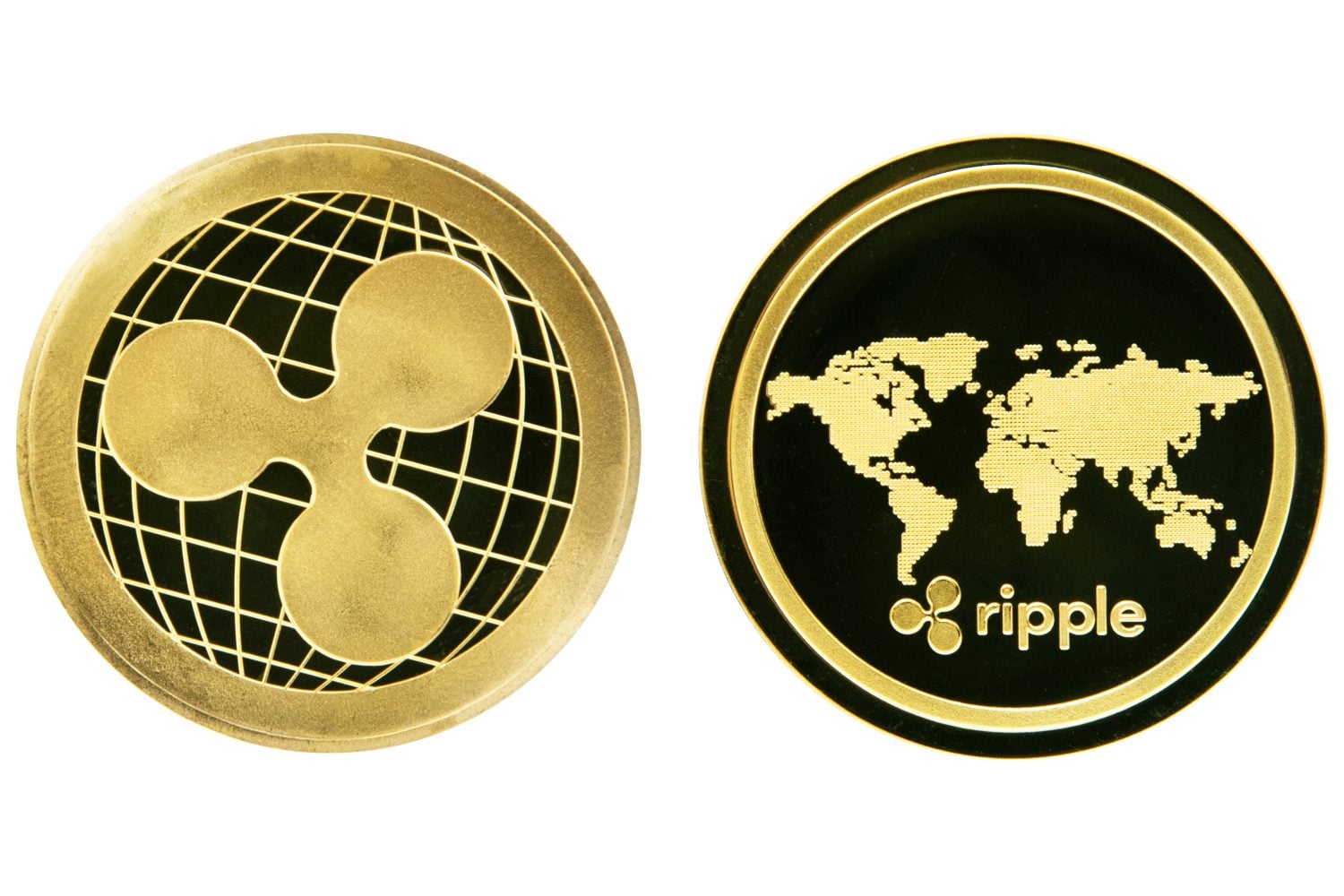
The XRP Ledger crossed $3 billion in tokenized real-world assets in late April, a 59% jump in just 30 days. On May 6, JPMorgan’s Kinexys platform, Mastercard, Ripple, and Ondo Finance settled the first cross-border, cross-bank tokenized Treasury settlement on the network, clearing in under five seconds outside normal banking hours.
Société Générale launched its euro stablecoin on XRPL in February, Aviva Investors signed a tokenization partnership with Ripple, and Deutsche Bank integrated Ripple’s software stack into its cross-border payments system.
On May 14, the Senate Banking Committee passed the CLARITY Act in a 15-9 bipartisan vote, sending the bill to the full Senate floor, where it still needs 60 votes to advance before being signed by President Trump. A permanent commodity classification under federal law removes the legal uncertainty that has kept the largest institutional pools cautious.
However, in the JPMorgan Treasury pilot, the settlement ran through RLUSD, Ripple’s dollar stablecoin, while XRP only covered minimal network fees of around $0.0002 per transaction. Banks are building on the ledger without necessarily demanding the token, and the disconnect between ledger activity and actual token demand is the argument XRP still has to answer.
Which One Is the Real Ethereum Killer?
Neither is an Ethereum killer in the traditional sense. Solana is winning the high-throughput consumer activity race, taking DEX volume and daily active users in ways Ethereum’s mainnet cannot match on cost alone. XRP is winning the institutional settlement race, securing the bank partnerships and legislative progress. Ethereum is still winning the deep liquidity and developer infrastructure race by a margin neither challenger has seriously threatened yet.
For investors, the more useful question is which one benefits most from what is already in motion. Solana has Alpenglow pushing toward a Q3 mainnet launch and a growing developer base. XRP has the CLARITY Act and institutional partnerships that keep arriving even as the token price stays flat. Both are trading well below their 2025 highs.
Which one catches up to Ethereum first depends on whether Solana’s upgrade cycle drives new sustained demand, or whether XRP’s legislative catalyst finally converts ledger activity into token demand.
Contact [email protected] for any questions or corrections.
Sam Daodu is a crypto analyst who's spent nearly a decade making blockchain understandable—no easy task when most whitepapers read like fever dreams. He writes for 24/7 Wall St., covering Bitcoin, altcoins, and crypto market analysis for investors. Before crypto, he was a tech writer (back when explaining "the cloud" was peak innovation). Since 2018, he's written for CoinTelegraph, Yahoo Finance, The Block, Cryptonews, Zypto, Rain, and more—basically anywhere people want crypto news without the headache. Sam runs MacLabs Marketing, a content agency for crypto brands tired of sounding like AI wrote their website. He also publishes free crypto education on his site for Web3 enthusiasts who think "gas fees" is a typo. When he's not writing or staring at charts, Sam's either: - Watching anime (currently convinced One Piece has better tokenomics than most altcoins) - At the gym sculpting himself into a Greek god - Listening to the music your mum warned you only bad boys listen to Connect: LinkedIn | Email | MacLabs Marketing