Psychological Tricks Stores Use to Make You Spend More
Most shoppers like to believe they make purchasing decisions entirely on their own. However, retailers put enormous amounts of time and money into studying consumer psychology. Many aspects of shopping are carefully designed to encourage greater spending, including store layouts…

This post may contain links from our sponsors and affiliates, and Flywheel Publishing may receive compensation for actions taken through them.
Most shoppers like to believe they make purchasing decisions entirely on their own. However, retailers put enormous amounts of time and money into studying consumer psychology. Many aspects of shopping are carefully designed to encourage greater spending, including store layouts and pricing strategies. These techniques are often so subtle that customers do not realize they are being influenced. While none of these methods literally force people to buy things, they can make resisting temptation more difficult. Here are some psychological tricks stores use to make you spend more.
1. Strategic Store Layouts
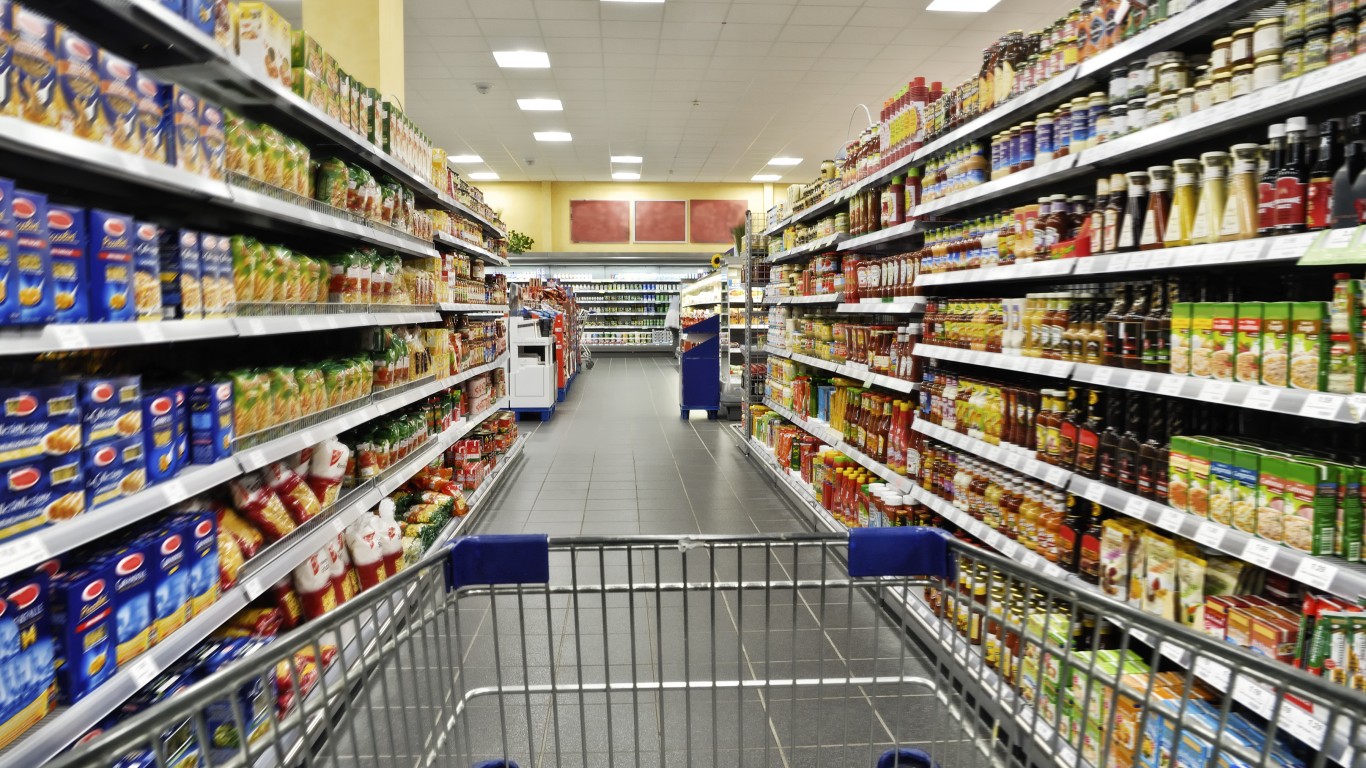
Many stores place essential items near the back of the building. Customers looking for milk, bread, or other necessities must walk past countless products along the way. This increases the chances of shoppers making unplanned purchases. The longer people stay in a store, the more likely they are to spend money. The layout of any particular store is rarely accidental.
2. Shopping Carts That Are Too Big
Shopping carts are now substantially larger than they used to be. Bigger carts make purchases look smaller by comparison. A half-full cart can make customers think, “Well, I’m not really buying that much.” This encourages shoppers to keep adding items. Studies suggest people often buy more when using bigger carts. It is a simple design manipulation with a surprisingly large effect.
3. Ending Prices in .99
Prices ending in .99 are common for a reason. Psychologically, consumers perceive $9.99 as significantly cheaper than $10.00, despite the difference of a mere cent. This phenomenon is known as charm pricing, and retailers have used it for decades. The strategy continues to heavily influence buying behavior today.
4. Limited-Time Offers
Nothing motivates spending quite like urgency. Signs announcing limited-time sales encourage customers to act quickly or risk missing out. People worry they may suffer the consequences if they wait too long. This fear of missing out can override careful decision-making. Retailers understand all too well that feelings of urgency can drive purchases.
5. Pleasant Scents
Many stores use fragrances to influence customer behavior. Bakeries may pump the smell of fresh bread through the building. Clothing stores often use signature scents to create an appealing atmosphere. Pleasant smells can encourage shoppers to stay longer. The longer customers browse, the greater the likelihood of spending money.
6. Product Placement at Eye Level
Manufacturers of goods pay premium fees to have their products displayed at eye level. Items located in these prime shelving positions get more attention from browsing shoppers because consumers tend to choose the options they notice first. Children’s cereals are often placed at children’s eye level for the same reason. Ultimately, shelf placement can have a major impact on sales.
7. Background Music
The music playing in a store is usually carefully selected. Slow music encourages shoppers to be calm and move more leisurely through the aisles. Faster music can increase traffic flow, which can be beneficial to crowded establishments. Studies have shown that certain genres may even influence the types of products customers purchase. Background tunes affect behavior more than many people realize.
8. Impulse Displays at Checkout
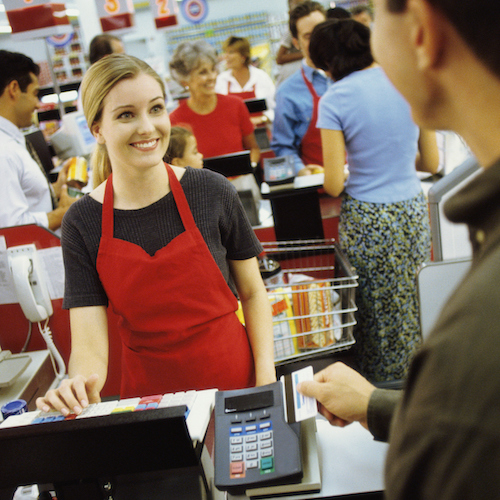
Popular impulse buys like candy, magazines, drinks, and small gadgets often sit near checkout lanes. Retailers know that by the time shoppers make it to the checkout, the psychological phenomenon known as decision fatigue has likely set in. After perusing the entire store, mental energy is running low and resisting temptation is harder. Those last-minute purchases can add up surprisingly quickly.
Contact [email protected] for any questions or corrections.