The Psychology Behind Impulse Spending
We’ve all purchased something impulsively at one point or another. Sometimes it’s a small grab at the checkout line, while other times it’s a major purchase made out of anxiety. The psychology surrounding impulse spending is quite fascinating. It is…

This post may contain links from our sponsors and affiliates, and Flywheel Publishing may receive compensation for actions taken through them.
We’ve all purchased something impulsively at one point or another. Sometimes it’s a small grab at the checkout line, while other times it’s a major purchase made out of anxiety. The psychology surrounding impulse spending is quite fascinating. It is almost always less about the item or service purchased and more about emotion and human perception. Marketers, stores, and online platforms understand this psychology quite well. And they are happy to exploit it by creating ad campaigns that trigger us into buying things we likely don’t need. While occasional spontaneous purchases are normal, and perhaps expected in today’s world, repeated impulse spending can damage your finances. As with many behaviors, understanding the why behind the act can be enlightening and make it easier for people to catch themselves engaging in these habits.
Emotional Spending
Many impulse purchases happen because shoppers are trying to improve their mood, whether consciously or not. This is where the term “retail therapy” comes from. Shopping can temporarily distract us from a range of negative emotions like stress, sadness, boredom, loneliness, or frustration. Physiologically, buying something creates a short burst of dopamine in the brain, which feels exciting. Unfortunately, this emotional boost fades quickly. Just like with a drug, the high won’t last long and you’ll be left looking for the next. And unlike with traditional talk therapy, the purchase will not address any underlying trauma or stressors, so it’s not actually therapeutic. Next time you’re reaching for the impulse buy, ask yourself if there’s a particularly pesky feeling you’re avoiding. The comfort you’re seeking won’t last long if it’s the kind you can pay for in a store.
Fear of Missing Out
Advertisers know that FOMO is all too real. They tap into these anxieties by putting on limited-time sales or alerting us that the dress we’re shopping online is quickly selling out, with “only a few left in stock”. These warnings trigger urgency in many shoppers, and urgency leads to stress and poor decision making. People naturally fear lost opportunities. This is especially so when products appear exclusive and consumers want to be in on the excitement. Retailers intentionally get us to make impulsive, time sensitive decisions because they know a rushed choice is usually poorly thought-out. Even when individuals were not planning to buy an item initially, seeing that they might miss out on the “one time opportunity” can create anxiety that overrides logical thinking surprisingly fast.
Instant Gratification
Humans are naturally drawn toward rewards. And having rewards immediately has been ingrained in us over recent decades. In a world where movies are streamed instantly, food is dropped at doorsteps, and transactions occur with a single click, it seems we have lost all our patience. And when it comes to saving money, patience is a requirement. Impulse purchases offer an immediate payoff, and the brain is good at prioritizing instant pleasure, however fleeting it may be. Credit cards and Amazon culture make acting on these impulses even easier because purchases can happen with very little thought or effort. Challenging yourself to wait a bit before buying an item can help interrupt this tendency. Rest assured, the item will almost certainly still be there later if you decide it’s a must-buy.
Social Media Influence
Social media is constantly exposing us to new trends and sought-after lifestyles. These posts and videos encourage us to spend money so we can get in on the fun too. In many cases, people buy things not because they truly want them, but because they want to feel included. There’s a good evolutionary reason for this. In hunter gatherer days, being an outsider meant you were vulnerable to danger. Modern advertising and influencers understand this psychological link and they’re more than happy to use it against us. To add to the manipulation, influencers have a way of making expensive purchases look normal, as though everyone is out there buying them. They also make items seem emotionally rewarding, like that exact hoodie could change your life. Whether friends, celebrities, or strangers, seeing others enjoy these products triggers comparison, leading to feelings of inadequacy. And we will do a lot to rid ourselves of these feelings, including spend money we don’t have.
Shopping as Entertainment
For many people, shopping itself has become a hobby. And the more you shop, the more you find things you want or think you might need. Physically browsing stores or shopping online can be stimulating and exciting. After all, you never know what you might find! Chronic shoppers enjoy the activity even without a specific need. When we’re having fun, spending feels recreational and somehow completely separate from finances. Like social media sites, online shopping apps have algorithms designed to keep users engaged for as long as possible. The more we look, the more we buy. The second we step foot into a store, whether virtually or physically, impulse purchases become way more likely.
Decision Fatigue
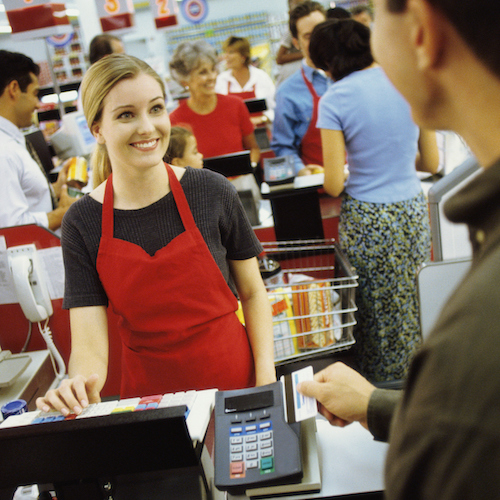
There’s a reason stores place impulse items at the checkout. By the time shoppers reach the register, they have already spent considerable mental energy making decisions, and exhaustion sets in. And shopping is only part of the equation. Throughout the day, people make countless decisions, and this constant decision-making slowly weakens self-control. This effect is known as decision fatigue. By the time we reach the checkout (or the later part of the day), mental reserves are depleted and our ability to refuse temptation is significantly reduced. The brain just defaults to whatever option feels easiest or most rewarding in the moment. After stressful days, resisting unnecessary purchases becomes even harder. It’s well documented that impulse spending tends to increase when people are tired or overwhelmed.
Contact [email protected] for any questions or corrections.