The Overlooked Fidelity Fund That’s Already Up 84% Over Twelve Months on a Forgotten Thesis
A $10,000 position in Fidelity Clean Energy ETF (NYSEARCA:FRNW) on the last trading day of 2025 was worth about $13,330 by the close on June 4, 2026, a 33% run in a little over five months. The same money in…

This post may contain links from our sponsors and affiliates, and Flywheel Publishing may receive compensation for actions taken through them.
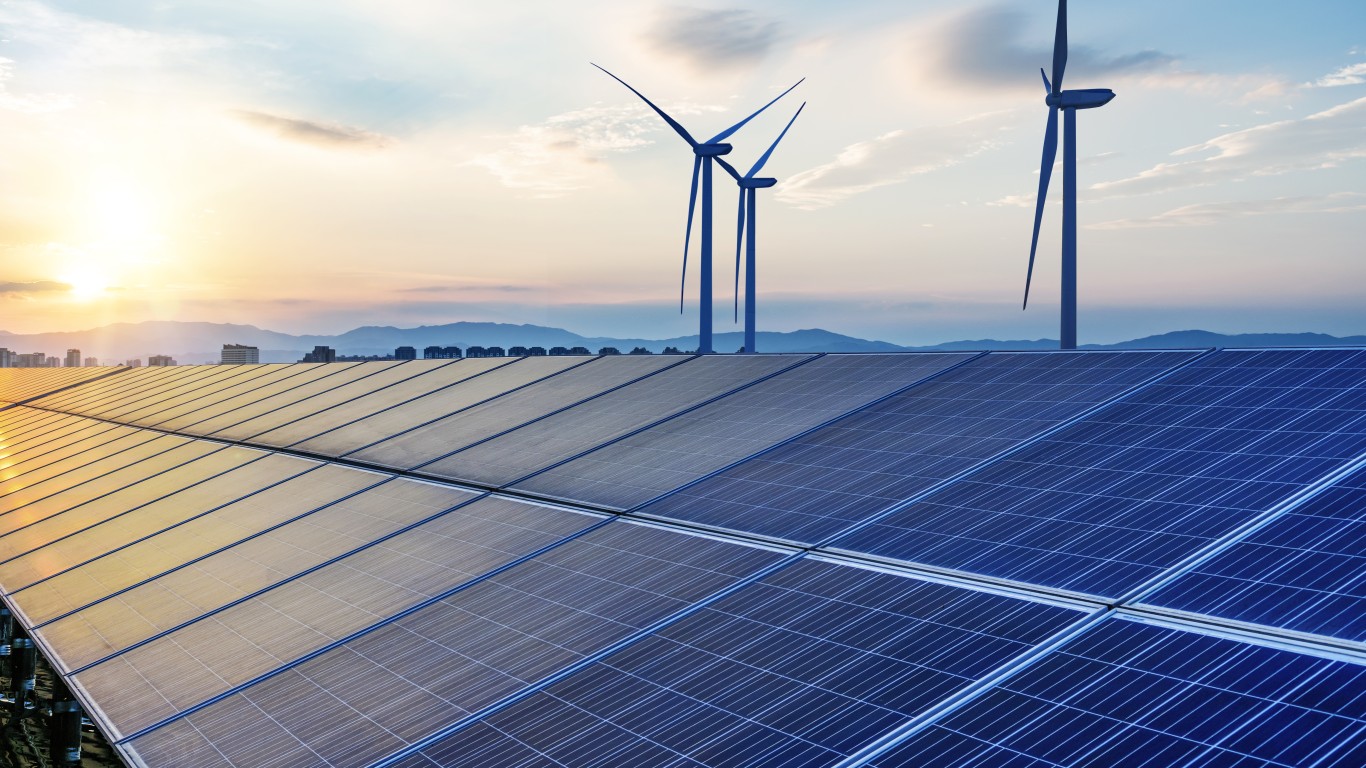
A $10,000 position in Fidelity Clean Energy ETF (NYSEARCA:FRNW) on the last trading day of 2025 was worth about $13,330 by the close on June 4, 2026, a 33% run in a little over five months. The same money in SPY would have grown to about $11,100, an 11% return over the identical window. FRNW has roughly tripled the S&P 500 year to date, which is the kind of headline that draws a crowd, and almost none of it is happening for the reason the fund’s name suggests.
The Arithmetic of a Quiet Fidelity Run
FRNW is a small, plain-vanilla index ETF from Fidelity’s Covington Trust lineup, with a 0.39% net expense ratio and just $63.75 million in net assets as of the March 31, 2026 NPORT filing. The fund opened the year at $20.30 and closed June 4 at $27.06. Over the trailing twelve months the move is even more striking, about 84% versus the S&P 500’s about 27%. Five-year returns tell a more honest story about the category, with FRNW up just about 11% since October 2021 while the S&P 500 returned about 79% over the same horizon. Clean energy has been the place capital went to die for most of this decade. Something changed.
The change driving the run is electricity demand from data centers, and FRNW happens to own the picks-and-shovels names that sell into that demand.
What Is Actually Doing the Work
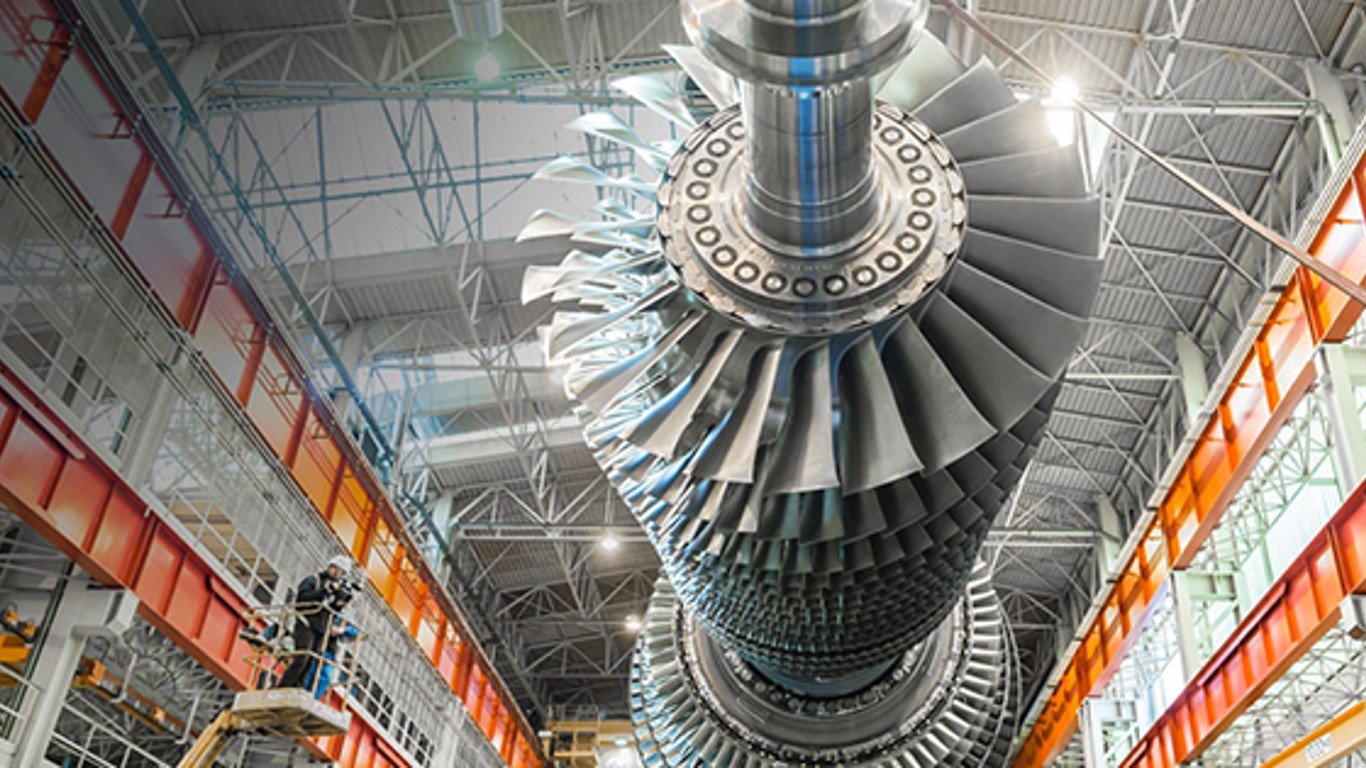
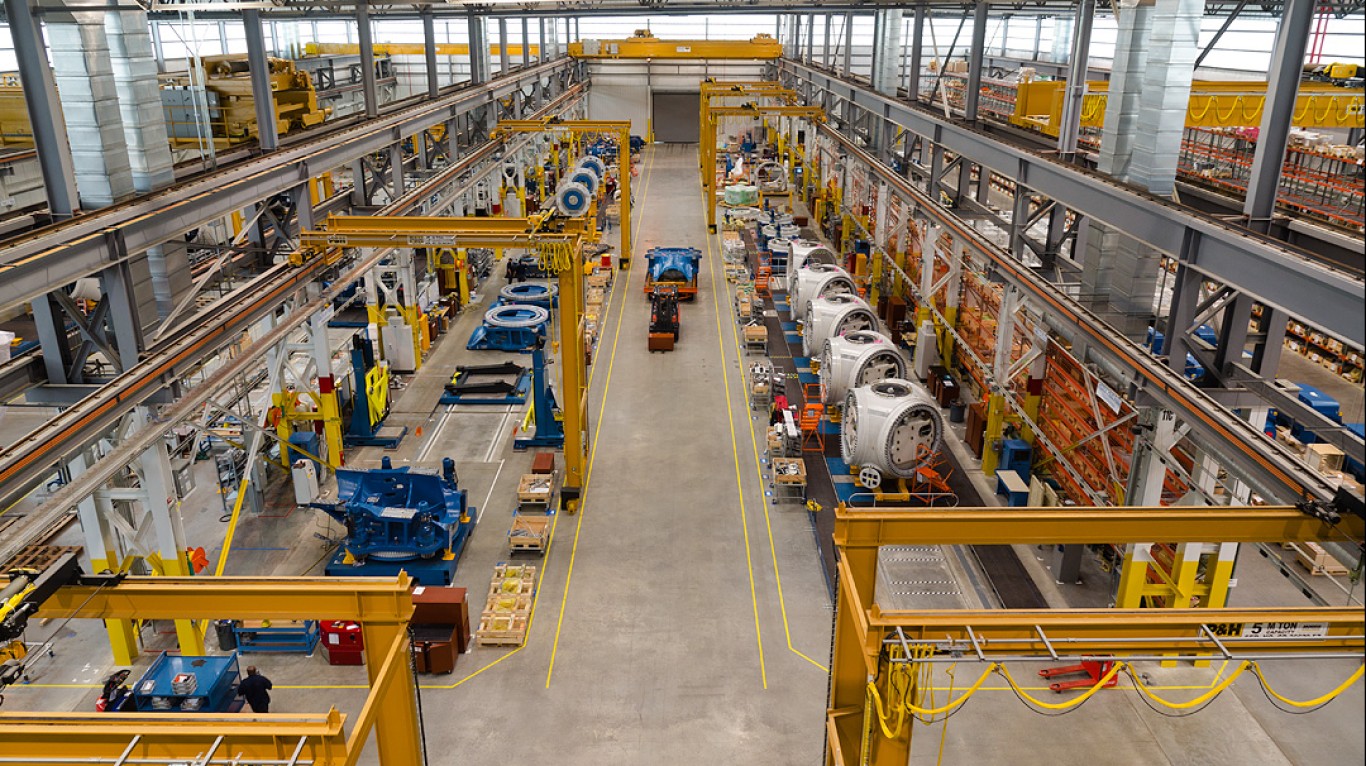
FRNW’s biggest U.S. equity position is GE Vernova (NYSE:GEV | GEV Price Prediction) at 4.42% of net assets, and GEV is up 47.59% year to date. GE Vernova’s Q1 2026 report is the document that explains the ETF. The company booked $18.3 billion in orders, up 71% organically, and called out $2.4 billion of Electrification equipment orders for data centers in a single quarter, which exceeded all of 2025. CEO Scott Strazik told investors that "demand is accelerating for our Power and Electrification solutions from a diverse set of customers, with our backlog growing by more than $13 billion quarter-over-quarter." Management raised 2026 revenue guidance to $44.5 billion to $45.5 billion and free cash flow to $6.5 billion to $7.5 billion. The stock trades at 28x trailing earnings and 34x forward, with analysts carrying a consensus target of $1,216.
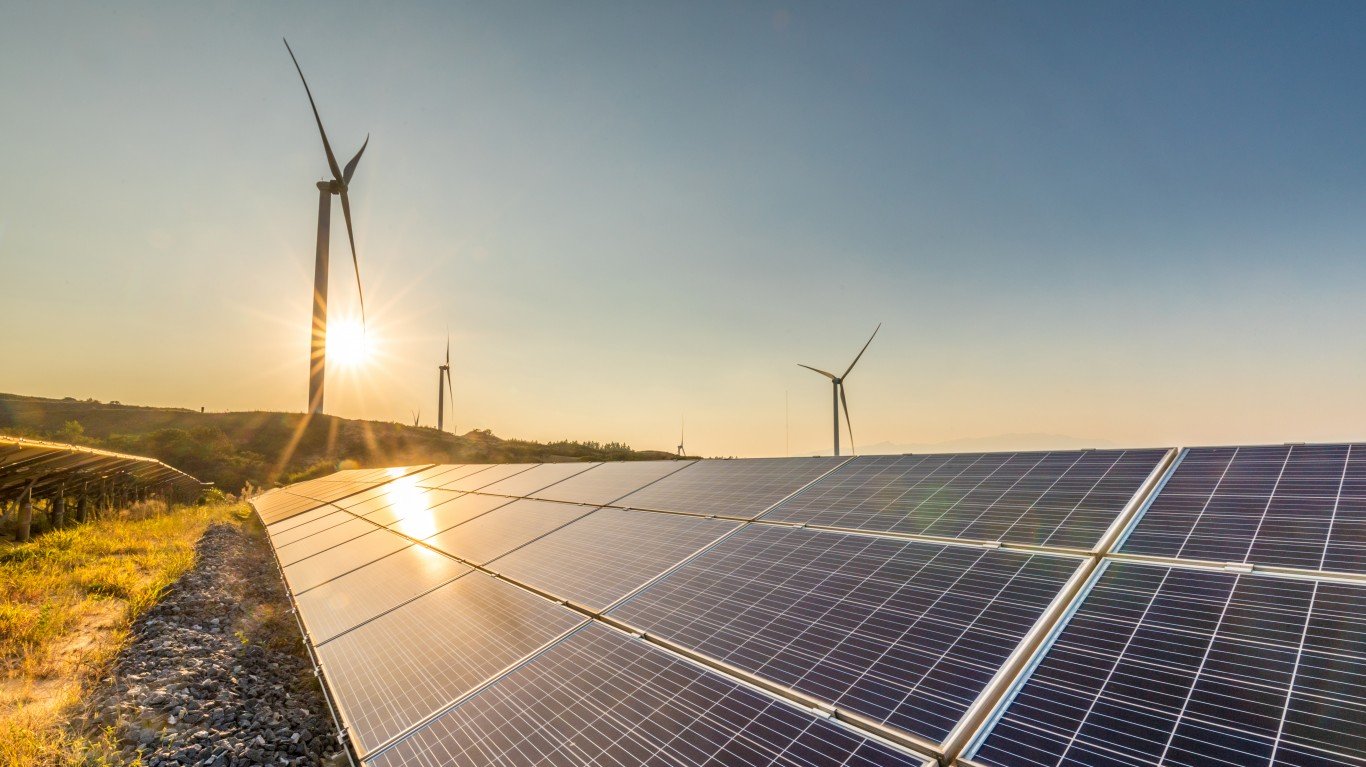
Ormat Technologies (NYSE:ORA), a 2.67% FRNW position, is up 29.21% YTD on the same thesis dressed in different clothes. Ormat sells geothermal baseload, which is exactly what a hyperscaler needs when its data center wants 24/7 carbon-free electrons and a 15-year price lock. In Q1 the company posted revenue of $403.9 million, up 75.8% year over year, with adjusted EPS of $1.30 against a $0.90 consensus. CEO Doron Blachar tied the run directly to the AI buildout, citing "a 15-year portfolio PPA of up to 150MW to supply Google’s data center electricity needs through NV Energy, and a 20-year agreement with Switch for approximately 13MW from the Salt Wells power plant." The stock now trades at a steep 70x earnings, which is the part of the story Wall Street is still arguing about.
First Solar (NASDAQ:FSLR) sits at 4.14% of the fund and is up 20.56% YTD, with most of that move concentrated in the past month. The thesis here is policy more than physics. First Solar’s Q1 2026 guidance assumes $2.10 billion to $2.19 billion of Section 45X manufacturing tax credits this year, all of which flow to the bottom line. CEO Mark Widmar framed the competitive position around "a domestic manufacturing footprint, and independence from Chinese crystalline silicon supply chains." Q1 revenue of $1.04 billion came with a 50% adjusted EBITDA margin, which is what happens when Washington pays you to build solar panels in Louisiana.
And then there is the lottery ticket. Plug Power (NASDAQ:PLUG) is a tiny 1.52% of the fund but is up 82.74% YTD off a depressed base, and up 287% over the trailing year. Q1 GAAP gross margin came in at negative 13%, which sounds terrible until you remember it was negative 55% a year earlier. New CEO Jose Luis Crespo is targeting positive EBITDAS in Q4 2026. Reddit’s wallstreetbets crowd noticed in May, with sentiment scores running 82 to 88 on a short-squeeze thesis. PLUG still burns ~$150 million of operating cash a quarter, which is the part the squeeze chatter tends to leave out.
The Unifying Tailwind, Not the Sentiment Trade
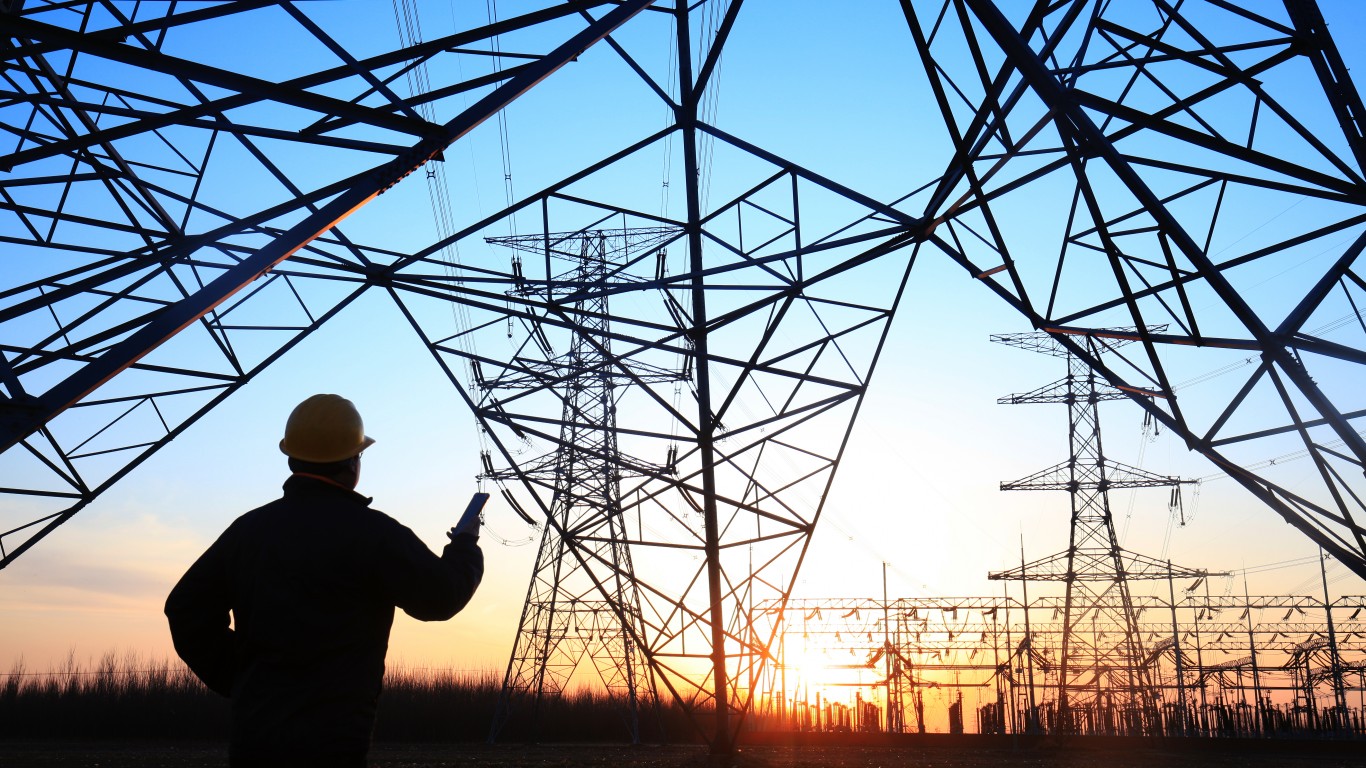
What ties these four names together is one chart from the EIA. The Annual Energy Outlook 2026 notes that after 15 years of nearly flat U.S. electricity consumption, demand has increased by 2.1% per year, on average, over the last five years, with data center server energy projected to grow more than 16 times its 2020 level by 2050 in the high-demand case. Hyperscalers are signing 15- and 20-year contracts for electrons today because they cannot wait three years for a grid interconnect tomorrow. FRNW happens to own grid equipment makers, geothermal developers, domestic solar manufacturers, and a hydrogen call option. The fund’s index construction got lucky on what would matter in 2026.
The international portion of the book has not been the story. Vestas Wind Systems is FRNW’s largest position at 5.15%, with Ørsted, EDP, Acciona, and a handful of Chinese solar names rounding out the geography. Several of those have been dead money. The U.S. names did the lifting.
What Would Have to Hold for a Repeat
The conditions that produced this run are intact but no longer cheap. GE Vernova has tripled off the March 2024 spinoff price of $130.77 and now trades at 98x EV/EBITDA, a multiple that requires the data center order book to keep growing at the pace it did in Q1. Ormat at 70x earnings needs each new hyperscaler PPA to ratify the multiple. First Solar’s earnings depend on Section 45X surviving in its current form, and the One Big Beautiful Bill Act of 2025 leaves the credits intact through 2030 with a phase-out through 2033. That cliff is the single most important policy date in this fund.
Two macro variables matter most for what comes next. The 10-year Treasury sits at 4.49%, in the 95th percentile of its trailing 12-month range, and renewable developers are the most rate-sensitive cohort in the market because their projects are bond-like. A sustained move back toward the May 19 peak of 4.67% would chip away at the relief rally that started in late winter. The other variable is the hyperscaler capex line, which is the actual demand signal. Track GE Vernova’s quarterly Electrification book-to-bill, currently ~2.5x, and Ormat’s new PPA announcements. Those two data points are the leading indicators that drove the move and will drive the next one.
One last thing worth saying out loud. FRNW has $63.75 million in net assets and 13.9% sitting in cash as of the March filing. This is a small fund that benefited from owning the right names in a regime where AI capex turned into power capex. The mechanism is structural and durable. The valuations the mechanism produced are stretched. If you are walking in now, you are paying for the data center thesis, not the clean energy one, and the price tag reflects it.
Contact [email protected] for any questions or corrections.
Austin Smith is a financial publisher with over two decades of experience as an investor, analyst, and advisor. He covers stocks, ETFs, Artificial intelligence and personal finance for 24/7 Wall St. Previously, he spent over a decade at The Motley Fool as a senior editor for Fool.com, portfolio advisor for Millionacres, and launched The Ascent to help reader take control of their personal finances.
His work has been featured on Fool.com, NPR, CNBC, USA Today, Yahoo Finance, MSN, AOL, Marketwatch, and many other publications. He is as an advisor to private companies, and co-hosts The AI Investor Podcast with Eric Bleeker.
When not looking for investment opportunities, he can be found skiing, running, or playing soccer with his children. Learn more about Austin's investment approach here.