Trump Has Declared an Iran Deal Imminent 37 Times Already. When Will The Conflict Truly End?
President Donald Trump authorized U.S. participation in a major joint U.S.-Israeli offensive against Iran on February 28, 2026. The attacks were driven by several core objectives, including dismantling Iran’s nuclear capabilities, destroying its ballistic missile and naval infrastructure, and limiting…

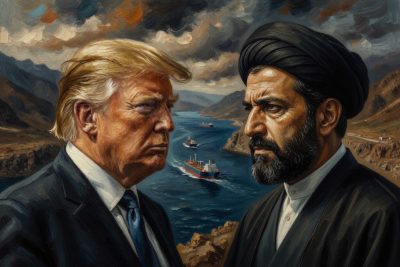
President Donald Trump authorized U.S. participation in a major joint U.S.-Israeli offensive against Iran on February 28, 2026. The attacks were driven by several core objectives, including dismantling Iran’s nuclear capabilities, destroying its ballistic missile and naval infrastructure, and limiting its influence within the region. Unfortunately, the attack has created significant geopolitical uncertainty and market volatility at home and abroad, especially after the closure of the Strait of Hormuz, through which up to 20% of the world’s crude oil and 20% of all liquefied natural gas pass daily.
Now, President Trump is eager to resolve the conflict, which has made accomplishing domestic objectives more challenging. In fact, CNN reported that since the start of the conflict through June 9, the President had stated at least 37 separate times that an Iran deal was imminent. With repeated promises of a resolution, understandably, investors and the public are eager for answers about when the conflict will truly end.
The President sends mixed signals regarding the end of the war
Early on Tuesday morning, investors gained renewed hope for an end to the Iran conflict, as the President told reporters that “we are close to a strong and powerful deal.” He also pledged that the Strait of Hormuz could open quickly after a deal was signed, “in two or three days.” And, Iran and Israel indicated they had halted attacks on each other in response to President Trump’s appeal, with this good news resulting in oil prices falling about 3% to a seven-week low.
The Administration even provided assurances that retaliatory attacks launched on Tuesday did not mean the conflict would be more prolonged, with one official stressing that “Nothing changes where the deal stands right now,” and indicating that an agreement was “still close.”
Unfortunately, on Wednesday, June 10, the President wrote on his social media account, “They’ve taken too long to negotiate a deal that would have been great for them; now they will have to pay the price!!!” The President pledged that more attacks would be forthcoming on Wednesday, but urged Iran to “start signing a paper” to end the conflict, as a Qatari delegation met with negotiators in Tehran to attempt to find consensus.
This pattern of optimistic statements followed by escalation has become a hallmark of the conflict, leaving markets on edge.
The domestic impact of the geopolitical conflict is pushing the President towards peace

While President Trump’s statements and actions are sending mixed signals, it’s clear the President is looking for an off-ramp, as the conflict has complicated his domestic agenda.
Most notably, the disruption to the oil and natural gas markets has sent energy prices surging, resulting in inflation hitting the highest level in three years. The Bureau of Labor Statistics reported on June 10 that the all-items index increased 4.2% year over year, while the index for energy rose 3.9% in May, after rising 3.8% in April and 10.9% in March. The energy index accounted for more than 60% of the monthly all-items increase.
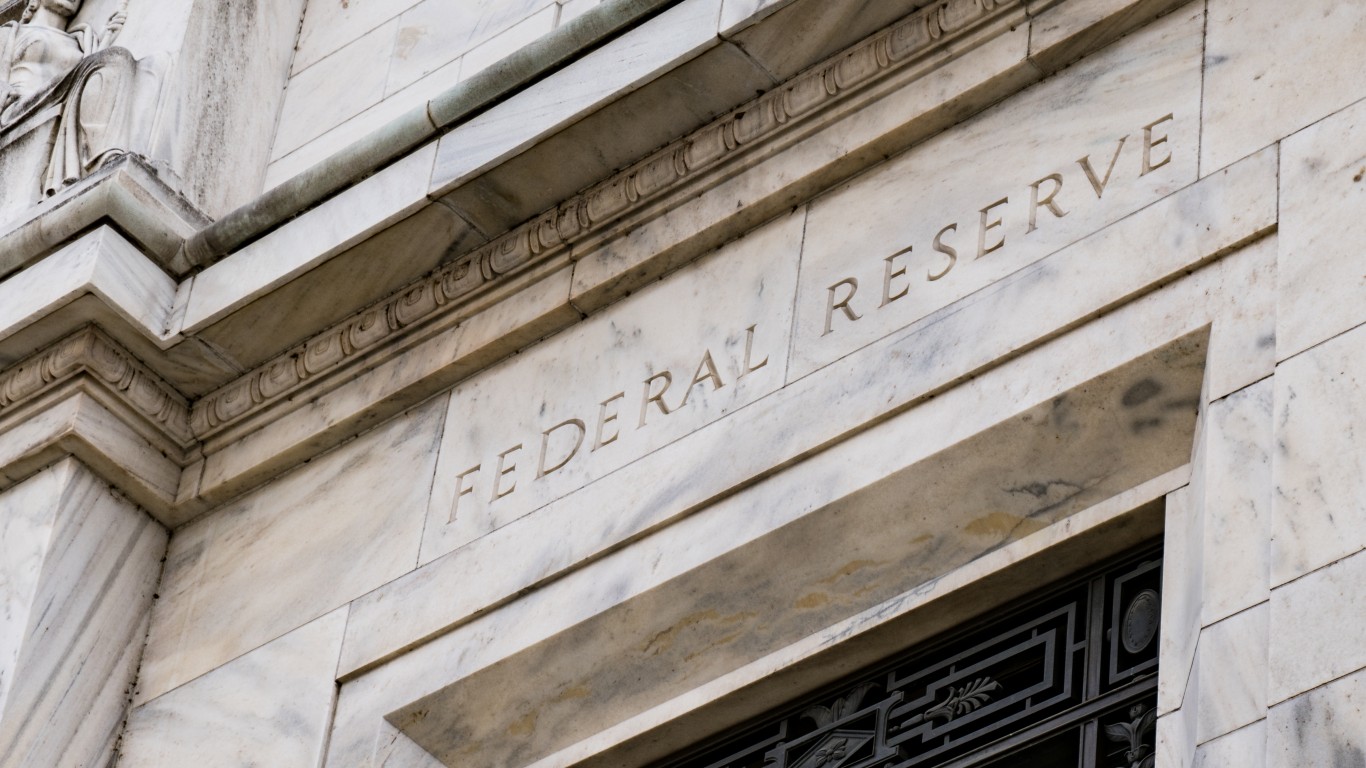
Since President Trump was elected in part based on promises of fighting the rampant inflation that was a hallmark of President Biden’s presidency, this news is not positive for the Administration. The surging inflation and resulting increase in bond yields, driven by investor concern over inflationary pressures, could potentially force the hand of new Federal Reserve Chairman Kevin Warsh. While President Trump nominated Warsh with the hopes that the new Fed chair would lower interest rates, the economic data has likely taken near-term rate cuts off the table, and analysts now see a risk of rate increases later in 2026 or 2027.
President Trump has also focused heavily on the performance of the stock market as a measure of success during his two terms in office. And while the market has seen a strong recovery since March 30th after collapsing during the early stages of the Iran conflict, the rally is largely driven by investor believe the conflict will wind down soon — as evidenced by the fact that oil futures dropped below $90 again. The reality is that oil is still 30% above where it was when the first attacks were launched in February, and while prices have bounced back, valuations have been lagging. If the “imminent” deal continues to remain out of reach, a market correction is a real possibility.
The President clearly wants to avoid both a rate increase and a market decline, so has strong motivation to end the conflict just as soon as any viable deal is on the table.
Contact [email protected] for any questions or corrections.
Christy Bieber has been a personal finance and legal writer since 2008. She has a JD from UCLA School of Law and a BA in English, Media and Communications with a certification in business from the University of Rochester.
Christy has been published by a wide variety of sites, including WSJ Buy Side, Forbes, Kiplinger, Fox Business, Credit Karma, Insurify, and Annuity.org. In addition to writing for the web, she has also ghostwritten textbooks on business and law and served as a subject matter expert for course design.