Did the Fed Just Get a Reprieve? Report of Iran Deal Could Put Rate Hikes on Hold
For much of the past several weeks, the Federal Reserve appeared to be getting backed into a corner. Inflation readings were moving higher, producer prices were accelerating, and the labor market continued showing surprising resilience. Bond traders increasingly began pricing…


For much of the past several weeks, the Federal Reserve appeared to be getting backed into a corner. Inflation readings were moving higher, producer prices were accelerating, and the labor market continued showing surprising resilience. Bond traders increasingly began pricing in the possibility that the Fed would need to raise interest rates before the end of the year.
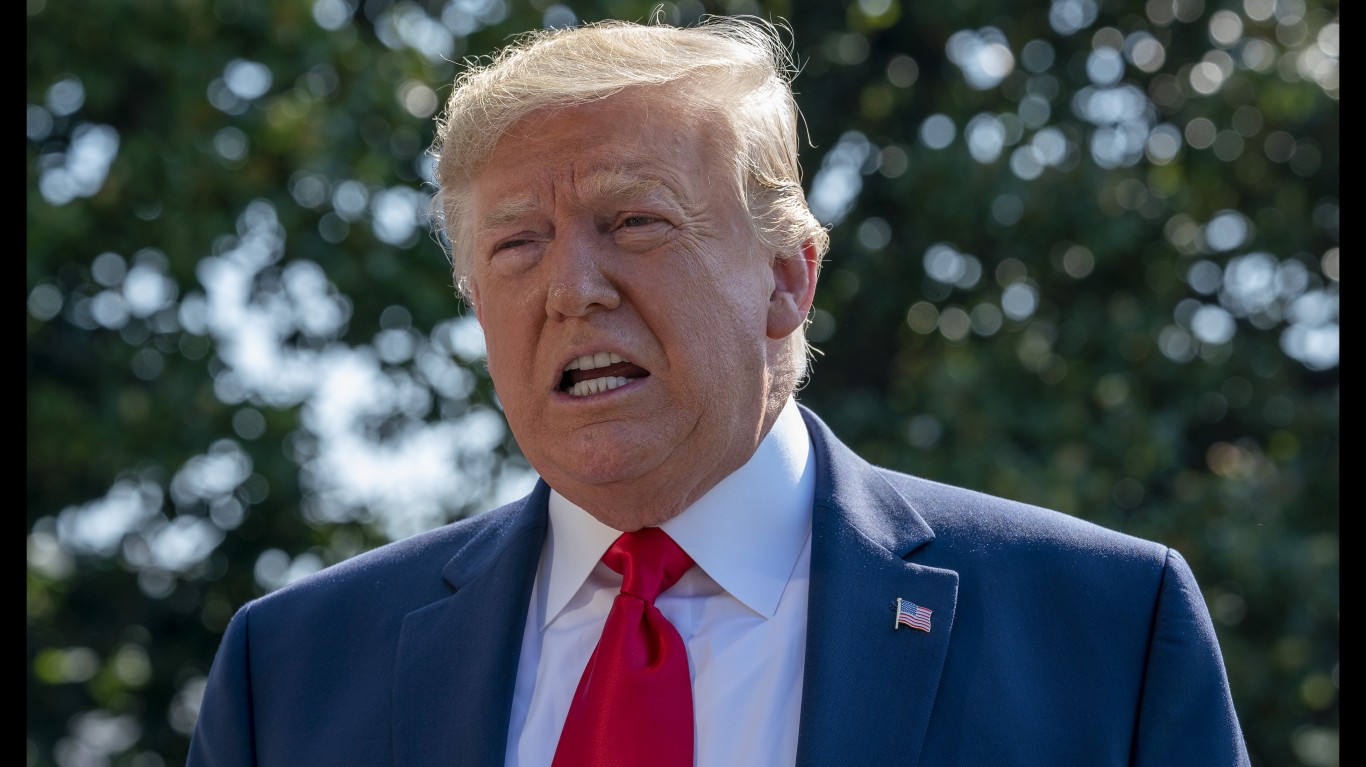
However, President Trump announced yesterday that a deal had been reached at the highest levels of the Iranian government, prompting him to call off a planned military strike that was reportedly set to begin last night. Just as important, the possibility of committing U.S. ground forces to secure Iran’s oil infrastructure on Kharg Island is now off the table.
Markets responded immediately. Stocks soared while oil prices dropped sharply. An official announcement could arrive as soon as tomorrow. For the Fed, this development may be arriving at exactly the right time.
Inflation’s Real Culprit Was Energy
The recent inflation reports looked troubling at first glance. According to the Bureau of Labor Statistics, consumer prices accelerated while the Producer Price Index also came in hotter than expected. Those headline figures fueled concerns that inflation was becoming entrenched again and that the Fed would have little choice but to tighten monetary policy.
Surprisingly, the details told a different story. Core inflation measures, which strip out volatile food and energy costs, remained far more contained. The Fed has long focused on core inflation because it provides a clearer picture of underlying pricing trends across the economy.
Here’s what the latest data suggested:
| Inflation Measure | Recent Trend |
| Headline CPI | Rising to 4.2% |
| Headline PPI | Rising to 6.5% |
| Core CPI | Relatively stable at 2.9% |
| Core PPI | Below expectations at 4.9% |
| Energy Prices | Primary source of acceleration in CPI and PPI |
That distinction matters because energy-driven inflation is often temporary. Monetary policy cannot pump more oil out of the ground, but changes in supply and geopolitical risk can rapidly alter energy prices.
An Iran Deal Changes the Equation
Much of the recent jump in oil prices reflected fears of escalating conflict in the Middle East. Markets were forced to price in supply disruptions from one of the world’s most important energy-producing regions. If a durable agreement with Iran removes those concerns, oil prices could continue retreating from recent highs.
Lower oil prices tend to ripple through the economy quickly:
- Gasoline prices decline.
- Transportation costs ease.
- Manufacturing input costs fall.
- Shipping expenses moderate.
Those reductions eventually feed into both consumer and producer inflation measures.
The Trump administration has consistently argued that the recent inflation spike was temporary and largely tied to wartime disruptions in energy markets. If oil prices continue falling over the next several months, that argument becomes easier to defend.
Yet, investors should avoid assuming a signed agreement is a foregone conclusion. CNN recently analyzed President Trump’s public statements and found he declared an Iran deal was “close,” “imminent,” or suggested Tehran was eager to settle at least 38 times since the conflict began. Despite those repeated predictions, no final agreement materialized.
Even after yesterday’s announcement, Iranian officials stated that no final decision has yet been made, underscoring that negotiations remain fluid.
That said, markets don’t need a permanent peace agreement to benefit. They simply need a lower probability of supply disruptions in the Middle East. If traders become convinced that a worst-case oil shock is off the table, energy prices could continue retreating even before a formal deal is signed.
Why the Fed May Choose Patience
The bond market had been pushing the Fed toward a more hawkish stance. Treasury yields rose as traders anticipated a higher probability of future rate increases.
Yet central bankers rarely react to a single inflation report. They look for trends.
If energy prices normalize and core inflation remains under control, policymakers could reasonably conclude that underlying inflation pressures never truly reaccelerated. That would give the Fed room to wait for additional data rather than rushing into a rate hike.
Granted, the entire scenario depends on the agreement holding and tensions remaining contained. Any breakdown could send oil prices climbing again and quickly revive inflation concerns.
Key Takeaway
In short, what looked like a straightforward case for higher interest rates may have become far more complicated. Recent CPI and PPI reports appeared alarming on the surface, but energy prices were responsible for much of the increase while core inflation remained relatively contained.
If an Iran agreement leads to lower oil prices and reduced geopolitical risk, inflation data could improve noticeably over the next few months. That would give the Fed the cover it needs to keep rates unchanged rather than moving toward another tightening cycle.
For investors, the key number to watch may no longer be the next inflation report. It could be the price of oil.
Contact [email protected] for any questions or corrections.
After two decades of patrolling the dark corners of suburbia as a police officer, Rich Duprey hung up his badge and gun to begin writing full time about stocks and investing. For the past 20 years, he’s been cruising the markets looking for companies to lock up as long-term holdings in a portfolio while writing extensively on the broad sectors of consumer goods, technology, and industrials. Because his experience isn’t from the typical financial analyst track, Rich is able to break down complex topics into understandable and useful action points for the average investor. His writings have appeared on The Motley Fool, InvestorPlace, Yahoo! Finance, Money Morning, and, of course, 24/7 Wall St. He has been featured in both U.S. and international publications, including MarketWatch, Financial Times, Forbes, Fast Company, and USA Today.