The $31 Trillion Message Kevin Warsh Can’t Afford to Ignore
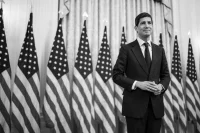
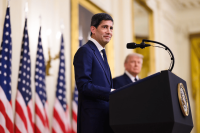
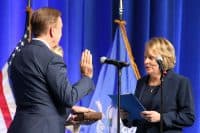
Kevin Warsh was sworn in as Federal Reserve Chair on May 22 under intense pressure from President Donald Trump to lower interest rates. Now, however, the $31 trillion Treasury market is sending Warsh a very different message — and he…

Kevin Warsh was sworn in as Federal Reserve Chair on May 22 under intense pressure from President Donald Trump to lower interest rates. Now, however, the $31 trillion Treasury market is sending Warsh a very different message — and he cannot afford to ignore the strong signals investors are sending through rising bond yields.
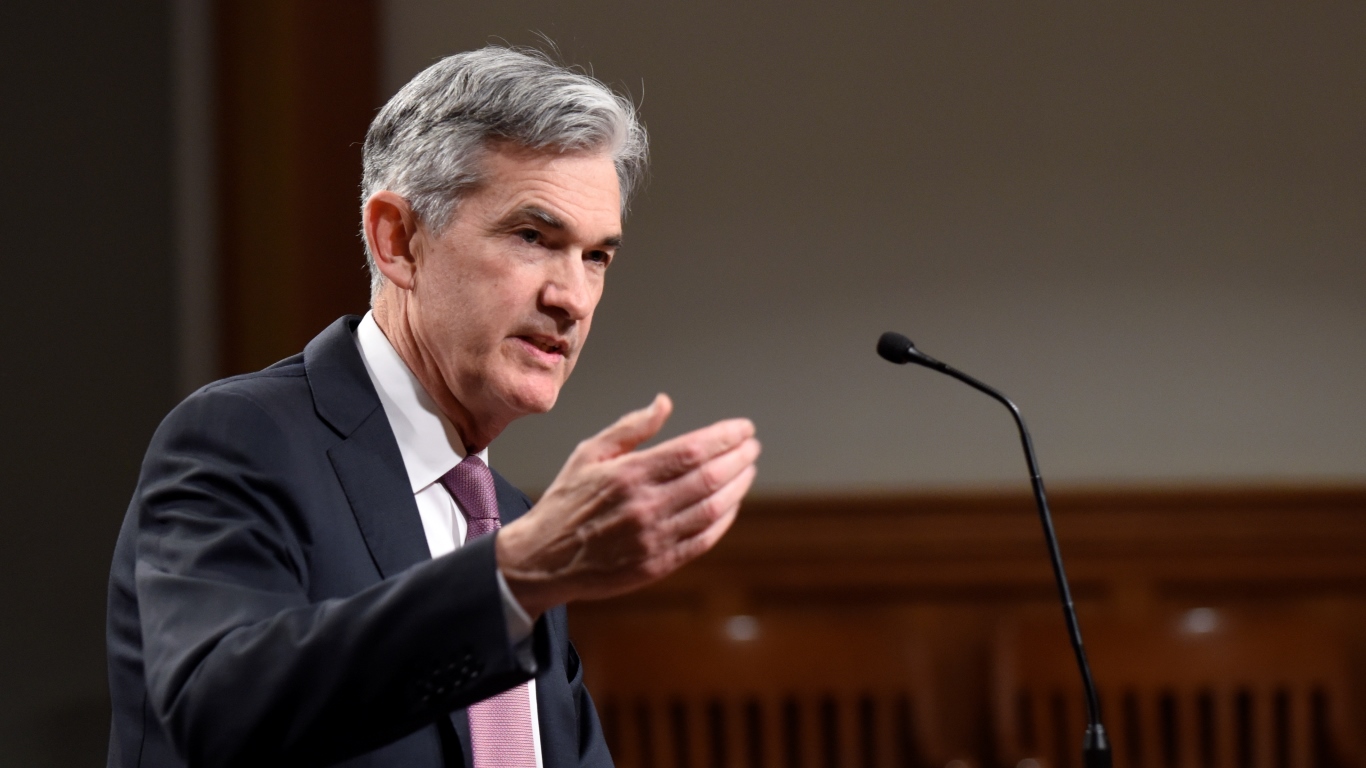
With the next Federal Open Market Committee meeting scheduled for June 16 and 17, all eyes are on the new Fed Chair to see whether he will follow President Trump’s demands for aggressive rate cuts or heed the bond market’s warning signs about the risks of easing policy too soon amid persistent inflation.
Interest rates may need to rise to prevent the economy from overheating.
Since the escalation of the conflict in Iran, front-end Treasury yields have risen faster than longer-term yields. Between the start of the conflict and early June, the 2-year Treasury yield increased by roughly 77 basis points, while the 10-year rose by about 60 basis points.
These moves are indicative of the market swiftly repricing inflation expectations as a result of increasing energy volatility, as well as investor demand for higher compensation due to the increased economic uncertainty caused by geopolitical instability.
The surge in yields on policy-sensitive two-year notes only intensified after May’s strong jobs report showed 172,000 jobs added — more than double initial forecasts. These employment numbers reinforced bond investors’ conviction that a rate hike may be needed to cool inflationary pressures and guard against an overheating economy, partly fueled by the AI boom.
At around 4.15%, two-year Treasuries are now trading well above the Fed’s current 3.5%–3.75% target range. As two-year yields are a key gauge of expected Federal Reserve policy, this movement suggests markets are pricing in at least a 25-basis-point rate hike by the end of 2026.
Will the Fed raise rates in June?
While the odds of a rate hike by year-end have risen meaningfully, a rate hike at the upcoming June meeting is almost certainly off the table. FedWatch estimates over a 98% probability that interest rates will remain unchanged in the June meeting, although most analysts expect that the Fed will remove the easing-leaning language from its post-meeting statement.
This would send a strong signal that future rate cuts this year are no longer on the table, even as the President continues to put pressure on Warsh and the Fed to stimulate growth and provide long-awaited relief to would-be home buyers who have coped with years of elevated rates in the post-pandemic era.
These developments may frustrate the administration, especially given Warsh’s earlier openness to rate cuts. Yet current inflation and employment data both increasingly suggest that the Fed should consider rate increases, rather than cuts, to fulfill its dual mandate of achieving 2% inflation and maximum employment.
Growing concern among bond traders that the Fed may be behind the curve, along with several officials not ruling out hikes, also reinforce the view that rates are more likely to be higher by year-end than lower.
Unemployment is the wild card

Of course, unemployment numbers remain the wildcard. If the job market softens, the predicted rate hikes may be delayed. The recent BLS data argues against this scenario in the near-term, but the long-term effects of AI, stubbornly elevated long-term unemployment, and subdued hire and quit rates suggest underlying caution among workers.
Ultimately, at this point, it is largely a wait-and-see game. If the job numbers remain strong in the coming months, though, the Fed may have no choice but to live up to investor expectations and come through with the rate hikes that bond traders have already priced in.
Contact [email protected] for any questions or corrections.
Christy Bieber has been a personal finance and legal writer since 2008. She has a JD from UCLA School of Law and a BA in English, Media and Communications with a certification in business from the University of Rochester.
Christy has been published by a wide variety of sites, including WSJ Buy Side, Forbes, Kiplinger, Fox Business, Credit Karma, Insurify, and Annuity.org. In addition to writing for the web, she has also ghostwritten textbooks on business and law and served as a subject matter expert for course design.