Kevin Warsh May Have Just Caught a Massive Break as Inflation Suddenly Cools
A single inflation report just shifted the entire calculus for Federal Reserve Chair Kevin Warsh, but a brewing geopolitical crisis near one of the world's most critical oil chokepoints may erase that advantage before policymakers can act on it.


For much of 2026, the Federal Reserve has looked boxed in. The labor market has sent conflicting signals depending on whether investors focused on payroll growth, household employment, or job openings. Inflation has been just as confusing. Headline prices climbed through much of the spring, fueling speculation that not only were interest-rate cuts off the table for 2026 — and perhaps even 2027 — but that the Fed might have to resume raising rates.
That would have been an unwelcome backdrop for Fed Chair Kevin Warsh. Yet one fresh inflation report may have given policymakers their biggest opening yet to stand pat.
June Inflation Changes the Conversation
The Bureau of Labor Statistics’ June Consumer Price Index (CPI) report delivered a surprise few expected.
Headline CPI fell 0.4% from May while rising 3.5% from a year earlier. That monthly decline was the largest since the 0.8% drop recorded in April 2020 and marked a sharp reversal from May’s 0.5% monthly increase and 4.2% annual inflation rate.
More importantly for the Fed, core CPI — which strips out volatile food and energy prices and carries greater weight in monetary policy decisions — was unchanged from the prior month and increased just 2.6% year over year.
Those numbers suggest underlying inflation cooled faster than expected, giving policymakers evidence that price pressures may not be accelerating after all.
Just to be clear, though, one report doesn’t establish a trend. It does, however, make the case for another rate hike much harder than it appeared only a month ago.
Energy Did the Heavy Lifting
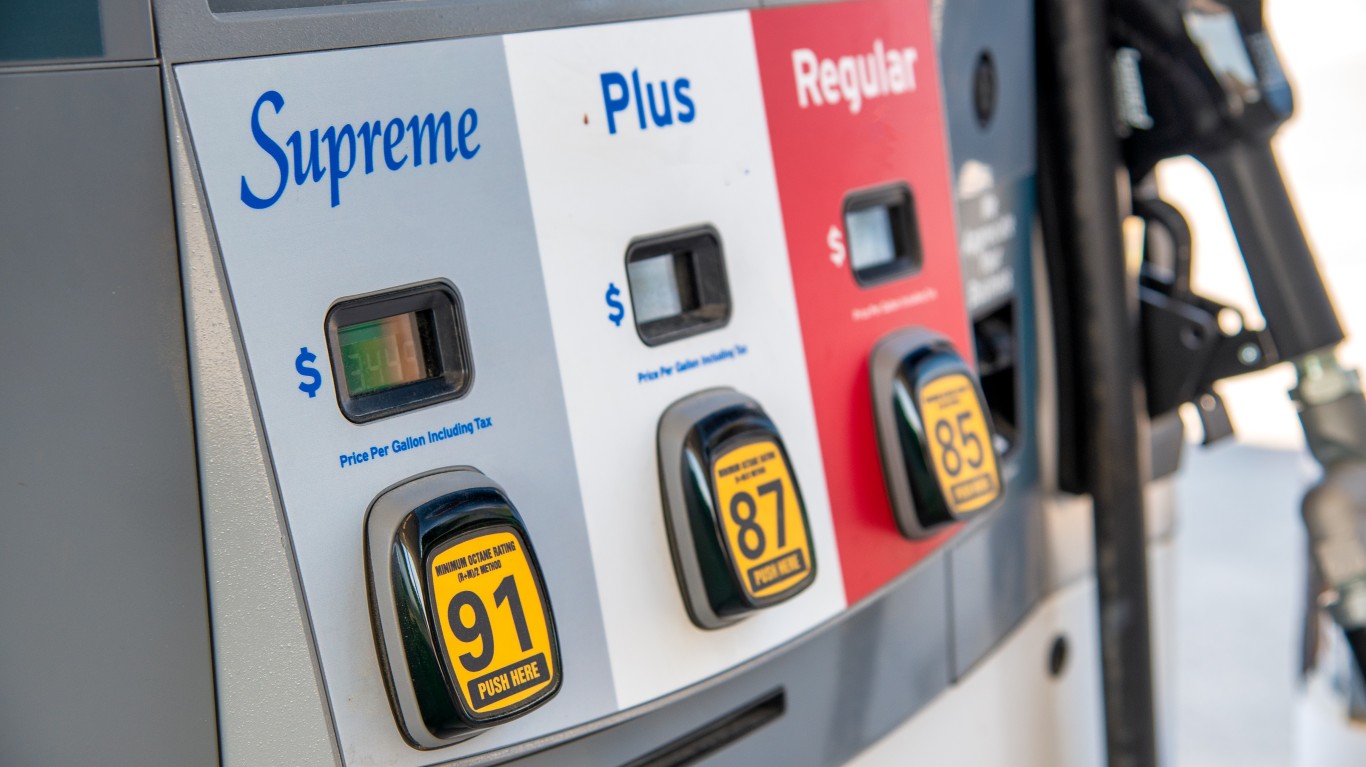
Digging beneath the headline shows exactly what drove June’s decline. Energy prices dropped 5.7% during the month, representing the category’s biggest monthly decline since April 2020. Even after that drop, energy prices remain 15.7% higher than a year ago.
Gasoline accounted for much of the improvement:
- Gasoline fell 9.7% in June but remains up 26.7% year-over-year.
- Electricity declined 1% during the month while rising 4% annually.
- Utility natural gas service increased 0.5% in June and is up 3% from last year.
Food and shelter prices continued moving higher, reminding investors that inflation hasn’t disappeared. Instead, cheaper energy temporarily offset those persistent pressures.
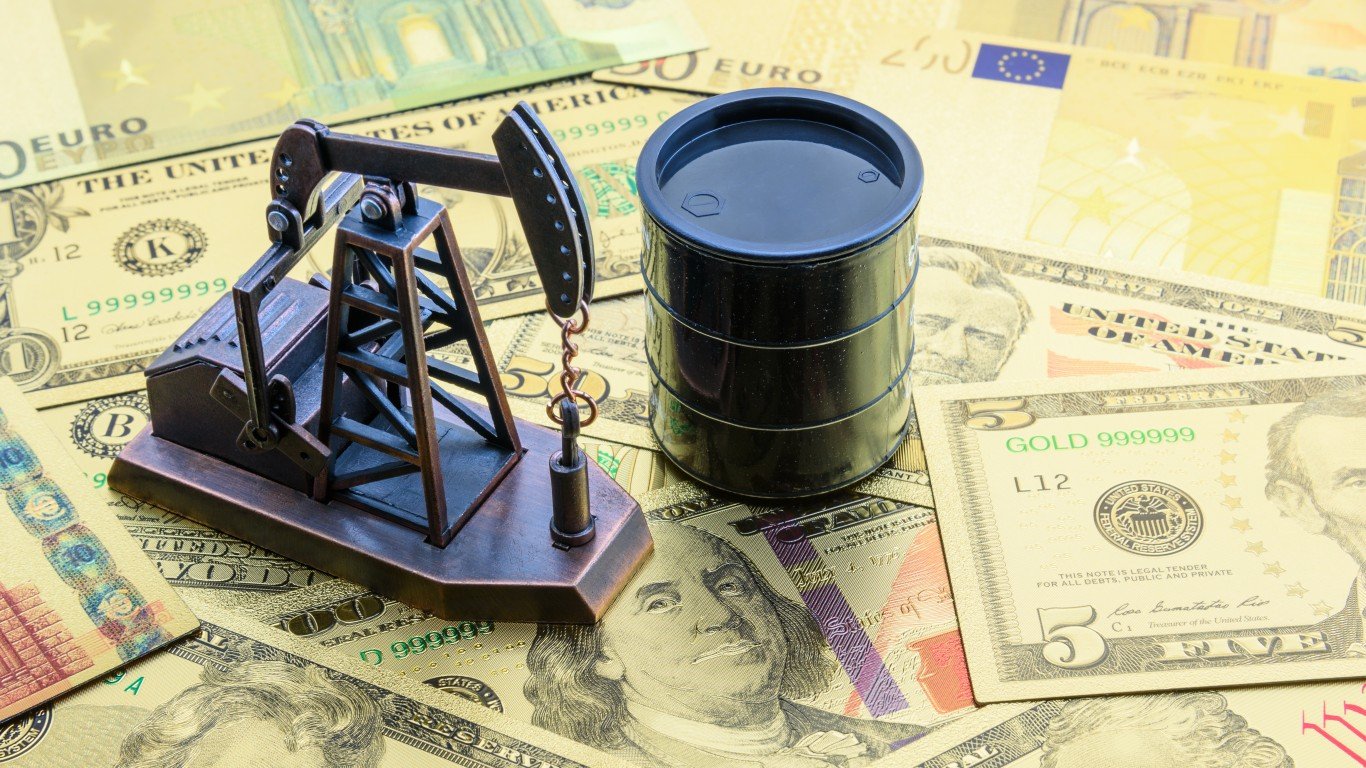
That decline wasn’t random. Oil prices had retreated from well above $100 per barrel earlier this year during the outbreak of fighting between the U.S. and Iran to the mid-to-upper $60 range after both sides agreed to a truce.
The Fed Still Has to Look Ahead
Ironically, the June CPI report may already be outdated. Since that data was collected, hostilities involving the U.S. and Iran have flared again around the Strait of Hormuz. President Trump has declared the ceasefire “over,” the U.S. has resumed bombing campaigns near the Strait, and Iran has responded with missile attacks targeting neighboring countries hosting U.S. forces.
Oil prices have responded quickly. West Texas Intermediate crude has climbed back above $80 per barrel, while Brent crude has moved north of $86. That’s the catch investors shouldn’t ignore.
CPI is a rearview-mirror indicator because it measures what already happened. The Federal Reserve, by contrast, spends most of its time looking through the windshield. Policymakers know today’s oil prices could become tomorrow’s inflation report if geopolitical tensions persist.
Key Takeaway
In short, June’s CPI report may have given Warsh and the Federal Reserve their strongest argument yet for avoiding another interest-rate hike in 2026. Cooler core inflation, combined with the largest monthly drop in headline CPI since 2020, eases immediate pressure on policymakers.
Granted, that relief could prove temporary if rising oil prices once again feed through to gasoline, transportation, and broader consumer prices. For investors, the lesson isn’t that inflation has been defeated. It’s that the Fed has gained valuable breathing room, even if it remains one geopolitical headline away from losing it again.
The smartest investors will watch energy markets as closely as the next inflation report because, in this environment, one is increasingly shaping the other.
Contact [email protected] for any questions or corrections.
After two decades of patrolling the dark corners of suburbia as a police officer, Rich Duprey hung up his badge and gun to begin writing full time about stocks and investing. For the past 20 years, he’s been cruising the markets looking for companies to lock up as long-term holdings in a portfolio while writing extensively on the broad sectors of consumer goods, technology, and industrials. Because his experience isn’t from the typical financial analyst track, Rich is able to break down complex topics into understandable and useful action points for the average investor. His writings have appeared on The Motley Fool, InvestorPlace, Yahoo! Finance, Money Morning, and, of course, 24/7 Wall St. He has been featured in both U.S. and international publications, including MarketWatch, Financial Times, Forbes, Fast Company, and USA Today.