A Massive Multi-Billion-Dollar Industry Merger Just Rewrote the Entire Bear Case Against McCormick: Why It’s the Ultimate Defensive Asset
The bear case on McCormick (NYSE:MKC | MKC Price Prediction) had been a familiar story of input-cost pressure and a sluggish retail backdrop. That story changed when management announced the $44.8 billion merger with Unilever‘s (NYSE:UL) food business, layered on…


The bear case on McCormick (NYSE:MKC | MKC Price Prediction) had been a familiar story of input-cost pressure and a sluggish retail backdrop. That story changed when management announced the $44.8 billion merger with Unilever‘s (NYSE:UL) food business, layered on top of the January 75% controlling stake in McCormick de Mexico. For income investors, the question is whether a deal this large threatens the dividend. I think it strengthens it.
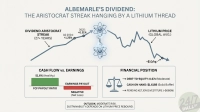
Dividend Snapshot
| Metric | Value |
|---|---|
| Annual Dividend | $1.92 per share |
| Dividend Yield (at $47.87) | ~4.0% |
| Consecutive Annual Increases | 40 years |
| Most Recent Increase | 7% (November 2025) |
| Aristocrat / King Status | Aristocrat (not yet King) |
Payout Ratios Leave Real Breathing Room
McCormick paid $483 million in dividends against FY2025 free cash flow of roughly $740.4 million ($962.2M operating cash flow less $221.8M capex). On EPS of $3.00, the $1.92 dividend takes 64% of profits.
| Metric | TTM Value | Assessment |
|---|---|---|
| Earnings Payout | 64% | Healthy |
| FCF Payout | 65% | Healthy |
| OCF / Dividend Coverage | 1.99x | Adequate |

Debt Climbed, but the Balance Sheet Still Stands
The McCormick de Mexico close pushed total liabilities to $8.79 billion against $7.56 billion of equity, a debt-to-equity ratio of roughly 1.16. The Unilever Foods transaction will lift net leverage to at or below 4x at close, with management targeting roughly 3x within two years. Elevated for now, but with a clear path down. Flavor demand is inelastic, which is exactly why food represented 7.11% of total PCE in April 2026, almost unchanged across 16 months of data.
40 Years of Increases, and Resilience Through Two Crises
The quarterly dividend stepped from $0.42 (2024) to $0.45 (2025) to $0.48 (late 2025). The payout held and grew through both the 2008 crisis and the 2020 pandemic, with no cuts on record.
Management Effectively Pre-Committed to the Payout
On the merger call, CFO Marcos Gabriel said the combined company will support “McCormick’s long-standing practice of returning capital to shareholders through dividends” at a payout ratio of “approximately 60%”. CEO Brendan Foley added that “our commitment to returning cash to shareholders through dividends remains unchanged.” The deal targets $600 million in synergies and is accretive in year one across all P&L lines.
Verdict: Safe, With Leverage Worth Watching
Dividend Safety Rating: Safe. A 64% earnings payout, 65% FCF payout, 1.99x cash coverage, and a 40-year streak give the $1.92 dividend a real margin of safety, even as the stock sits 33.42% below last year. The income thesis holds together if the company executes its 3x net leverage target on schedule and synergies arrive as guided. The thesis weakens if FCF stays compressed beyond 2027 or if integration costs push the FCF payout above 90%. For now, this Aristocrat keeps its income credentials intact.
Contact [email protected] for any questions or corrections.
Alex Sirois is a financial writer with experience spanning both retail and institutional investing. He has written for InvestorPlace and held roles at BNY Mellon and Bernstein, giving him a perspective that bridges Main Street portfolios and Wall Street analysis.
Alex holds an MBA from George Washington University and has built his career across multiple industries, including e-commerce, education, and translation — a breadth of experience that informs how he breaks down complex financial topics for everyday investors. His writing is conversational, actionable, and grounded in long-term, buy-and-hold investing principles.
At 247 Wall St., Alex focuses on delivering analysis that is both accessible and useful, with a clear emphasis on helping readers make more informed decisions with their money.