SpaceX Just Passed TSM. Can It Overtake Amazon This Week?
SpaceX (NASDAQ:SPCX | SPCX Price Prediction) spent more than two decades transforming itself from an ambitious rocket startup into one of the world’s most important technology companies. Today, it dominates commercial space launches, operates the largest satellite internet network through…


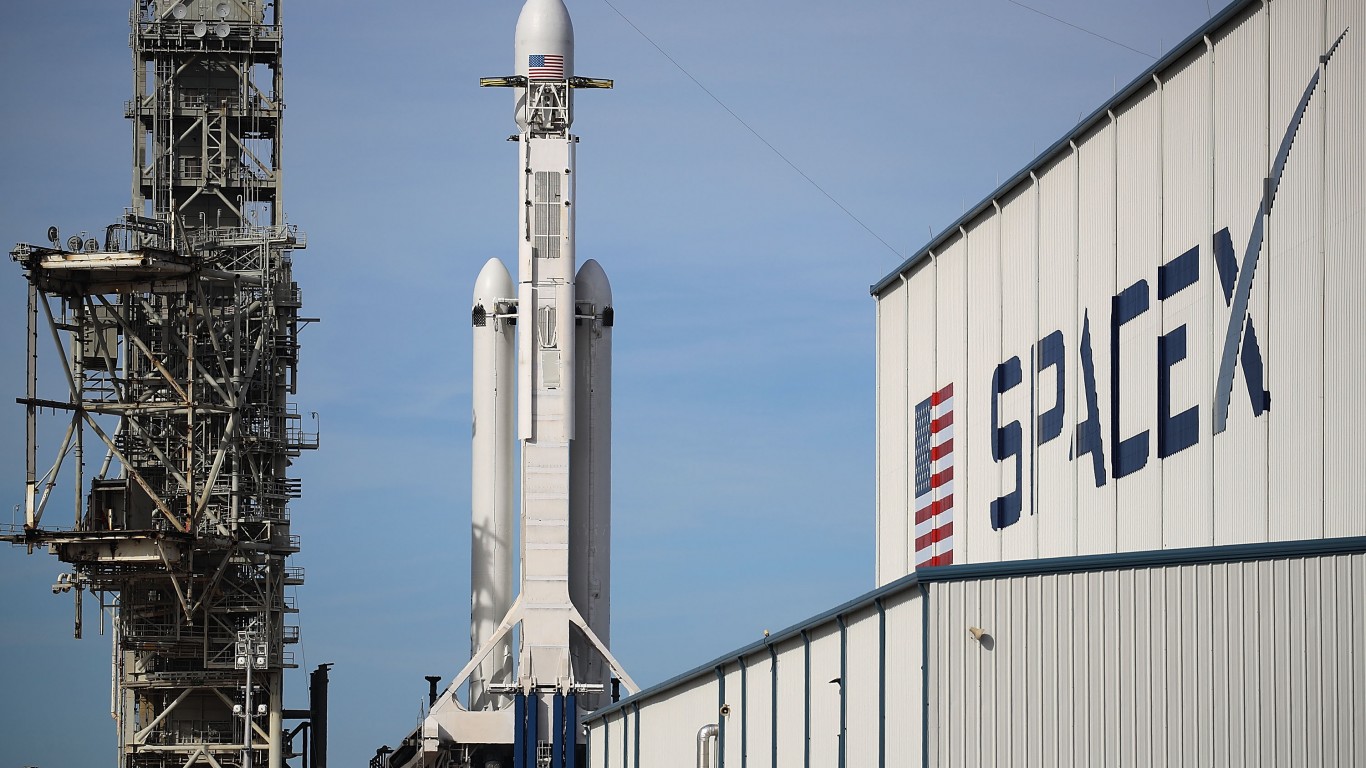
SpaceX (NASDAQ:SPCX | SPCX Price Prediction) spent more than two decades transforming itself from an ambitious rocket startup into one of the world’s most important technology companies. Today, it dominates commercial space launches, operates the largest satellite internet network through Starlink, and has expanded into markets that span telecommunications, defense, aerospace, and space exploration.
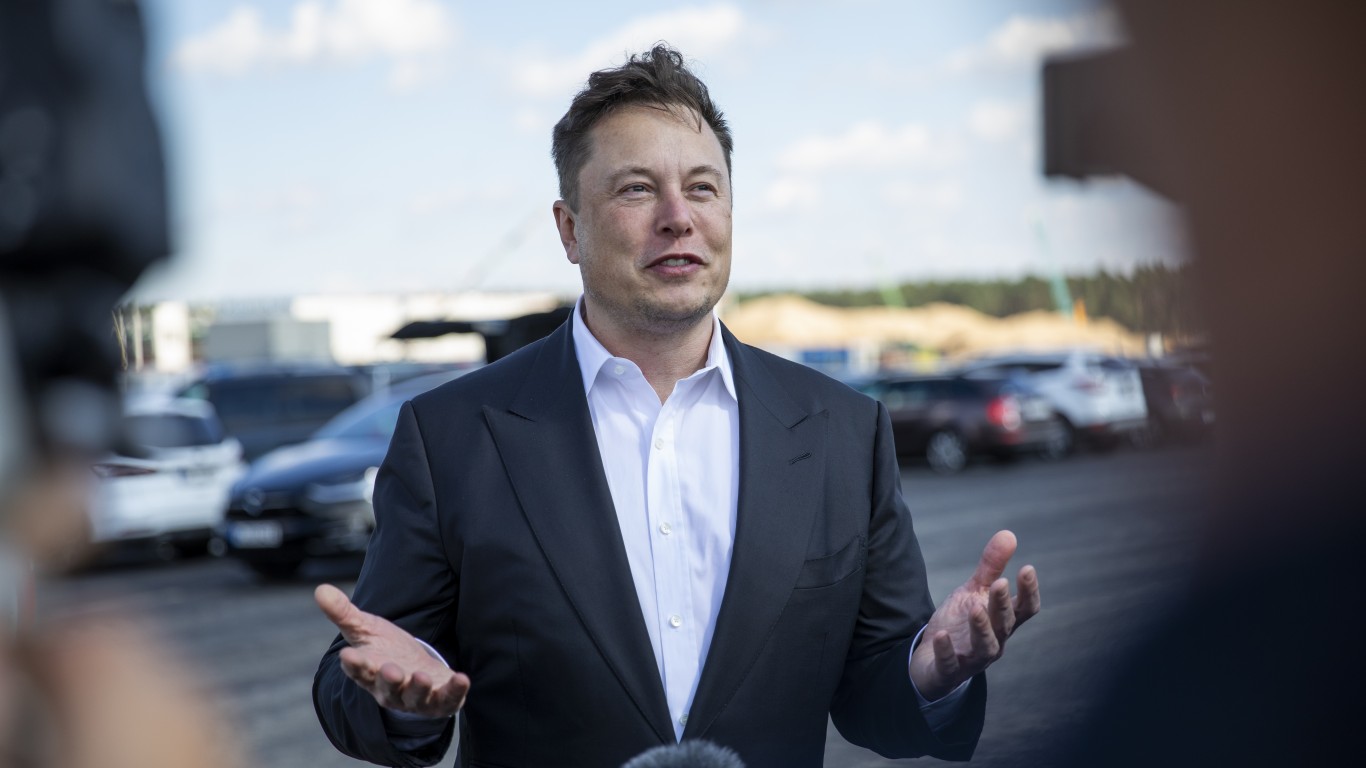
Led by Elon Musk, the company sits at the center of several industries measured in the trillions of dollars, giving investors a rare opportunity to buy a business with multiple long-term growth drivers under one roof.
That combination of market leadership and future potential helps explain why SpaceX’s public debut captured so much attention. The company held the largest IPO in history last Friday, raising $75 billion and entering the market with a valuation of $1.8 trillion. Investors wasted little time bidding shares higher, and the rally has quickly propelled SpaceX up the ranks of the world’s most valuable companies.
SpaceX Is Already Climbing the Market-Cap Rankings
SpaceX raised $75 billion in its IPO last Friday and entered the public markets with a valuation of approximately $1.8 trillion. That immediately made SPCX the world’s eighth-largest publicly traded company. But the market wasn’t finished buying.
While the space company closed its first trading day 19% higher, lifting its market capitalization to roughly $2.1 trillion, Monday brought another wave of buying. The stock gained 19.6% more, adding approximately $412 billion in market value in a single session and pushing its valuation to $2.52 trillion.
That move allowed SpaceX to pass Taiwan Semiconductor Manufacturing (NYSE:TSM) and claim the No. 7 spot among the world’s most valuable companies.
Here’s how the leaderboard currently looks:
| Rank | Company | Market Value |
| 1. | Nvidia (NASDAQ:NVDA) | $5.14 trillion |
| 2. | Alphabet (NASDAQ:GOOG) | $4.47 trillion |
| 3. | Alphabet (NASDAQ:GOOGL) | $4.47 trillion |
| 4 | Apple (NASDAQ:AAPL) | $4.35 trillion |
| 5 | Microsoft (NASDAQ:MSFT) | $2.97 trillion |
| 6 | Amazon (NASDAQ:AMZN) | $2.65 trillion |
| 7 | SpaceX | $2.52 trillion |
| 8 | Taiwan Semiconductor Manufacturing | $2.29 trillion |
The next target is obvious. Amazon’s $2.65 trillion valuation sits only about 5.2% above SpaceX’s current value.
Amazon Is Within Reach, Microsoft Is Possible.
At its current pace, overtaking Amazon should be easy as it would not require much additional appreciation. A gain of roughly 5.2% would be enough to move SpaceX into sixth place. Microsoft presents a slightly larger hurdle, but not an impossible one. With a market capitalization of $2.97 trillion, Microsoft stands about 18% above SpaceX’s current valuation.
That is still within the realm of possibility during the early stages of a hot IPO. It could reach it by week’s end if the momentum continues. The challenge grows much steeper after that.
Apple, currently the fourth-largest company, carries a market capitalization of $4.35 trillion. That is approximately 72% larger than SpaceX’s current value. For a company already worth more than $2.5 trillion, adding nearly $2 trillion in market value is no small task.
IPO Euphoria Doesn’t Last Forever
History offers an important lesson for investors. Mega-IPOs often experience a period of enthusiasm immediately after listing as institutions, retail investors, and momentum traders compete for shares.
That said, the initial excitement rarely lasts indefinitely. Many high-profile IPOs spend months — or even years — working through lofty expectations after the first burst of enthusiasm fades. The larger the company, the harder it becomes to sustain rapid gains because each percentage increase represents hundreds of billions of dollars in additional value.
SpaceX remains a unique business. It dominates commercial launches, has a growing satellite business, and benefits from the leadership of Elon Musk. Its long-term growth prospects appear substantial.
Granted, a great company is not automatically a great investment at every price. Valuation still matters. Investors who buy solely because a stock is rising often discover that momentum can reverse just as quickly, particularly with IPOs.
Key Takeaway
In short, SpaceX’s debut has been extraordinary. A $75 billion IPO, a rise from $1.8 trillion to $2.52 trillion in two trading sessions, and already placing seventhmfst among the world’s most valuable companies is a remarkable achievement.
Amazon sits only 5.2% away, and Microsoft is within 18%. Apple, however, remains in another league altogether.
Regardless of where SpaceX ranks next week, investors should focus on a more important question: Would they be comfortable owning the company for the next decade? Successful investing is rarely about making a quick buck. It is about buying exceptional businesses, holding them through market cycles, and allowing compounding to do the heavy lifting over years and decades.
SpaceX may ultimately reward patient shareholders. Chasing hype, however, has a much less reliable track record.
Contact [email protected] for any questions or corrections.
After two decades of patrolling the dark corners of suburbia as a police officer, Rich Duprey hung up his badge and gun to begin writing full time about stocks and investing. For the past 20 years, he’s been cruising the markets looking for companies to lock up as long-term holdings in a portfolio while writing extensively on the broad sectors of consumer goods, technology, and industrials. Because his experience isn’t from the typical financial analyst track, Rich is able to break down complex topics into understandable and useful action points for the average investor. His writings have appeared on The Motley Fool, InvestorPlace, Yahoo! Finance, Money Morning, and, of course, 24/7 Wall St. He has been featured in both U.S. and international publications, including MarketWatch, Financial Times, Forbes, Fast Company, and USA Today.