





The artificial intelligence boom is reshaping more than just software. It is rewriting the economics of the entire technology industry. The four largest hyperscalers — Amazon (NASDAQ:AMZN | AMZN Price Prediction), Microsoft (NASDAQ:MSFT), Alphabet (NASDAQ:GOOG), and Meta Platforms (NASDAQ:META) — are expected to spend roughly $750 billion on AI infrastructure in 2026. That spending spree is consuming enormous amounts of memory and storage chips, pushing prices higher across the supply chain.
For years, Apple (NASDAQ:AAPL) largely absorbed those costs. Now, CEO Tim Cook says the company has reached its limit. The question for investors is whether higher prices will slow Apple sales or simply reinforce the company’s pricing power.
Staring Down a Tsunami of Rising Costs
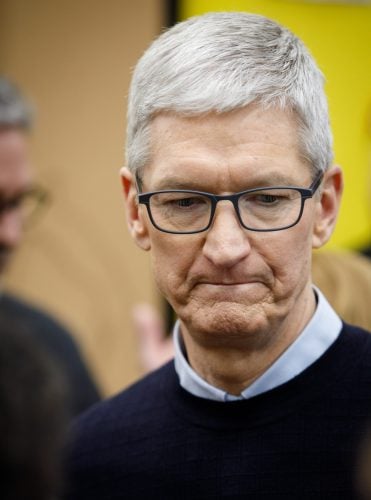
Cook told The Wall Street Journal that rising memory and storage costs have become “unsustainable” and that price increases are now unavoidable. He compared the chip shortage to a “hundred-year flood,” saying he had never seen anything like it in more than 40 years in the industry.
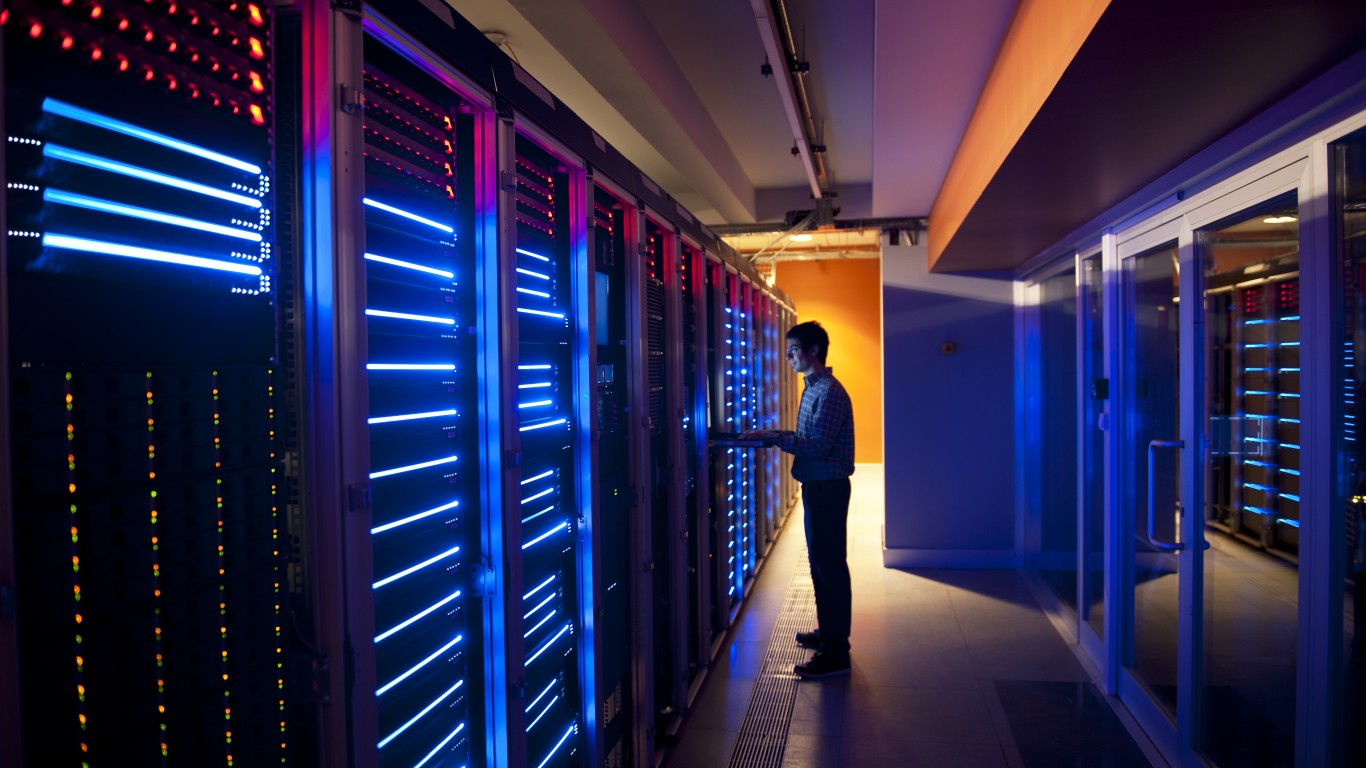
Apple’s costs are being squeezed by surging demand for DRAM and NAND chips from AI data centers, which are soaking up production from suppliers such as Micron Technology (NASDAQ:MU), Samsung Electronics, and SK hynix.
The issue has been building for months. During Apple’s April earnings call, Cook warned that memory costs would become an “increasing impact” on the business throughout 2026. Analysts now expect Macs and iPads to see price increases before the launch of the iPhone 18 lineup this fall. Some estimates suggest the iPhone 18 Pro could eventually cost as much as $1,299, up from $1,099 today.
Here’s Why Apple May Get Away With It
Normally, higher prices hurt demand. Apple is not a normal company.
Apple’s fiscal 2025 results showed the company generated almost $99 billion in annual free cash flow while maintaining one of the strongest consumer brands in the world. Its installed base of over 2.5 billion active devices creates an ecosystem that keeps customers connected through hardware, software, subscriptions, and services.
Let’s compare Apple with other premium technology companies that have recently raised prices:
| Company | Recent Price Increases | Customer Impact |
| Apple | Expected in 2026 | Demand remains uncertain |
| Microsoft | Hardware and software increases | Revenue continued growing |
| Samsung | Device price increases | Smartphone sales remained resilient |
| Sony (NYSE:SONY) | PlayStation price increases | Stable but slowing console demand |
The pattern is clear. When companies sell premium products with loyal customer bases, modest price increases rarely trigger a mass exodus.
The Bigger Risk Isn’t Price
Surprisingly, the larger risk may not be higher prices but longer upgrade cycles. Consumers are already keeping smartphones longer than they did five years ago. A $100 to $200 increase may convince some users to hold onto an older device for another year. That could slow unit growth even if Apple’s revenue per device rises. At the same time, Apple is adding more memory to support AI features, making its products more capable and potentially justifying higher prices.
Granted, there is a limit to how much pricing power any company has. But Apple’s customer base has repeatedly shown a willingness to pay premium prices for new hardware, especially among Pro users.
Key Takeaway
In short, Cook’s “hundred-year flood” looks more like a supply-chain problem than a demand problem.
Apple appears poised to raise prices because AI-driven demand for memory chips has pushed costs beyond what it can absorb. While some customers may delay upgrades, the company’s 2.5 billion device ecosystem and premium brand suggest sales are unlikely to collapse. The bigger story for shareholders is that Apple is demonstrating pricing power at a time when many companies cannot.
Ultimately, that is often a sign of strength, not weakness. Investors should watch upgrade rates closely, but for now, Apple’s moat appears wide enough to weather the flood.
Contact [email protected] for any questions or corrections.








 Top Gaining Stocks
 Top Losing Stocks