Your Next iPhone Is About to Cost More. Tim Cook Just Told You Why
Tim Cook spent the back half of Apple’s recent earnings call telling analysts, in carefully chosen accountant language, that the things inside your next iPhone are about to get more expensive. “For the June quarter,” he said, “we expect significantly…

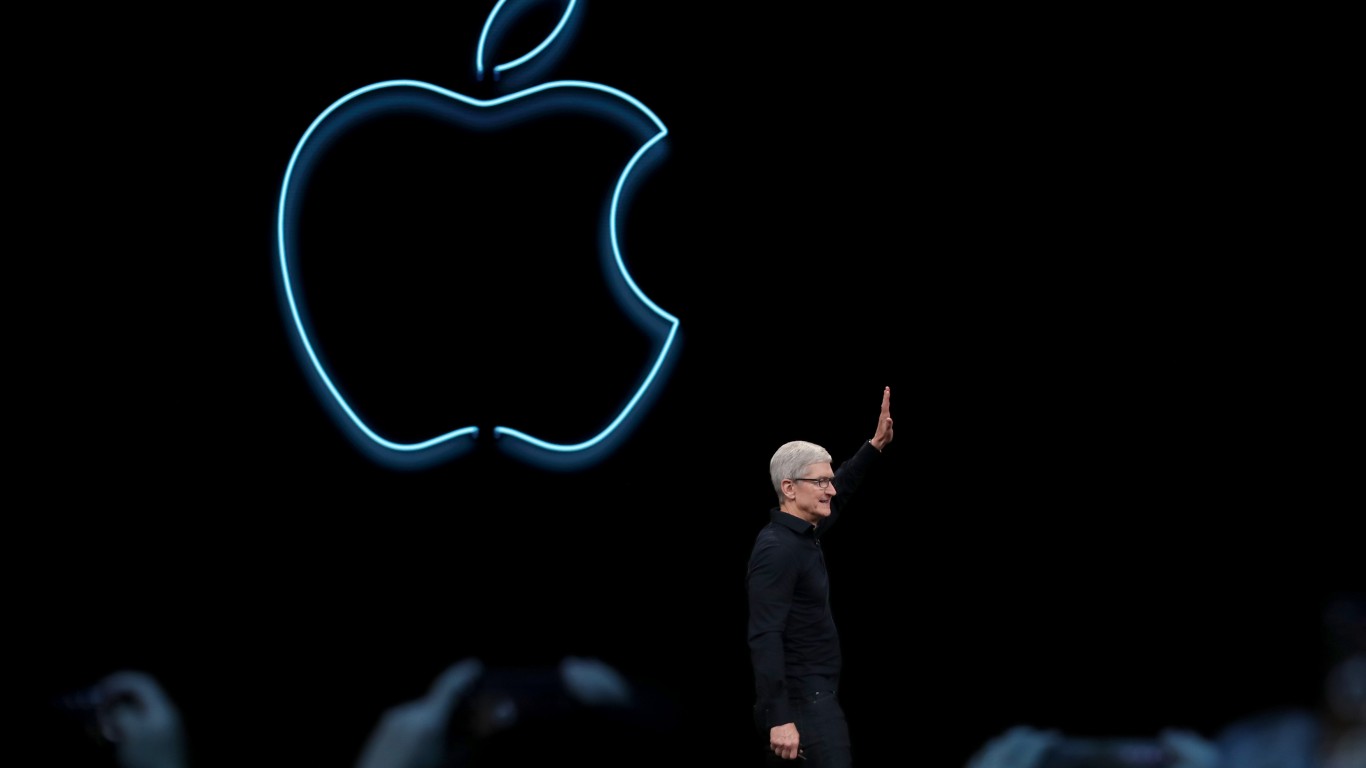
Tim Cook spent the back half of Apple’s recent earnings call telling analysts, in carefully chosen accountant language, that the things inside your next iPhone are about to get more expensive. “For the June quarter,” he said, “we expect significantly higher memory costs… beyond the June quarter, we believe memory costs will drive an increasing impact on our business, and we will continue to evaluate this. As we have said before, we will look at a range of options.” That last phrase is the one to circle. In Apple-speak, “a range of options” means the price tag on the iPhone 18 is going up, or the storage tier you want is going up, or both.
Why memory is suddenly Apple’s problem
DRAM and NAND have been in tight supply since AI servers started swallowing every wafer Samsung, Micron, and SK Hynix could ship. Apple is the largest mobile memory buyer in the world and cannot wait out the cycle without shrinking margins or spec sheets. Cook traced the chronology himself. The December quarter saw minimal impact. The March quarter absorbed higher costs, cushioned by carry-in inventory. The June quarter is when it bites, and after that the bite gets deeper.
Apple (NASDAQ:AAPL | AAPL Price Prediction) reported a March-quarter gross margin of 49.3%, above its own guidance, but products gross margin slipped 200 basis points sequentially on seasonality and the first wave of memory inflation. Guidance for the June quarter calls for gross margin of 47.5% to 48.5%. That is still a margin most hardware companies would commit small crimes for, but the trajectory is the point.

Tariffs are the other half of the bill
Memory is not the only line item Cook flagged. The March margin included the impact of tariff-related costs, partially offset by a reduction in IPEA tariff rates and a lower global rate under Section 122. CFO Kevan Parekh added the careful caveat that forward guidance “assumes that global tariff rates, policies, and their application remain in effect as of this call.”
Apple has filed for tariff refunds and pledged to reinvest any recovered amount “into US innovation and advanced manufacturing.” The risk language in the company’s Q2 8-K filing still calls out effects of global economic conditions including government policies and trade disputes as a top risk.
The strategic backdrop nobody wants to discuss on the call
Cook’s pricing warning lands atop a louder strategic story. Apple cut an Intel foundry deal that retail investors on r/wallstreetbets read as a hedge against TSMC concentration, and the company is reportedly paying Google roughly $1 billion a year to have Gemini power the next version of Siri.
The point is that Apple is spending more on silicon redundancy and more on AI it did not build, which means cost relief is not coming from the back office. Q2 operating expenses ran $18.9 billion, up 24% year over year, with Cook acknowledging “We are clearly investing more. You can see that in the OpEx numbers.”
What it means for the stock
So far the market is treating higher prices as pricing power rather than demand destruction. iPhone revenue hit $57 billion, up 22% year over year, a March record despite supply constraints driven by advanced-node availability. AAPL trades at $298.01, up 9.82% year to date and 52.2% over the past year, on a trailing P/E of 36 and a forward multiple of 31. Analyst consensus target is $312.72, with 23 Buy and 7 Strong Buy ratings against three sells.


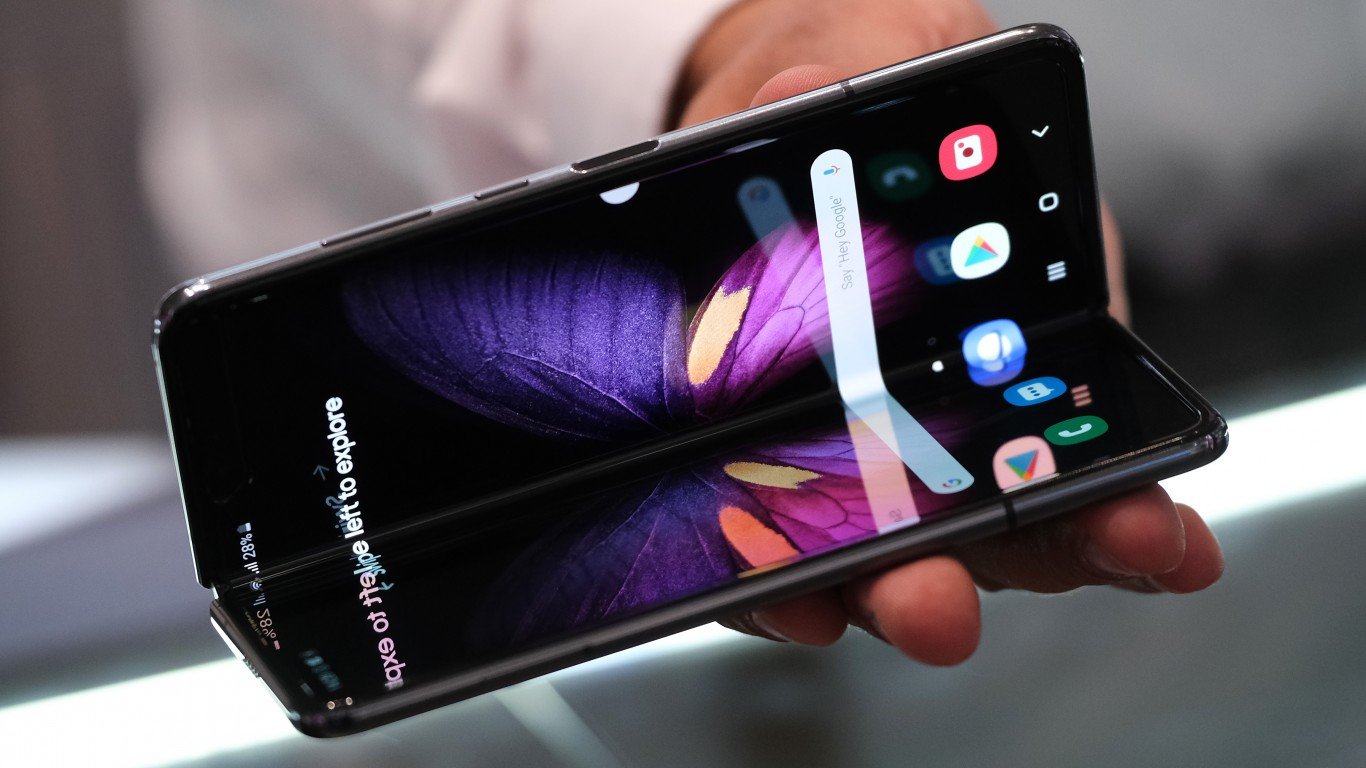
Polymarket traders give a 96% probability that an iPhone 18 ships in 2026 and an 81% probability of a foldable iPhone before 2027. Both are exactly the kind of products Apple would launch into a memory-cost spike, because a redesigned hero device is the easiest place to bury a price increase. A customer paying more for a foldable is not comparing storage-tier pricing year over year.
The thing to watch is whether Cook’s successor talk on this call, and the eventual handoff to John Ternus, changes any of the cost discipline. So far Apple is signaling that it will pass memory inflation through, keep buying back stock (a fresh $100 billion authorization) and let the iPhone 18 cycle absorb whatever sticker shock arrives in September. If the installed base of 2.5 billion active devices shrugs, the pricing power thesis holds. If upgrade rates wobble, the margin guide for fiscal 2027 is where you will see it first.
Contact [email protected] for any questions or corrections.
Omor Ibne Ehsan is a writer at 24/7 Wall St. He is a self-taught investor with a focus on growth, cyclical, and dividend equities that have strong fundamentals, value, and long-term potential. He also has an interest in high-risk, high-reward investments such as penny stocks.