SpaceX’s IPO Run May Already Be Over — and It Could Get a Lot Worse
The IPO market has spent years waiting for a blockbuster debut capable of reopening the floodgates for new listings. SpaceX (NASDAQ:SPCX | SPCX Price Prediction) delivered exactly that. The aerospace and satellite giant completed the largest initial public offering in…

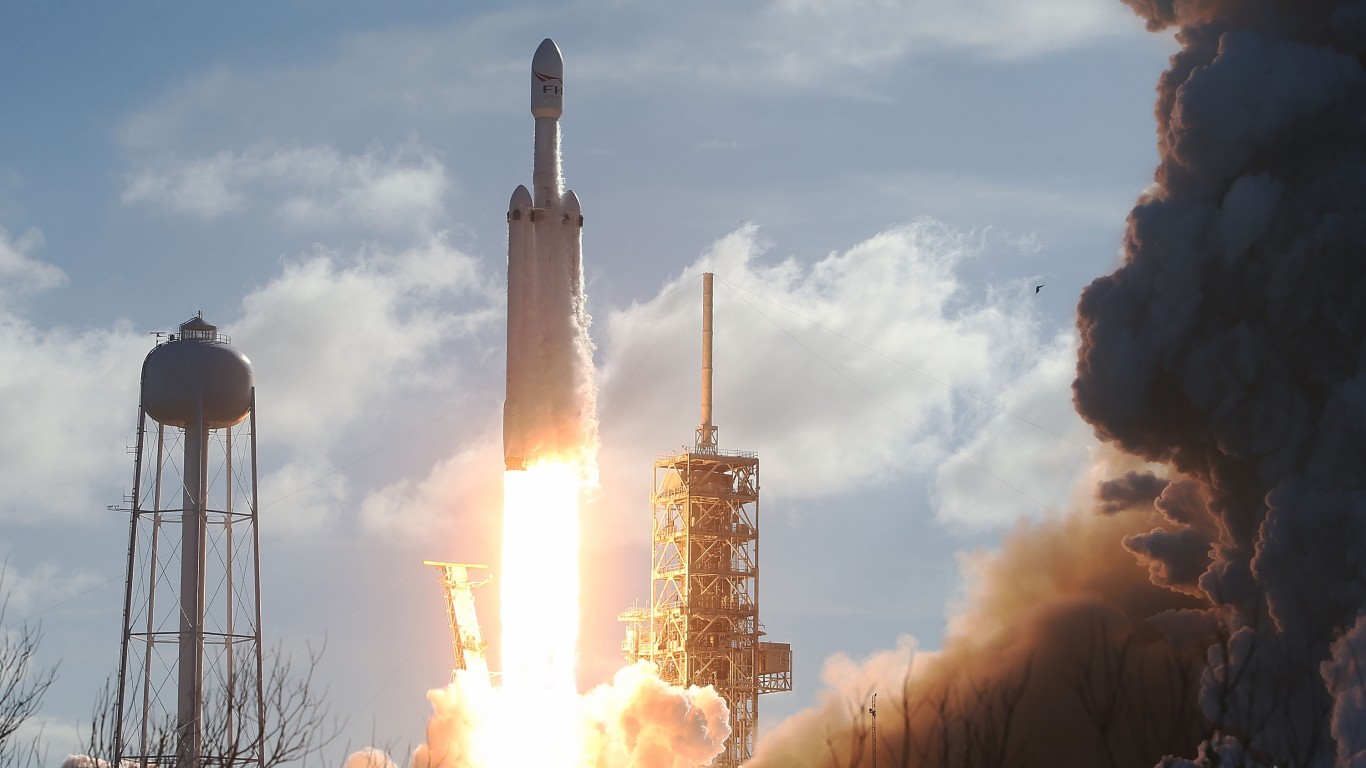
The IPO market has spent years waiting for a blockbuster debut capable of reopening the floodgates for new listings. SpaceX (NASDAQ:SPCX | SPCX Price Prediction) delivered exactly that. The aerospace and satellite giant completed the largest initial public offering in U.S. history, raising $85.7 billion after underwriters exercised their “greenshoe” option. For a market hungry for growth stories, it was a defining moment.
But IPO excitement and long-term shareholder returns are rarely the same thing. While SpaceX stock remains well above its $135 offer price, several developments suggest investors may want to look beyond the celebration and focus on what comes next.
A Historic Launch Followed by a Reality Check
SpaceX’s debut was everything IPO investors could have hoped for. Shares opened at $150, an 11% premium to the offering price, and finished their first day at $160.95, delivering a gain of more than 19%. Momentum continued for two more trading sessions, eventually pushing the stock to an intraday high of $225.64.
Yet cracks have started to appear. The stock has closed lower during the past two trading sessions and was down another 3.5% in Thursday’s after-hours trading. Even after the pullback, SpaceX ended the week roughly 37% above its IPO price.
That’s still an impressive gain. The issue for investors isn’t where the stock has been. It’s where supply and demand may be headed next.
Anysphere Acquisition Comes With a Cost
Only days after going public, SpaceX announced a $60 billion all-stock acquisition of AI coding company Anysphere.
Strategically, the deal makes sense. Anysphere strengthens SpaceX’s ambitions in artificial intelligence, an area attracting enormous investor interest. Combining AI capabilities with Starlink’s data network and SpaceX’s growing technology ecosystem could create new growth opportunities.
That said, the acquisition comes with a tradeoff. Because the transaction is being funded entirely with stock, SpaceX will issue new shares to complete the purchase. Every new share increases the total share count, reducing the ownership percentage of existing shareholders.
Dilution isn’t automatically bad. If Anysphere creates more value than the shares issued to acquire it, investors can still come out ahead. However, it means future earnings, cash flow, and other financial metrics will be spread across a larger shareholder base.
For a stock that has already enjoyed a strong post-IPO run, that’s an important consideration.
A Much Bigger Dilution Wave May Be Approaching
The Anysphere deal may only be the beginning. According to SpaceX’s SEC filings, a large number of restricted shares held by employees, early investors, venture capital firms, and insiders remain locked up for now. Those lockup restrictions eventually expire. When they do, billions of dollars worth of stock could become eligible for sale.
Moreover, before going public, SpaceX refinanced existing debt with a $20 billion bridge loan. According to the company’s IPO filing, if the loan is not repaid through other financing sources, SpaceX may be required to use IPO proceeds or raise additional capital by September 2027 to satisfy the obligation.
Management appears to be pursuing multiple options. Reports indicate SpaceX is preparing a bond offering of at least $20 billion to refinance the bridge facility. Yet management has also said it is willing to use its stock price as acquisition currency. It noted in its filing, “We plan to access a range of debt and equity financing solutions available to us as a public company to fund future investments in growth and to maintain strong liquidity.”
Investors can likely expect regular bouts of dilution, perhaps significant, in the near future.
Key Takeaway
In short, SpaceX’s IPO was a historic success, raising $85.7 billion and delivering a first-week gain of roughly 37% above its offer price. But smart investors should separate the business from the stock.
The Anysphere acquisition introduces immediate dilution, while future lockup expirations could release billions of dollars in additional shares onto the market. The short-term loan may add pressure. That combination creates headwinds that weren’t part of the IPO celebration.
Regardless of how attractive SpaceX’s long-term prospects remain, the near-term risk may not be slowing growth. It may be simple supply and demand. And right now, the supply side appears poised to grow much faster than many investors realize.
Contact [email protected] for any questions or corrections.
After two decades of patrolling the dark corners of suburbia as a police officer, Rich Duprey hung up his badge and gun to begin writing full time about stocks and investing. For the past 20 years, he’s been cruising the markets looking for companies to lock up as long-term holdings in a portfolio while writing extensively on the broad sectors of consumer goods, technology, and industrials. Because his experience isn’t from the typical financial analyst track, Rich is able to break down complex topics into understandable and useful action points for the average investor. His writings have appeared on The Motley Fool, InvestorPlace, Yahoo! Finance, Money Morning, and, of course, 24/7 Wall St. He has been featured in both U.S. and international publications, including MarketWatch, Financial Times, Forbes, Fast Company, and USA Today.