A New Bill Would Ban Lawmakers From Betting on Politics and Elections in Prediction Markets
CNBC’s Emily Wilkins reported last week that House lawmakers have introduced legislation that would prohibit members of Congress, their spouses, and dependent children from placing wagers in prediction markets on political, policy, or election outcomes. “House lawmakers are just dropping…


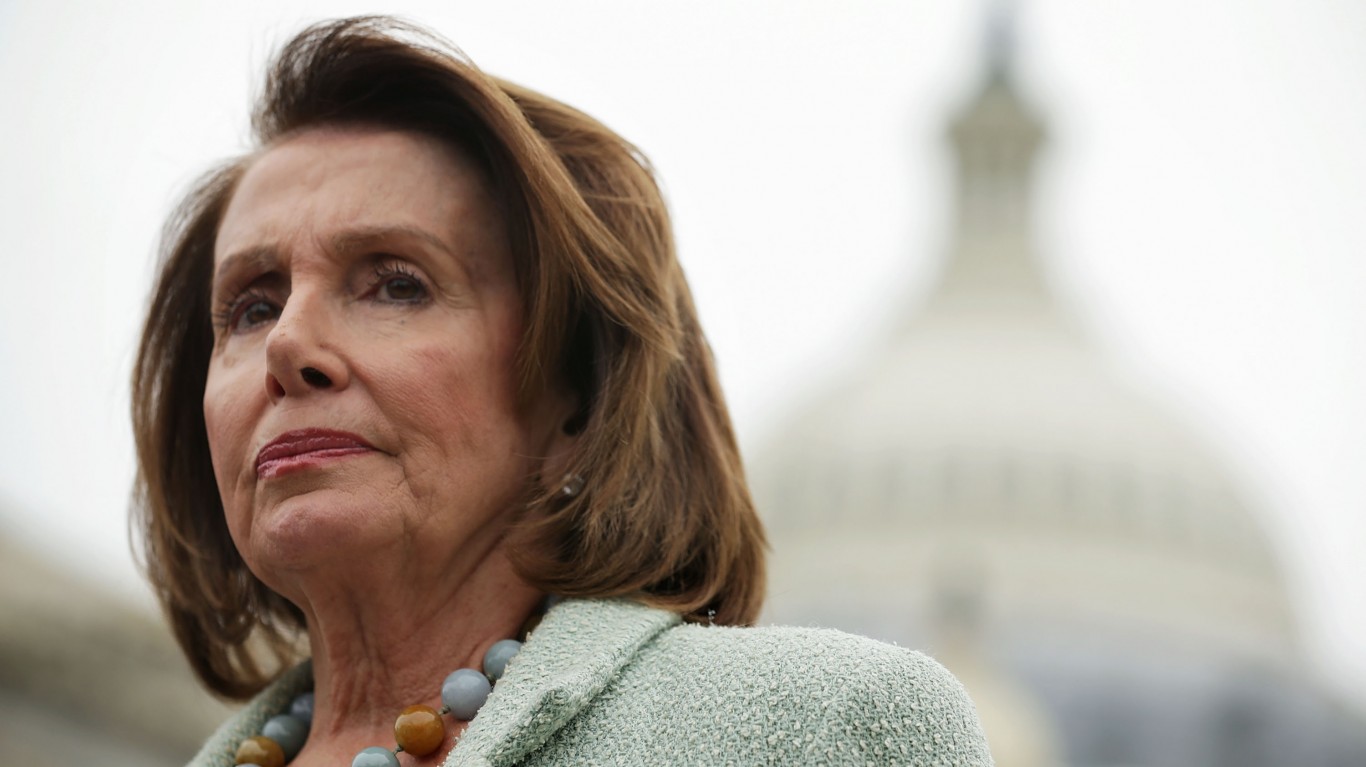
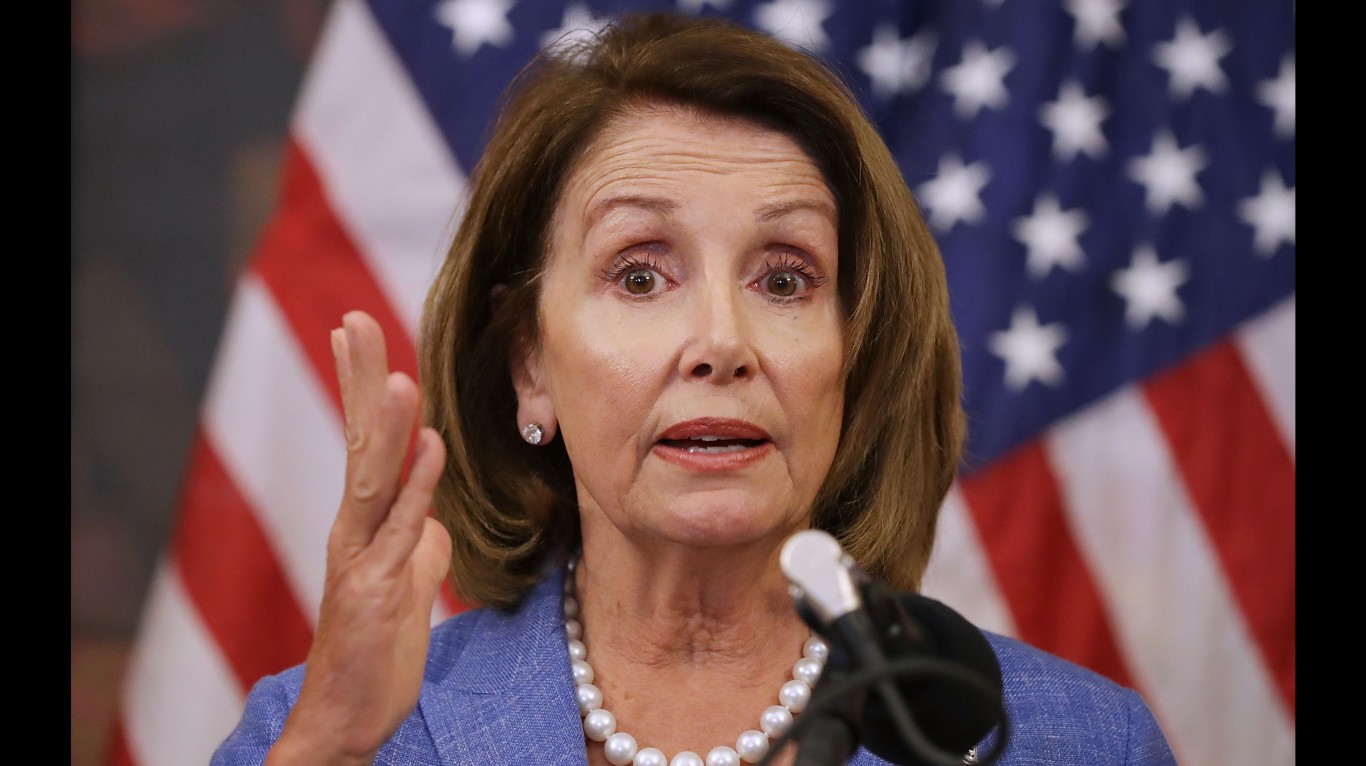
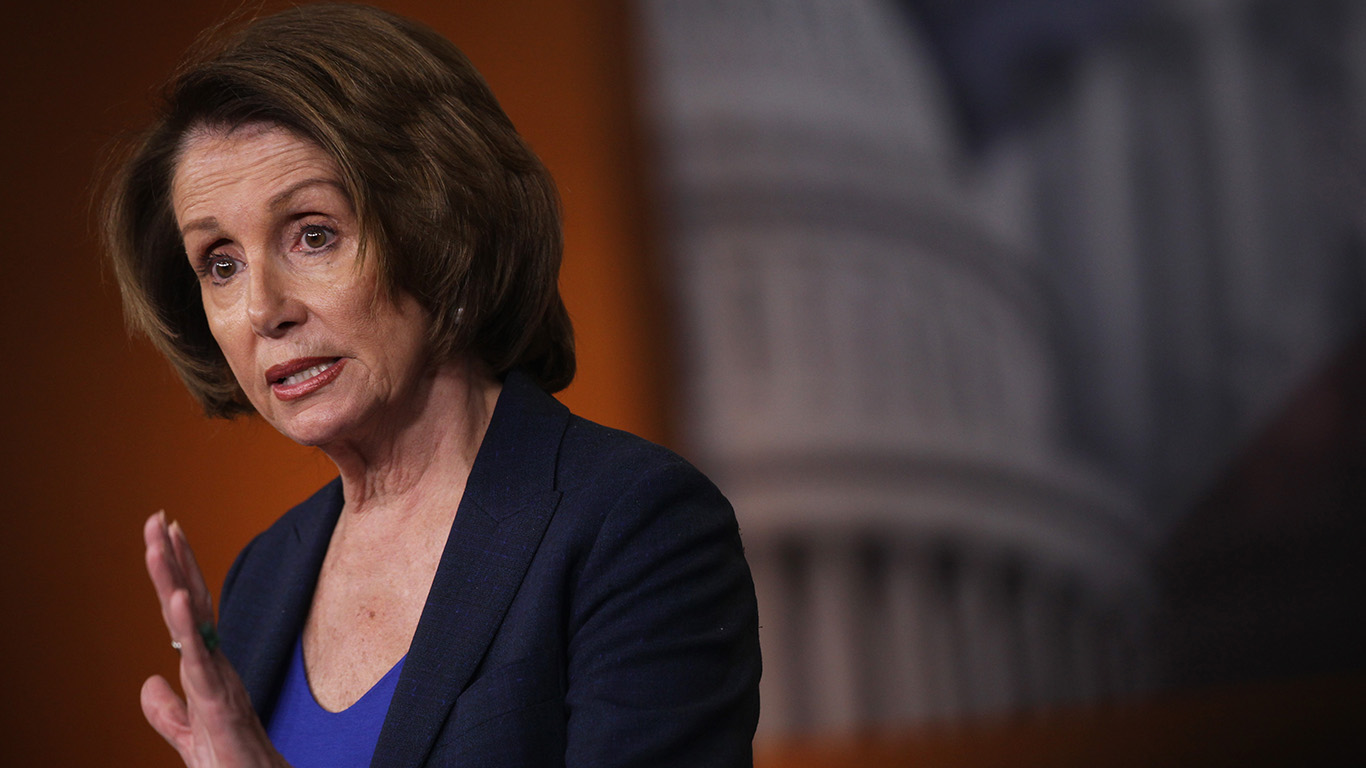
CNBC’s Emily Wilkins reported last week that House lawmakers have introduced legislation that would prohibit members of Congress, their spouses, and dependent children from placing wagers in prediction markets on political, policy, or election outcomes. “House lawmakers are just dropping a brand new bill that would ban lawmakers from making any bets in prediction markets on events related to politics, policy, elections,” Wilkins said on air. The bill, introduced by top Republican Brian Steele, arrives with high-level backing and a clear procedural strategy.
The bill and its backers
Steele’s measure has support from Speaker Mike Johnson and President Donald Trump, which matters because leadership endorsement is what gets niche reform bills floor time in a crowded calendar. The vehicle is the interesting part. “The plan is to attach it to that larger congressional stock ban bill and then try to actually get a vote on both of them before the end of the year,” Wilkins reported. Bundling a narrow prediction-market restriction with the much broader push to stop lawmakers from trading individual stocks turns two reforms into one package, and it gives members on both sides political cover to vote yes.
The trading data behind the stock-ban push is concrete. Recent disclosures show active portfolio activity by sitting House members, including Sara Jacobs selling between $500,001 and $1,000,000 of Qualcomm (NASDAQ:QCOM | QCOM Price Prediction) on May 6, 2026, Daniel Meuser making multiple NVIDIA (NASDAQ:NVDA) sales through the spring, and Jefferson Shreve exchanging between $5,000,001 and $25,000,000 in a Brighthouse Financial (NASDAQ:BHF) buffered annuity on February 9, 2026. Attaching prediction-market language to that backdrop is a way of saying that if Congress is going to ban one form of insider-adjacent trading, it should ban the one where lawmakers literally bet on their own actions.
Why prediction markets are drawing fire
Prediction markets have moved from academic curiosity to mainstream financial product faster than the regulatory apparatus around them. Platforms like Kalshi now offer dedicated Elections and Politics categories, with granular subcategories for US Elections, Primaries, House, Senate, and Governor races, plus a Politics bucket covering Trump, Congress, SCOTUS & courts, and international affairs. A House member voting on, say, a tariff package could in theory hold a position on whether that tariff passes. That is the conflict the bill targets.
“We want to make sure that the rules of the road that are in place are providing consumer protections and making sure individuals are not engaged in illegal behavior,” Steele said. Then there’s the offshore problem, which is where the industry’s real growth has been happening. “I am focused on making sure these prediction markets are governed by U.S. law under U.S. values, and American consumers are not engaged in transactions offshore that might be to their detriment,” he said. The lawmaker ban is the appetizer, with a wider framework on the menu.
What it means for the industry
For prediction-market operators, a narrow ban on roughly 535 federal officials plus their immediate families matters less in volume than in signal. Once Congress establishes that political prediction markets are serious enough to legislate around, the CFTC’s existing posture toward event contracts gets harder to roll back, and the case for a comprehensive federal regime gets easier to make. You can review the CFTC’s own framework for event contracts at the Commodity Futures Trading Commission, which has spent the past two years litigating with Kalshi over exactly this question.
For investors thinking about the sector, bipartisan momentum, presidential backing, and a year-end vehicle attached to a popular reform mean prediction markets are about to become a regulated category rather than a regulatory gray zone. Operators with U.S. licensing and clean compliance stand to benefit at the expense of offshore venues. The lawmakers writing the rules are also, conveniently, the ones who will no longer be able to bet on them.
Contact [email protected] for any questions or corrections.
Omor Ibne Ehsan is a writer at 24/7 Wall St. He is a self-taught investor with a focus on growth, cyclical, and dividend equities that have strong fundamentals, value, and long-term potential. He also has an interest in high-risk, high-reward investments such as penny stocks.