The Iran Ceasefire Is a Huge Gift to Kevin Warsh. The Rest Is Up to Him
For much of the past several months, the Federal Reserve appeared to be running out of room to stand still. Inflation was accelerating again, unemployment remained relatively low historically, and financial markets were beginning to price in the possibility that…

For much of the past several months, the Federal Reserve appeared to be running out of room to stand still. Inflation was accelerating again, unemployment remained relatively low historically, and financial markets were beginning to price in the possibility that the next move in interest rates might be higher, not lower.
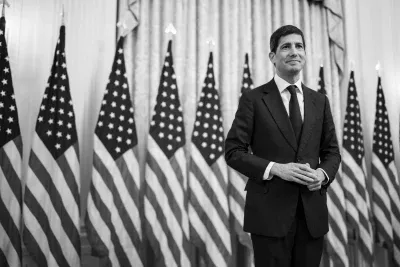
At the same time, the White House was pressing for easier monetary policy, creating a difficult backdrop for new Fed Chair Kevin Warsh. Now a ceasefire agreement involving Iran has altered the equation. By easing one of the biggest inflation risks facing the economy, it has given Warsh something valuable: time.
The Fed Was Drifting Toward Another Rate Hike
The latest inflation data showed prices rising at a 4.2% annualized rate, well above the Federal Reserve’s 2% target. Meanwhile, the labor market continued to show resilience, with unemployment remaining fairly stable.
Under normal circumstances, those are the ingredients that push central bankers toward tighter monetary policy.
The shift was already becoming visible in financial markets. Bond traders had begun adjusting expectations for the possibility that rates could move higher later this year rather than lower. The logic was straightforward: if inflation remained elevated while economic growth stayed healthy, the Fed would need to act.
That view wasn’t limited to Wall Street. Dallas Federal Reserve President Lorie Logan said earlier this month that another rate increase might be necessary if inflation failed to cool. Coming from one of the Fed’s most influential policymakers, the comments underscored that rate hikes were no longer a theoretical discussion.
Why Oil Matters More Than Most Investors Realize
The ceasefire agreement and reopening of the Strait of Hormuz immediately reduced fears of a prolonged disruption in global energy supplies. Oil prices, which had surged on geopolitical concerns, quickly retreated below $80 per barrel.
Energy prices influence far more than what consumers pay at the pump. Gasoline prices feed directly into inflation reports. They also affect transportation costs, airline tickets, shipping expenses, manufacturing costs, and ultimately the prices consumers pay for everyday goods. When oil rises sharply, inflation often follows. When oil falls, inflationary pressure tends to ease.
The Federal Reserve cannot produce more oil. It cannot reopen shipping lanes. It cannot negotiate ceasefires. What it can do is avoid making policy mistakes while those external forces work their way through the economy.
This may be exactly the opening Warsh needed.
A Strong Case for Standing Pat
President Trump has repeatedly argued that rates should move lower, though his rhetoric has softened as inflation concerns resurfaced.
Warsh now has a path that avoids both a politically charged rate cut and an economically risky rate hike. Instead, he can make the case for patience.
If declining oil prices begin filtering through to gasoline prices during the coming weeks, inflation could cool without any intervention from the Fed. That would allow policymakers to gather more data before committing to another move.
Granted, inflation remains above target and one month of lower energy prices won’t solve every problem. Housing, services, and wage growth remain important drivers of inflation.
That said, the ceasefire reduces one of the most immediate threats facing policymakers. The urgency behind a rate hike has diminished, at least for now.
Key Takeaway
In short, the Iran ceasefire handed Kevin Warsh a rare opportunity. Just weeks ago, rising inflation, low unemployment, and higher oil prices were pushing the Federal Reserve toward a difficult decision. Today, falling energy prices offer a potential release valve. The smart move may be neither a rate cut nor a rate hike.
Instead, Warsh can argue for a wait-and-see approach while monitoring whether lower gasoline prices translate into lower inflation readings. Ultimately, the ceasefire didn’t solve the Fed’s inflation problem, but it may have postponed the need for immediate action. For investors, that means the next few inflation reports could matter more than whatever Warsh states today.
Contact [email protected] for any questions or corrections.
After two decades of patrolling the dark corners of suburbia as a police officer, Rich Duprey hung up his badge and gun to begin writing full time about stocks and investing. For the past 20 years, he’s been cruising the markets looking for companies to lock up as long-term holdings in a portfolio while writing extensively on the broad sectors of consumer goods, technology, and industrials. Because his experience isn’t from the typical financial analyst track, Rich is able to break down complex topics into understandable and useful action points for the average investor. His writings have appeared on The Motley Fool, InvestorPlace, Yahoo! Finance, Money Morning, and, of course, 24/7 Wall St. He has been featured in both U.S. and international publications, including MarketWatch, Financial Times, Forbes, Fast Company, and USA Today.