Why Tesla Fatal Accidents Don’t Matter To The Company’s Success
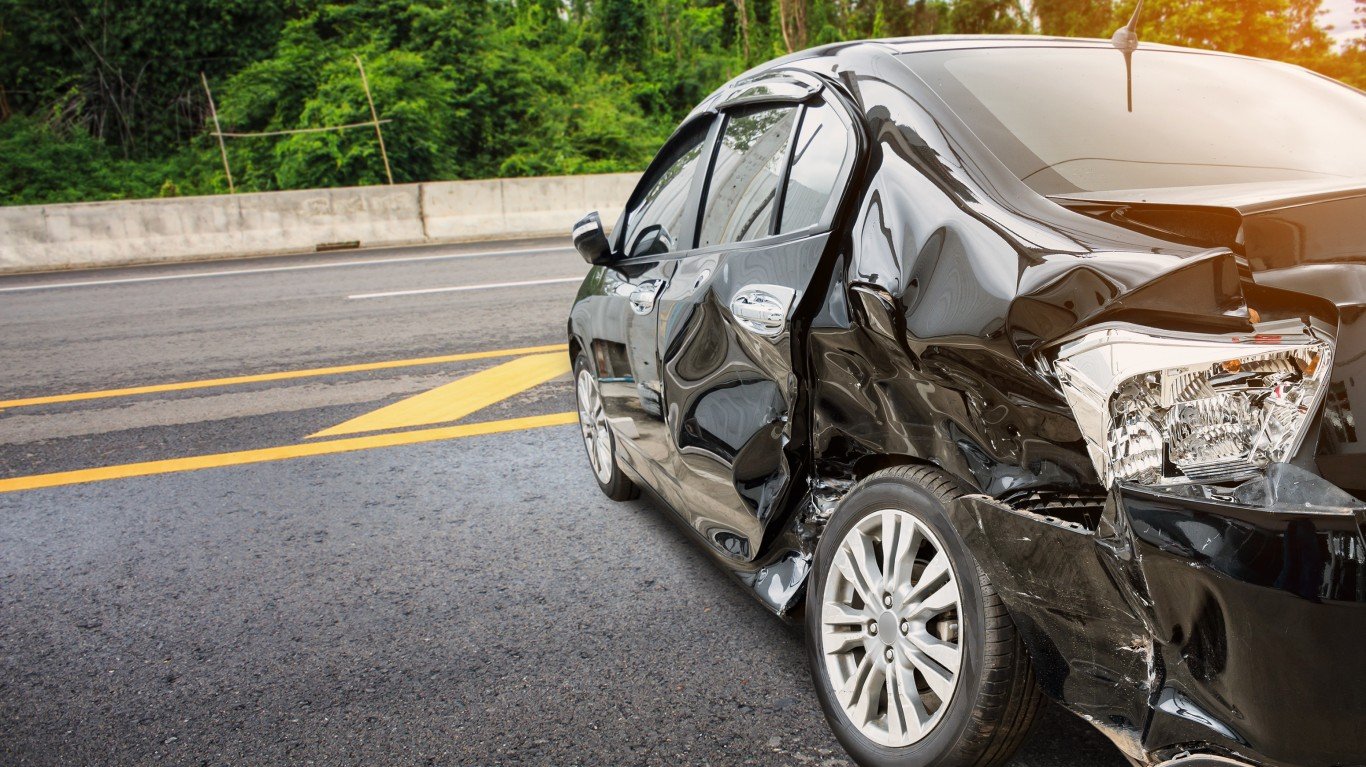
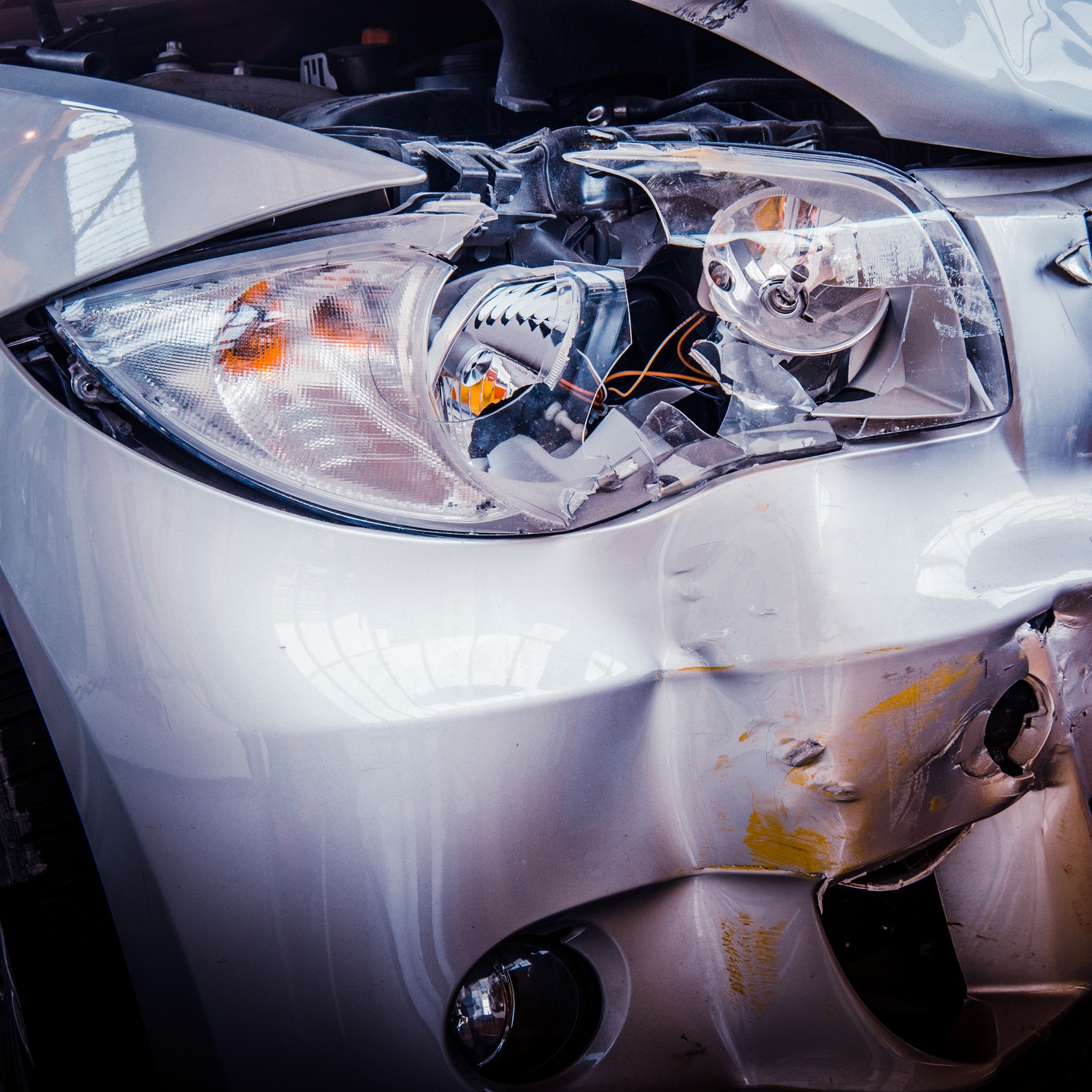
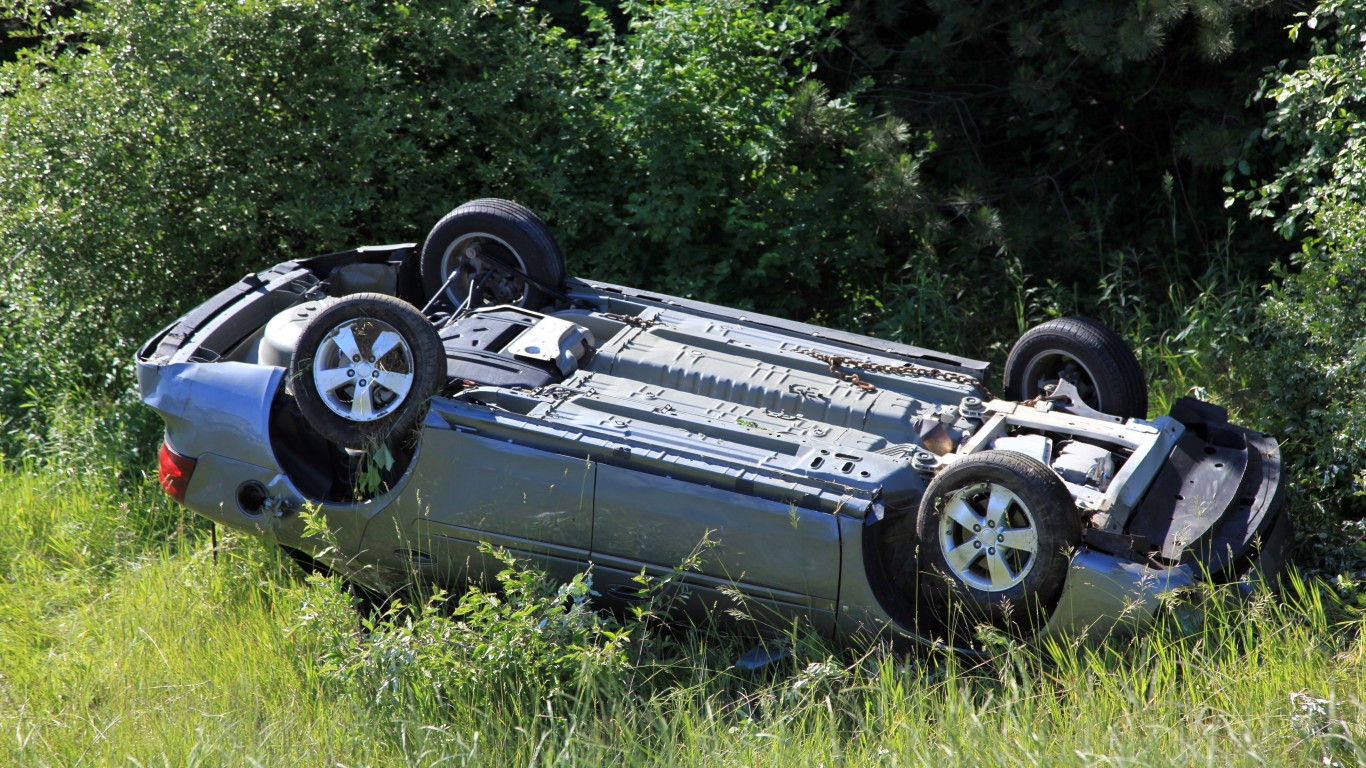
A woman in Texas was killed when a Tesla (NASDAQ: TSLA | TSLA Price Prediction) crashed into her home. The car was traveling at a high speed. It may be that the driver was using one of Tesla’s self-driving features.…

A woman in Texas was killed when a Tesla (NASDAQ: TSLA | TSLA Price Prediction) crashed into her home. The car was traveling at a high speed. It may be that the driver was using one of Tesla’s self-driving features. Early reports say the driver was not impaired by alcohol or drugs. No matter what car was involved, it was horrible.
Accidents that kill people are tragedies, no matter which make of car was involved and the condition of the driver. About 30% of traffic fatalities involve someone who has a Blood Alcohol Concentration (BAC) of 0.08% or higher. (This is usually the level which is considered “drunk” and a level where driving is illegal.)
When a Tesla vehicle crashes, it often leads to front-page news. The National Highway Traffic Safety Administration is investigating 58 incidents in which Tesla’s Full Self-Driving mode was engaged. Some of these accidents go back several years.
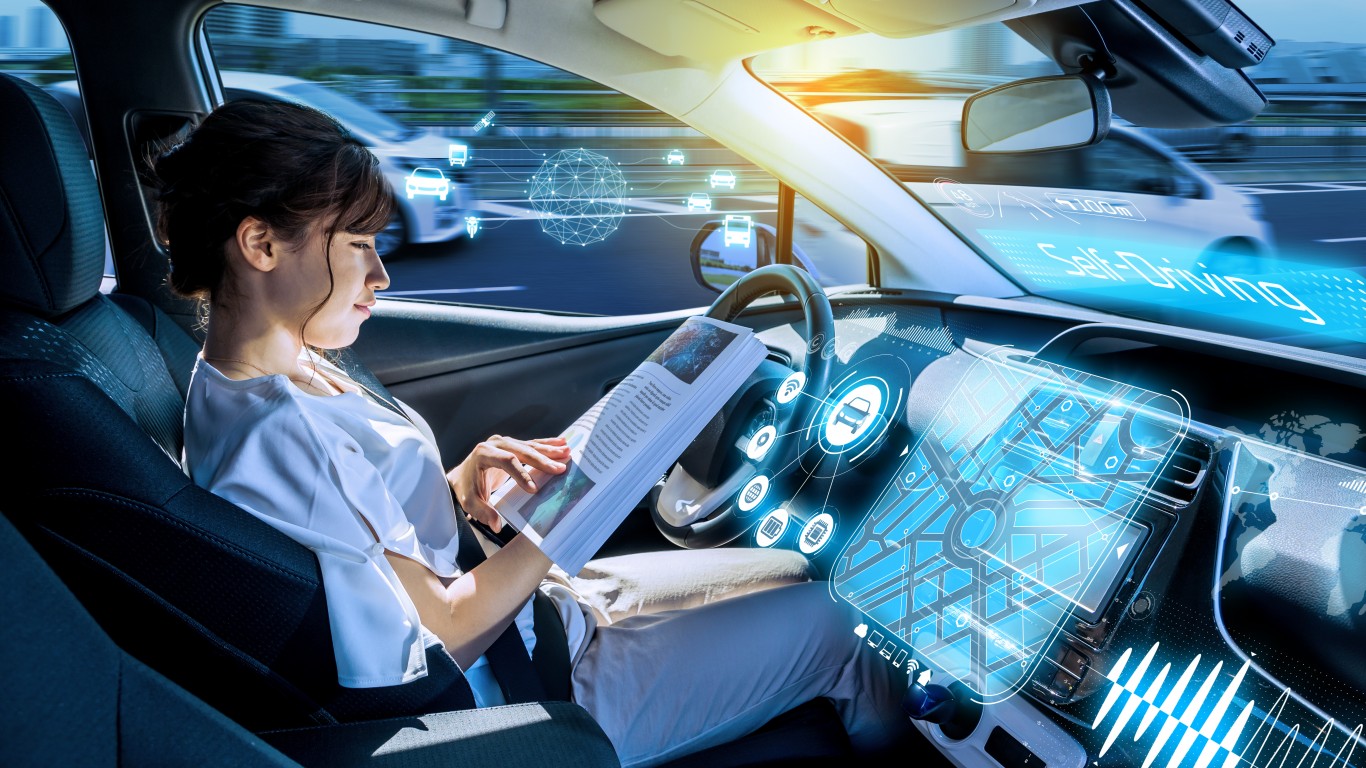
Tesla has about three million vehicles on the road that have its “Full Self-Driving (Supervised).” That does not mean that all three million drivers use the system.
A few things are worth pointing out. Several, if not most, of the accidents involved drivers who were not keeping an eye on the road. This may seem to be an unimportant issue. However, Tesla makes it clear that people who use “Full Self-Driving (Supervised)” are making a risky decision. The distinction may seem unimportant, but Tesla has made it clear that drivers who ignore the road are ignoring a Tesla warning.
Because of the issue of whether people have their eyes on the road, it is difficult, if not impossible, to tell how many accidents involve the Tesla rule.
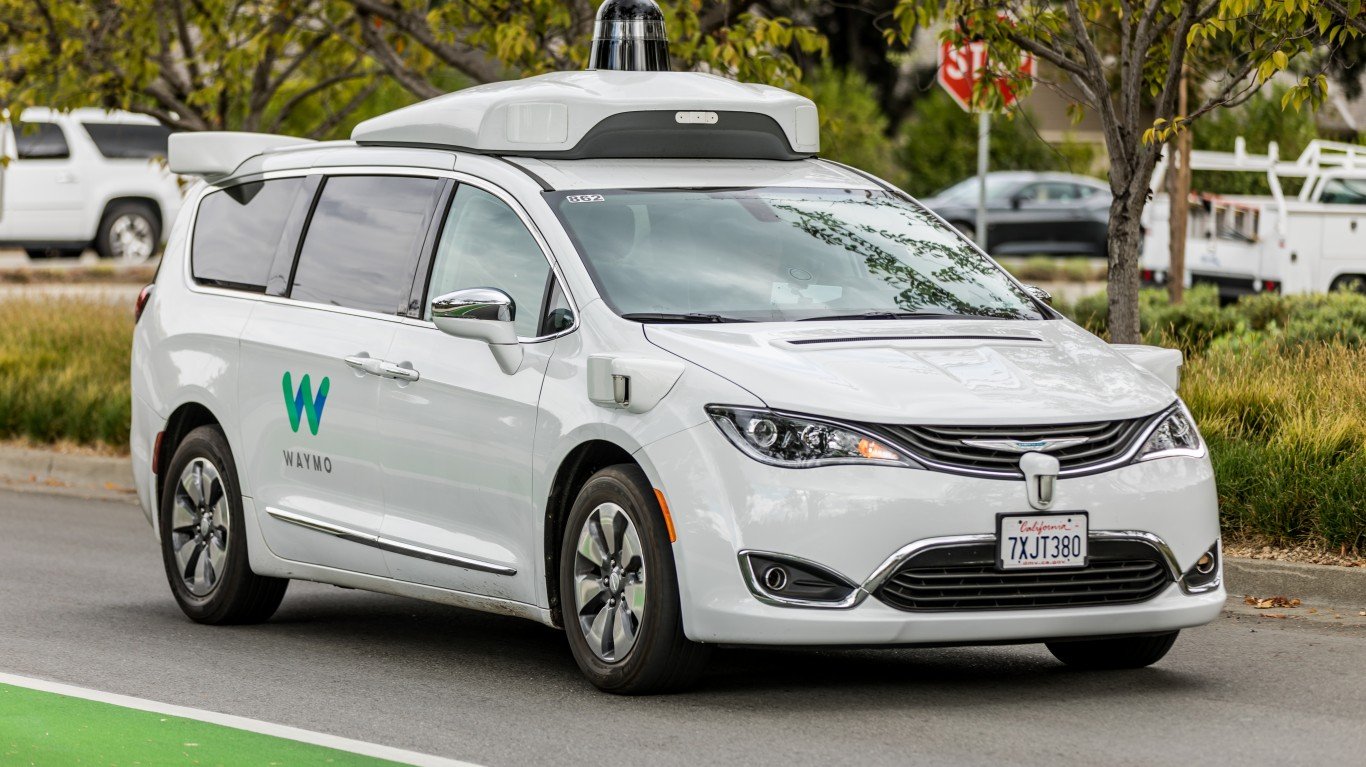
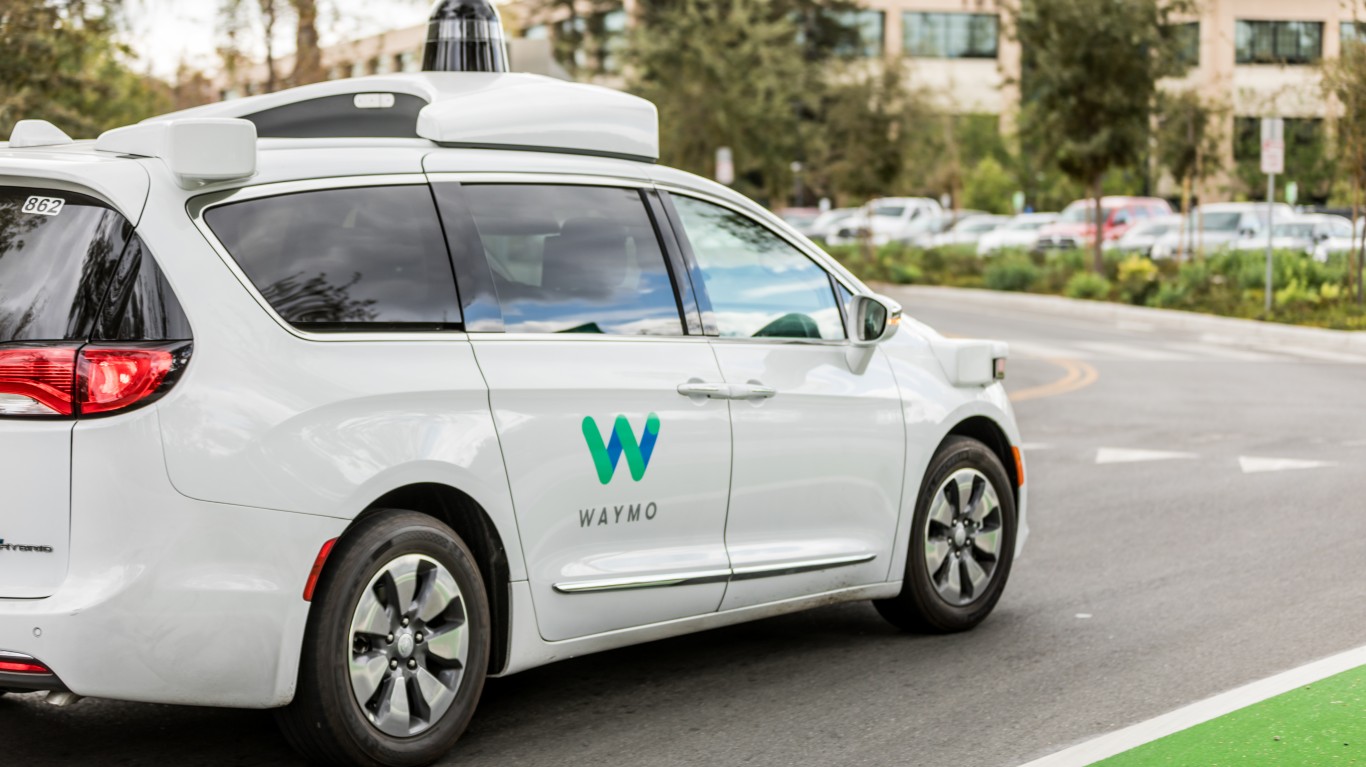
The most important question is whether self-driving (even if aided by humans) cars are safer than human-driven cars. In a New York Times story, Jonathan Slotkin, a neurosurgeon, pointed out that “Waymo’s self-driving cars were involved in 91 percent fewer serious-injury-or-worse crashes and 80 percent fewer crashes causing any injury.” Waymo is Google’s self-driving technology. Is Slotkin right? There is ample evidence that he is. However, the broad use of self-driving vehicles has not been approved in any US city. Waymo accidents are widely reported, as are Tesla’s. That does not negate the evidence that these vehicles are safer than humans.
Tesla has its own data on self-driving safety. The public may be skeptical because the data may be self-serving.
Most of the arguments about self-driving cars today are whether people who get in accidents have broken the overriding rule. “Keep your eyes on the road.” If every fatal car accident of any kind in the US were reported to the extent that the Tesla ones are, there would be no room for any other stories in the news. There are almost 17,000 car accidents a day, based on those reported to law enforcement.
Tesla has had at least one case in which it had to pay damages for an accident. A jury in Florida decided that a Tesla was one-third responsible for an accident. The driver was talking on his phone.
Courts are, in general, not blaming Tesla for these accidents. And, most importantly for Tesla, people continue to buy its cars. There is no evidence that people are avoiding purchases, because they probably plan to keep their eyes on the road.
Contact [email protected] for any questions or corrections.
Douglas A. McIntyre is the co-founder, chief executive officer and editor in chief of 24/7 Wall St. and 24/7 Tempo. He has held these jobs since 2006.
McIntyre has written thousands of articles for 24/7 Wall St. He is an expert on corporate finance, the automotive industry, media companies and international finance. He has edited articles on national demographics, sports, personal income and travel.
His work has been quoted or mentioned in The New York Times, The Wall Street Journal, Los Angeles Times, The Washington Post, NBC News, Time, The New Yorker, HuffPost USA Today, Business Insider, Yahoo, AOL, MarketWatch, The Atlantic, Bloomberg, New York Post, Chicago Tribune, Forbes, The Guardian and many other major publications. McIntyre has been a guest on CNBC, the BBC and television and radio stations across the country.
A magna cum laude graduate of Harvard College, McIntyre also was president of The Harvard Advocate. Founded in 1866, the Advocate is the oldest college publication in the United States.
TheStreet.com, Comps.com and Edgar Online are some of the public companies for which McIntyre served on the board of directors. He was a Vicinity Corporation board member when the company was sold to Microsoft in 2002. He served on the audit committees of some of these companies.
McIntyre has been the CEO of FutureSource, a provider of trading terminals and news to commodities and futures traders. He was president of Switchboard, the online phone directory company. He served as chairman and CEO of On2 Technologies, the video compression company that provided video compression software for Adobe’s Flash. Google bought On2 in 2009.