You’re Probably Paying Twice for NVIDIA, Apple, and Microsoft Without Realizing It
The Technology Select Sector SPDR Fund (NYSEARCA:XLK) charges a sticker fee so small it looks like a rounding error. The real bill shows up in how much of your money is riding on three stocks you probably already own through…

This post may contain links from our sponsors and affiliates, and Flywheel Publishing may receive compensation for actions taken through them.

The Technology Select Sector SPDR Fund (NYSEARCA:XLK) charges a sticker fee so small it looks like a rounding error. The real bill shows up in how much of your money is riding on three stocks you probably already own through your S&P 500 fund.
What You’re Actually Paying
XLK’s expense ratio sits at 0.08%, or roughly $8 a year per $10,000 invested, per State Street’s March 20, 2026 fact sheet. That is cheap. Cheaper than most actively managed ETFs, which State Street pegs at an asset-weighted average of 42 basis points, with complex strategies pushing past 70.
XLK’s real cost is structural, hidden beneath the headline fee. And it compounds in a way the $8 figure hides.
The Part the Factsheet Doesn’t Highlight
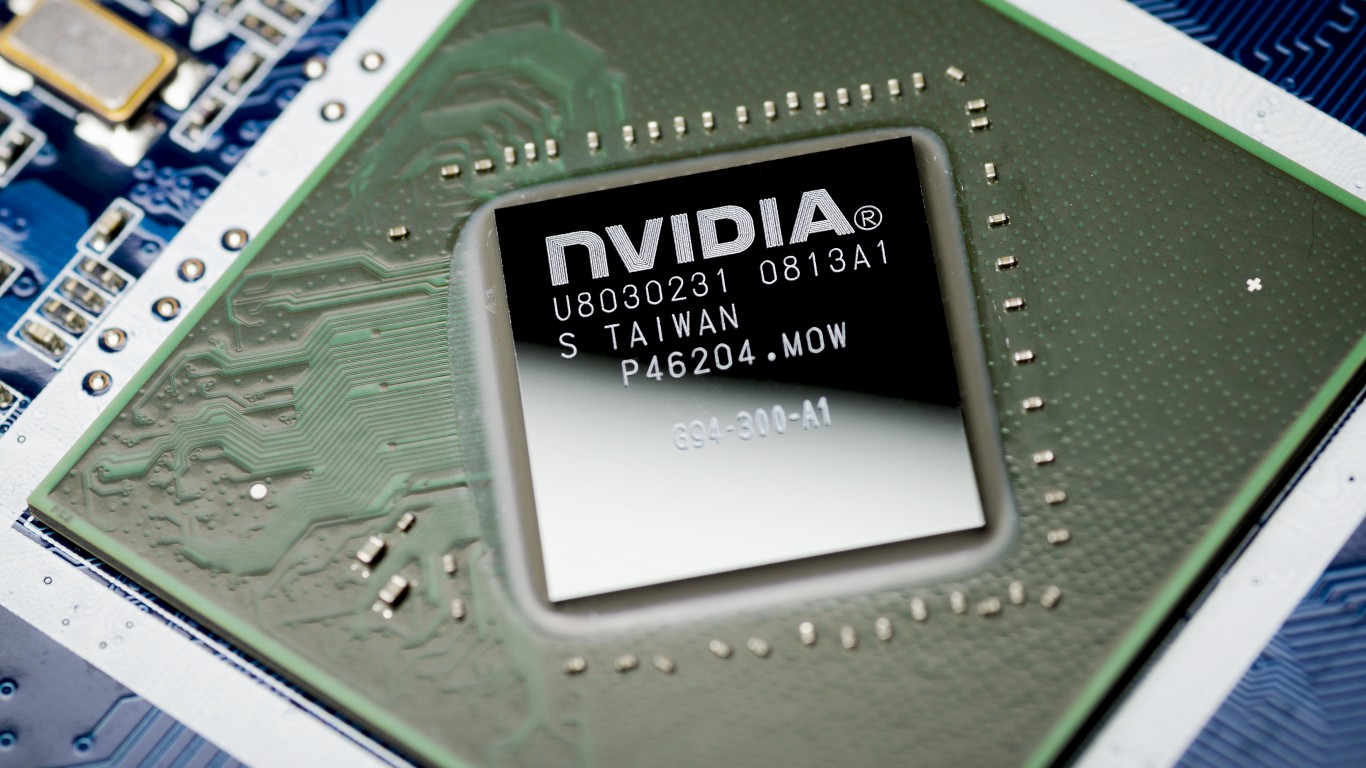
Open the holdings page and the concentration is brutal. NVIDIA sits at 14.93% of the fund, Apple at 13.23%, and Microsoft at 11.84%. Together, those three names make up 40.00% of net assets. Add Broadcom at 5.38% and you are past 45% in four tickers.
Here is the catch. Those same four stocks already dominate the S&P 500. If you own a total-market or S&P 500 index fund alongside XLK, you are doubling down on the same names. That overlap is the cost buried in the marketing copy, surfacing as drawdown risk the day the top holding stumbles. On June 23, 2026, XLK fell 4.14% in a single session, while Invesco QQQ Trust (NASDAQ:QQQ) dropped 3.29%. That gap is concentration showing up in real time.
There is a tax angle, too. XLK rebalances quarterly to track the Technology Select Sector Index. When mega-cap weights drift past index caps, the fund must trim winners, a process that historically pushes turnover and can surface taxable distributions in non-retirement accounts. Investors should pull the most recent capital gains distribution history from State Street before buying in a brokerage account.
The Cheaper, Broader Mirror
An alternative covers roughly the same exposure with less single-stock risk. The Vanguard Information Technology ETF (NYSEARCA:VGT) holds hundreds more names, spreading weight further down the tech stack into mid-caps XLK ignores. Over the past five years, XLK returned 163.05% while VGT returned 143.86%, a gap driven largely by the top holding’s outsized weight in XLK. But over ten years, XLK is up 868% against VGT’s 868.11%. Functionally identical, with VGT carrying broader diversification.
The trade-off is straightforward. XLK lets you ride the top three names harder. VGT lets you ride the sector without betting the farm on one chip designer.
What This Means for You
The question worth asking before adding XLK to a portfolio already anchored by an S&P 500 fund: am I buying tech exposure, or am I just paying eight dollars per ten thousand to triple my mega-cap weighting? The duplication is the hidden cost.
Contact [email protected] for any questions or corrections.
I am a long time investor and student of business, and believe finding good companies that can become great investments is the best game on earth. After 20 years of writing and researching the public markets it is clear that individuals have never had more tools and information to take control of their financial lives. From ETFs and $0 commissions to cryptos and prediction markets there has never been a greater democratization of access to investing.
I write to help people understand the investments available to them so they can make the best choice for their portfolio, whether they're starting out or looking for income in retirement.