AI Data Centers Are Driving a Power Supercycle. GE Vernova’s Gas Turbine Prices Are Up 300% in Three Years
The race to power AI is increasingly a race to secure megawatts, and a CNBC segment by Seema Mody put a sharp spotlight on the company sitting at the chokepoint: GE Vernova (NYSE:GEV | GEV Price Prediction). GE Vernova is…

The race to power AI is increasingly a race to secure megawatts, and a CNBC segment by Seema Mody put a sharp spotlight on the company sitting at the chokepoint: GE Vernova (NYSE:GEV | GEV Price Prediction).
GE Vernova is the power-equipment business spun off from General Electric in April of 2024. According to the report, gas turbine prices have climbed roughly 300% over the past three years, and the company expects them to keep rising as hyperscalers scramble to lock in on-site generation for AI data centers.

Why Hyperscalers Are Lining Up at GE Vernova
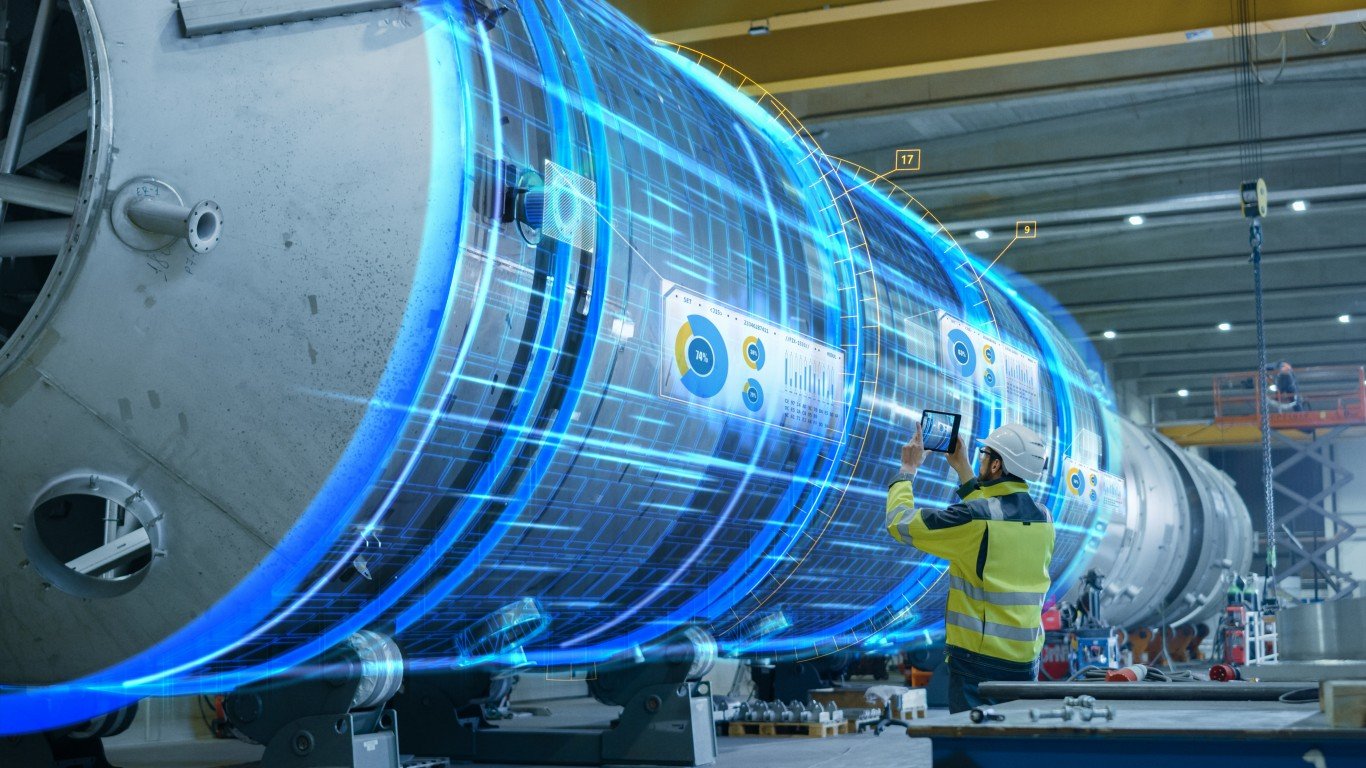
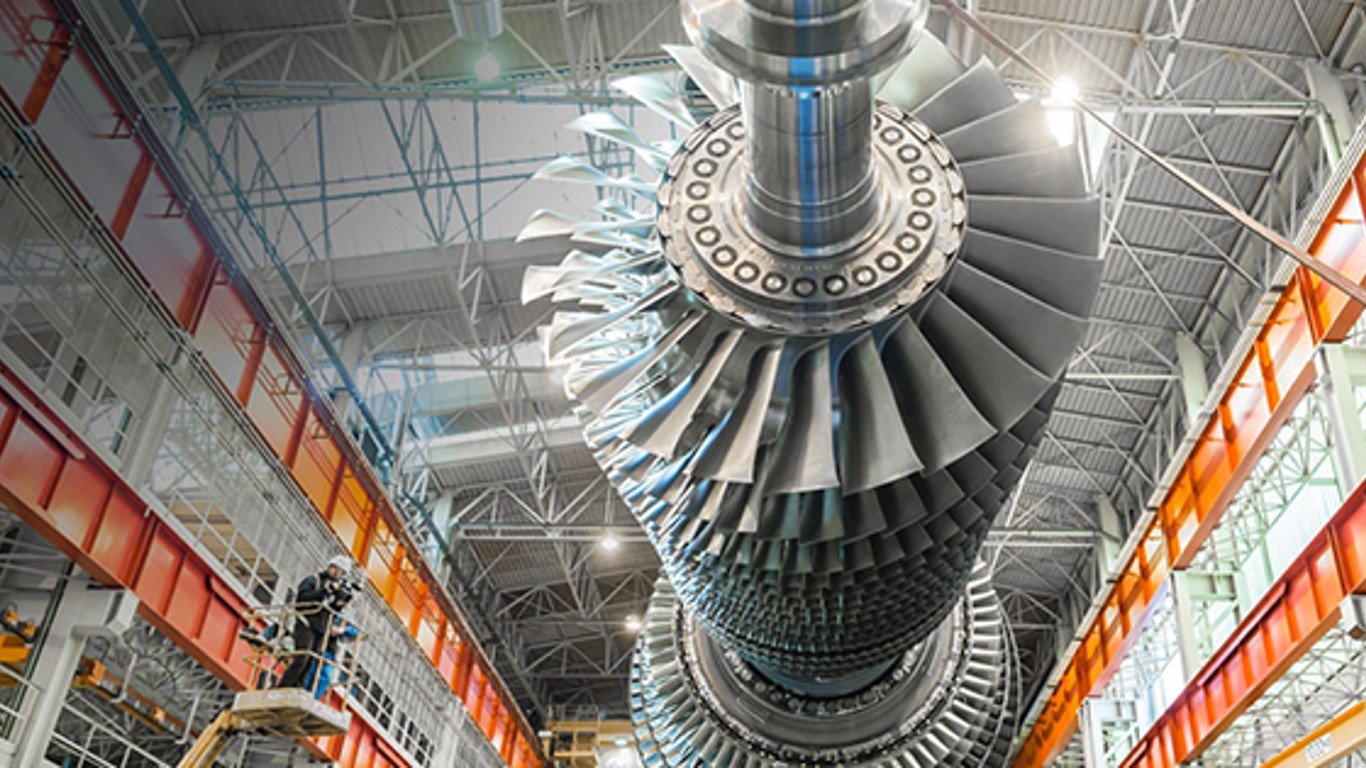
Many AI campuses cannot wait years for grid interconnection, so they are buying their own power plants. CNBC reported from GE Vernova’s 400-acre Greenville, South Carolina facility, which the company says is the world’s largest gas turbine manufacturing plant.
Each unit stands roughly 30 feet tall and can power more than 500,000 homes, according to the company. To meet demand, GE Vernova says it added 200 employees last year and plans to hire roughly 300 more, spanning engineers, industrial designers, and factory workers.
CNBC cited Microsoft ordering seven turbines for a roughly 2.7 GW Texas data center, with Meta, Google, OpenAI, and Anthropic also reportedly queuing up. That order aligns with the publicly disclosed Project Kilby, a 2.67 gigawatt, 20-year power purchase agreement in the West Texas Permian Basin between Microsoft and Chevron, with first power slated for 2028 and turbines supplied by GE Vernova.
The Numbers Behind the Supercycle
CEO Scott Strazik has been calling this the start of an electrification infrastructure supercycle, and the order book backs it up. In Q1 2026, GE Vernova booked $18.3 billion in orders, up 71% organically, on revenue of $9.30 billion. The Electrification segment alone took in $2.4 billion in data center equipment orders in a single quarter, exceeding the full-year 2025 total.
Pricing power is the more striking signal. On the earnings call, Strazik told analysts that “we expect our orders in 2026 to be priced 10 to 20 points higher than our Q4 2025 orders on a dollar per kW basis.” Gas Power’s combined backlog and slot reservation agreements grew sequentially from 83 to 100 gigawatts, with management targeting at least 110 GW by year-end 2026.
Management raised the year, guiding revenue to $44.5 billion to $45.5 billion, adjusted EBITDA margin to 12% to 14%, and free cash flow to $6.5 billion to $7.5 billion. The 2028 plan targets $56 billion in revenue at a 20% adjusted EBITDA margin.
What the Market Is Paying For
Today, GE Vernova trades at $1,036.24, with shares up 58.65% year-to-date and 107.6% over the past year. The market cap sits near $298 billion, and the stock carries a forward P/E of roughly 40. Bernstein recently initiated coverage at Outperform with a $1,206 price target, while analysts’ consensus price target sits at $1,211.72.
MetLife and PineBridge’s 2026 equity outlook calls data center equipment growth “essentially locked in for the next four to five years,” projecting roughly 25% annual growth driven by transmission and electrical infrastructure constraints. The EIA’s high-demand scenario sees data center server electricity use rising to 818 billion kilowatt-hours in 2050, more than 16 times 2020 levels.
GEV’s Risks Worth Watching
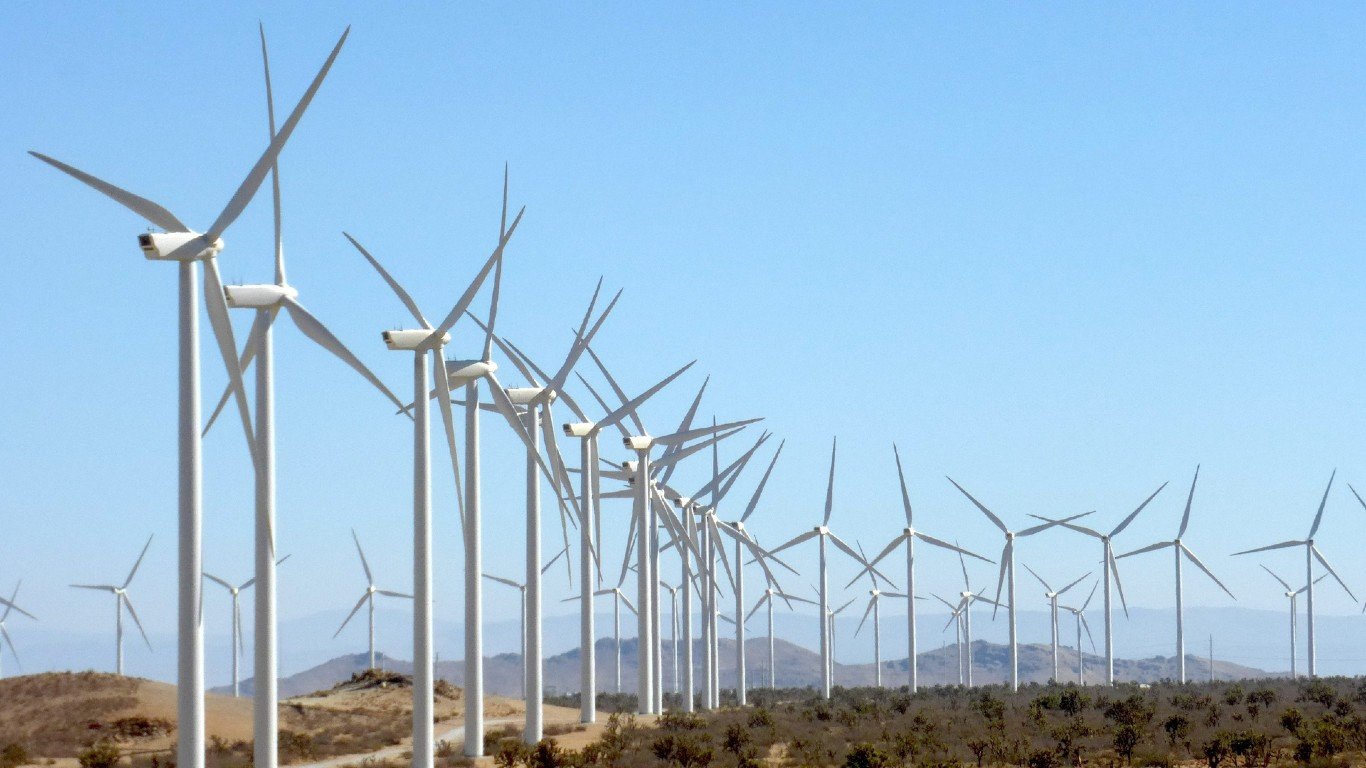
Even with tailwinds from the AI power boom, GE Vernova still carries execution risks. The company’s Wind segment remains under pressure, with first-quarter revenue down 23% and management expecting roughly $400 million in EBITDA losses this year. Investors should also monitor tariff exposure, manufacturing capacity expansion, and the stock’s valuation following its strong run. A roughly 12% pullback from May highs is a reminder that even supercycle winners can experience sharp corrections.
Contact [email protected] for any questions or corrections.
Thomas Richmond is a financial writer and content strategist with 5+ years of experience covering stocks and financial markets. He has published over 500 articles focused on individual stock analysis, helping investors better understand business fundamentals, stock valuations, and long-term opportunities.
Thomas previously served as a Content Lead at TIKR, a stock research platform, where he helped scale the company’s blog to hundreds of articles per month and contributed to a weekly newsletter reaching more than 100,000 investors.
Outside of work, Thomas enjoys weight lifting and soccer.