Retail Investors Sold NVIDIA, Microsoft, and Oracle to Fund SpaceX Buys. What’s the Next ‘Mega-Cap Tech Stock?’
Retail investors have spent the last decade riding a simple playbook: buy the dip in mega-cap tech. JJ Kinahan, Senior VP of Retail and Alternative Investments at Cboe Global Markets, told CNBC’s Squawk Box on June 24, 2026 that the…


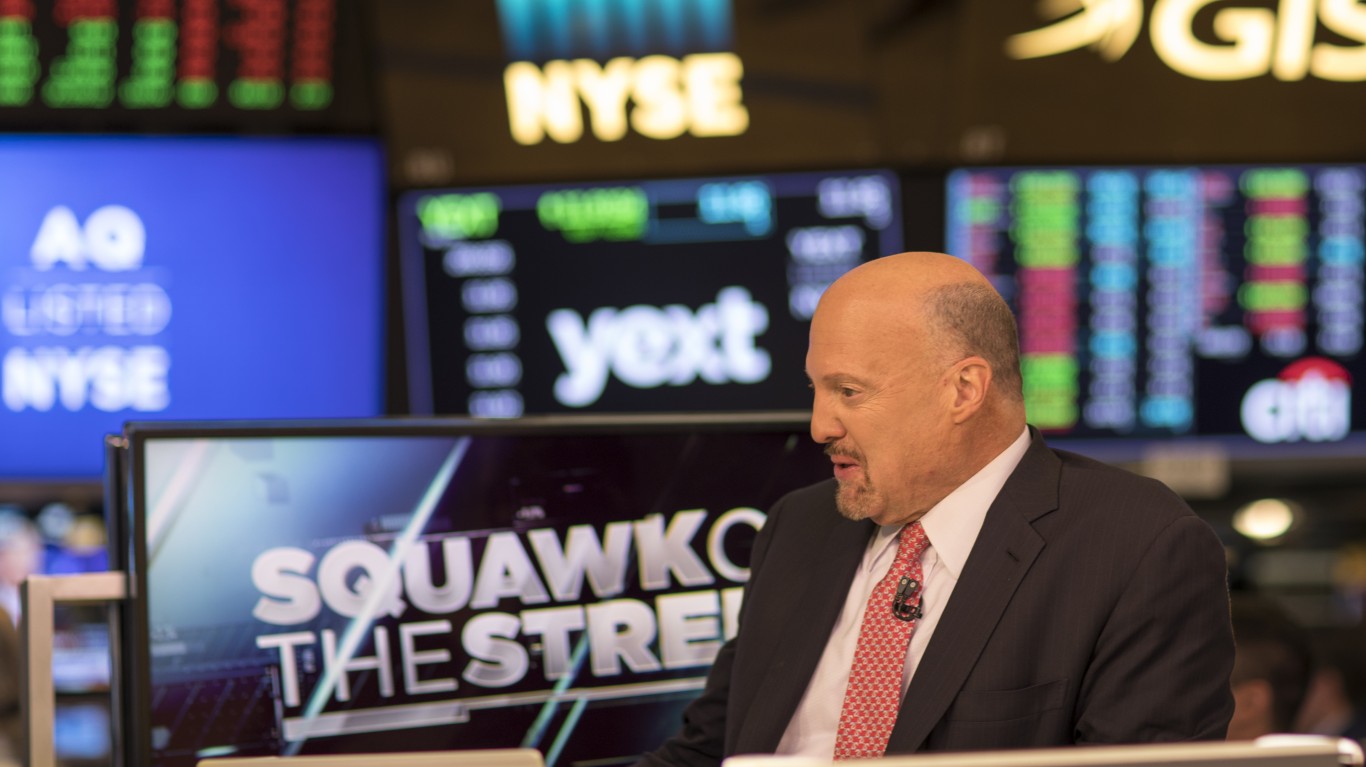
Retail investors have spent the last decade riding a simple playbook: buy the dip in mega-cap tech. JJ Kinahan, Senior VP of Retail and Alternative Investments at Cboe Global Markets, told CNBC’s Squawk Box on June 24, 2026 that the playbook is still intact. The problem is figuring out which stock leads the next leg higher.
The Leadership Vacuum Kinahan Sees
For years, the rotation went Apple, then Microsoft, then NVIDIA. According to Kinahan, “none of those three at the moment are really the ones that people are stepping up for.” The data backs that up.
NVIDIA (NASDAQ:NVDA | NVDA Price Prediction) trades at $200.74, down 6.99% over the past month even after reporting revenue of $81.61 billion, up 85.2% year-over-year. Data Center revenue climbed 92% to $75.25 billion, and the board authorized an additional $80 billion buyback on May 18.
Microsoft (NASDAQ:MSFT) sits at $373.79, down 22.33% year-to-date, despite an AI business now running at a $37 billion annual rate, up 123% YoY. Oracle (NYSE:ORCL) trades at $158.06, down 12.3% in the last week alone, even after reporting $638 billion in remaining performance obligations.
Three mega-caps, three different stories, one shared trait: retail is no longer treating them as the obvious buy. Throw in the fact they’ve become popular “funding shorts” for hedge funds and pod shops, and you have an environment where there’s little demand for these companies’ shares even as results continue to be very impressive.
The SpaceX Liquidation Cascade
Kinahan tied much of the recent selling to the SpaceX (Nasdaq: SPCX) IPO, which sparked a liquidation cascade as investors raised cash to participate. He noted that SpaceX set a record for most options traded on a stock’s first day post-IPO and has since come back to its IPO price.
SpaceX is currently trading for $158.34, down 22.64% over the past week. Reddit posts like “SpaceX stock tumbles 16.4%, shaving off most IPO gains since debut” drew over 2,700 upvotes, while a thread titled “I’ve made loss in every AI stock!” pulled in 3,416 upvotes and 552 comments. Retail traded the rotation. Many got hurt on both sides.
The AI Repricing Risk
Kinahan’s bigger concern is AI repricing. So much capital has gone into AI infrastructure that the market is now demanding proof of return. Oracle’s full-year capex hit $55.66 billion with free cash flow at negative $23.69 billion. Microsoft’s Q3 capex came in at $30.88 billion, up 84.39% YoY. Recent estimates from Epoch AI have Amazon’s data center spend already crossing the cash flow they generate. Microsoft is expected to cross in Q3 2028.
Kinahan expects tougher questions in upcoming earnings calls on whether that spending is converting into durable revenue.
The first stress test is tonight. Micron (NASDAQ:MU) reports after the close, and Kinahan pointed out that Cboe options markets are pricing a 13.5% move. Polymarket assigns a 96.55% probability of a beat, but the implied move suggests guidance will drive the reaction more than the headline number.
What to Watch Without Calling a Winner
Kinahan stopped short of naming a successor. The S&P 500 is up 7.58% year-to-date, which he described as only slightly above an average year. The VIX at 19.49 stays below 20, indicating limited panic even as selling pressure builds in individual names.
For prior context on the rotation, see our coverage of what went wrong with Microsoft and our Oracle Q3 earnings preview.
The takeaway from Kinahan: retail still trusts the buy-the-dip playbook, but the vacuum left by the SpaceX-driven liquidation has them hunting. Further gains in mega-cap tech may require a clear new narrative, or hard evidence that AI capex is translating into business results. Until then, the question of which stock leads next remains genuinely open.
Contact [email protected] for any questions or corrections.
I've spent more than 15 years inside enterprise software, working alongside the finance, sales operations, and HR leaders who run the revenue engines at some of the largest tech companies in the country.
My day job is helping enterprise executives make smarter decisions about retention, compensation, and growth. These are the same operational levers that show up in every earnings report investors actually read. That perspective shapes my writing for 24/7 Wall St.
The headline numbers are easy. The interesting stuff is underneath: how companies make money, what executives are worried about, and what any of it means for the person checking their 401(k) on a Sunday afternoon. I write about personal finance and business as someone who has spent her career inside the rooms where these decisions get made.