Time to Dump Micron? SK hynix to Begin Trading on Nasdaq July 10
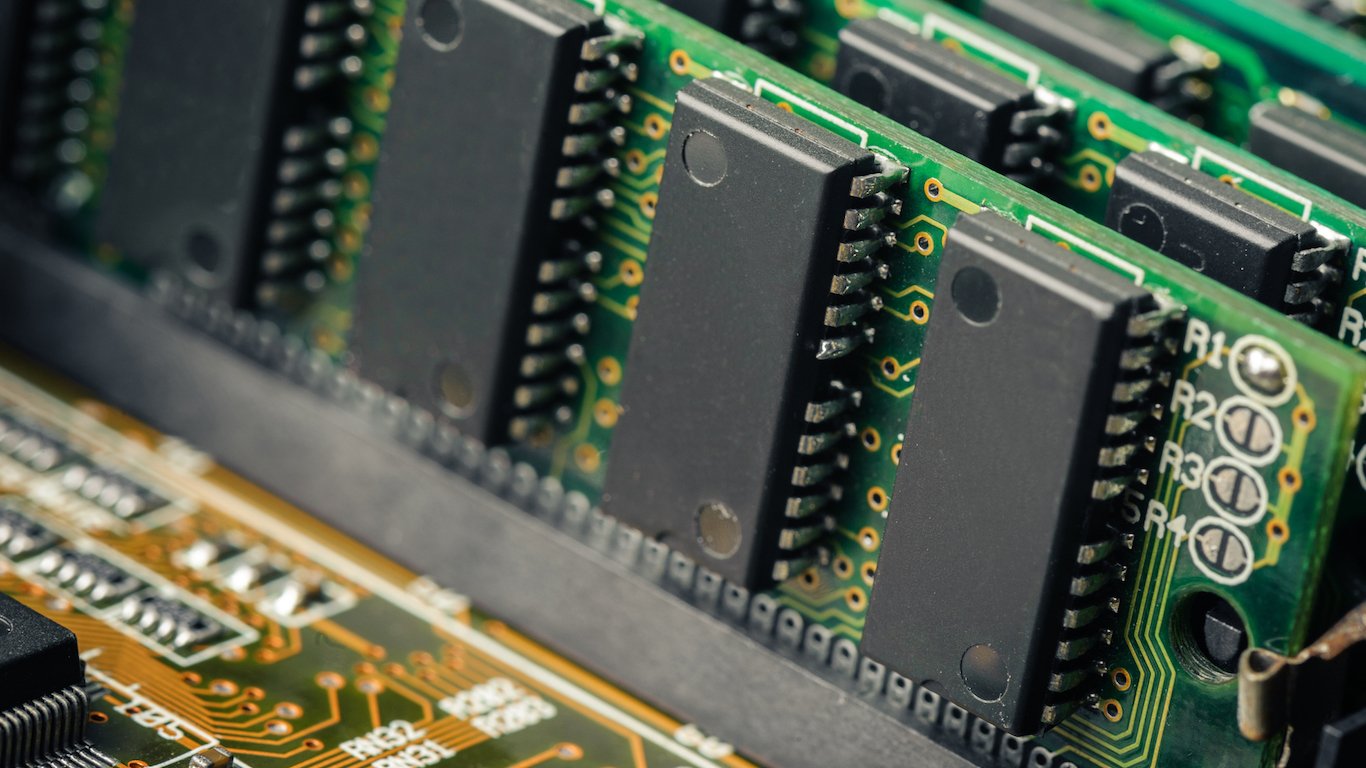
The artificial intelligence boom has created winners across the semiconductor industry, but few areas have benefited more recently than memory chips. Every AI server needs vast amounts of high-bandwidth memory (HBM) and DRAM to feed increasingly powerful processors from Nvidia…

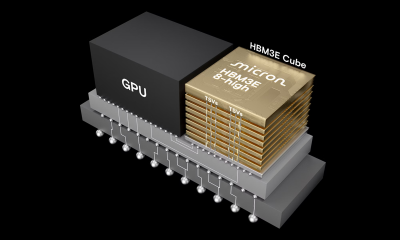
The artificial intelligence boom has created winners across the semiconductor industry, but few areas have benefited more recently than memory chips. Every AI server needs vast amounts of high-bandwidth memory (HBM) and DRAM to feed increasingly powerful processors from Nvidia (NASDAQ:NVDA | NVDA Price Prediction), Advanced Micro Devices (NASDAQ:AMD), and others. Without memory, even the fastest AI chip becomes a bottleneck.
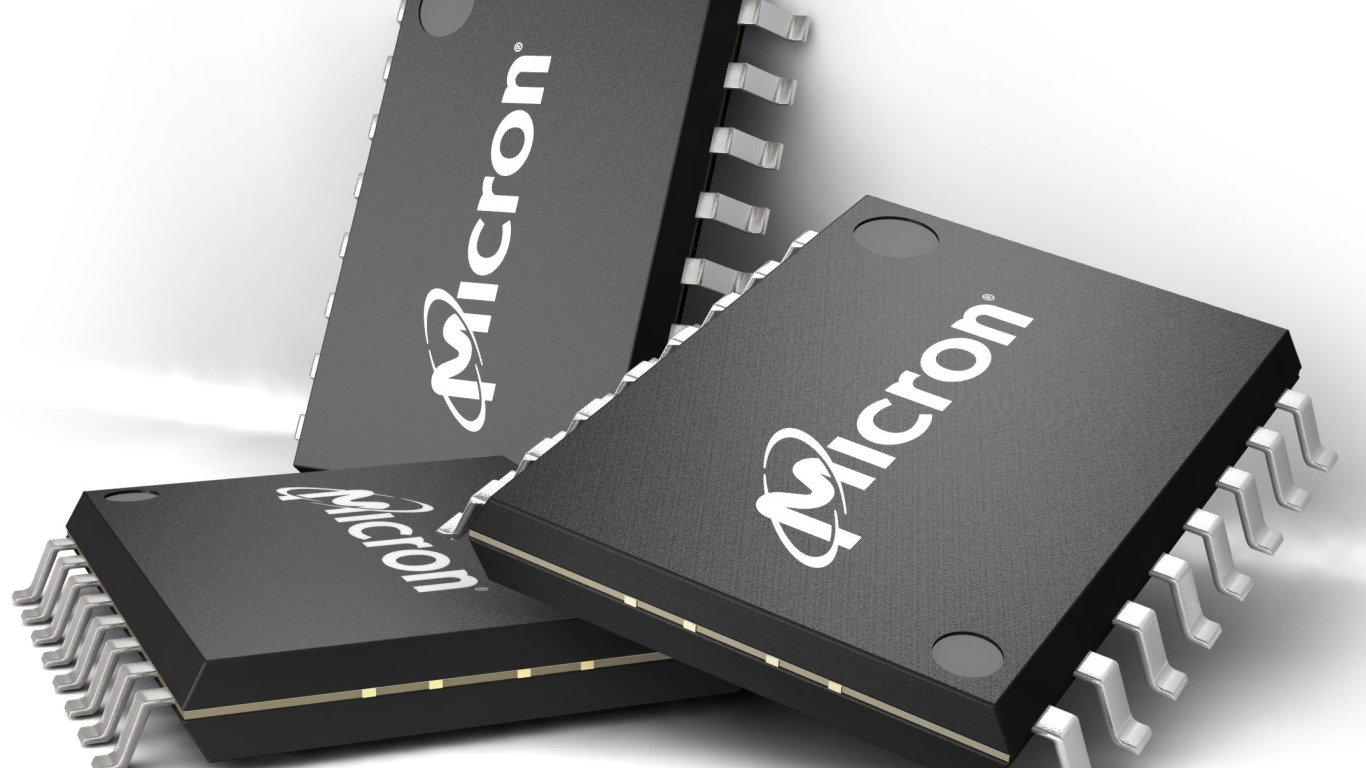
That demand has transformed memory manufacturers into some of the market’s biggest winners. In the U.S., no company has benefited more than Micron Technology (NASDAQ:MU). The stock has surged roughly 270% year-to-date and 726% over the past year, even after suffering a 13% pullback during yesterday’s selloff.
Yet a new development could alter where investors put their next dollar. South Korean memory giant SK hynix plans to begin trading American depositary receipts (ADRs) on the Nasdaq on July 10.
The question isn’t whether Micron remains a strong investment. It does. The real question is whether SK hynix now deserves a larger share of new capital.
The AI Memory Shortage Remains Intact
The investment case for memory stocks remains straightforward. AI infrastructure spending continues to accelerate.
The world’s four largest hyperscalers are expected to spend hundreds of billions of dollars on AI infrastructure this year, and memory remains one of the industry’s tightest supply constraints. According to industry market-share data, three companies effectively control the entire HBM market:
| Company | HBM Market Share |
| SK hynix | 57% |
| Samsung Electronics | 22% |
| Micron Technology | 21% |
Those numbers tell investors something important. While Micron has become the primary U.S. beneficiary of the AI memory boom, SK hynix remains the industry’s dominant supplier.
The story looks similar in DRAM.
| Company | DRAM Market Share |
| Samsung Electronics | 38% |
| SK hynix | 29% |
| Micron Technology | 22% |
| Others | 11% |
In both critical memory categories, three companies control nearly the entire market. That’s a powerful position when demand continues to exceed supply.
Micron Is Still Winning
Let’s be clear: nothing about SK hynix’s Nasdaq listing weakens Micron’s business. The memory chipmaker remains my favorite stock to own in 2026. The company has successfully moved up the value chain, becoming a major supplier of HBM used in AI accelerators. Revenue, margins, and earnings have all benefited from rising memory prices and persistent shortages.
Perhaps most importantly, Micron remains the only major U.S.-based producer competing at the highest levels of the memory market. That strategic position has become increasingly valuable as governments and customers seek supply-chain diversification.
Granted, Micron’s stock has delivered enormous gains. After a 726% run over the past year, expectations are far higher today than they were 12 months ago. That doesn’t make the stock unattractive, but it does raise the hurdle for future returns.
Why SK hynix Changes the Investment Equation
SK hynix’s Nasdaq arrival gives U.S. investors something they haven’t had before: easy access to the memory industry’s market-share leader.
Surprisingly, many American investors have owned Micron simply because it was the most accessible pure-play memory stock available in U.S. markets. Beginning July 10, they’ll be able to buy shares in the company controlling 57% of the HBM market and holding the No. 2 position in DRAM.
That changes the calculus. If investors are looking to deploy fresh capital into the AI memory theme, SK hynix may offer the stronger opportunity because it leads the most important segment of the AI memory market. HBM has become the fuel powering modern AI systems, and SK hynix currently occupies the driver’s seat.
That said, this doesn’t create a sell signal for Micron. Far from it. The memory shortage remains intact, AI spending continues rising, and Micron still controls 21% of the HBM market and 22% of the DRAM market.
Key Takeaway
In short, investors don’t need to dump Micron because SK hynix is joining the Nasdaq. Micron remains one of the strongest ways to invest in the AI infrastructure buildout and continues to benefit from robust demand for HBM and DRAM.
However, SK hynix’s July 10 ADR listing introduces a compelling new option, as it holds stronger competitive positions in the two memory categories driving AI growth. For investors putting new money to work after the recent selloff, SK hynix may deserve a larger allocation.
Ultimately, the smartest move may not be choosing one over the other. The AI memory shortage appears likely to persist for years, and owning the companies that dominate the market could prove far more important than trying to pick a single winner.
Contact [email protected] for any questions or corrections.
After two decades of patrolling the dark corners of suburbia as a police officer, Rich Duprey hung up his badge and gun to begin writing full time about stocks and investing. For the past 20 years, he’s been cruising the markets looking for companies to lock up as long-term holdings in a portfolio while writing extensively on the broad sectors of consumer goods, technology, and industrials. Because his experience isn’t from the typical financial analyst track, Rich is able to break down complex topics into understandable and useful action points for the average investor. His writings have appeared on The Motley Fool, InvestorPlace, Yahoo! Finance, Money Morning, and, of course, 24/7 Wall St. He has been featured in both U.S. and international publications, including MarketWatch, Financial Times, Forbes, Fast Company, and USA Today.