Sezzle CEO Says BNPL Market Share Is Coming From Regional Banks, Not Rivals, as Stock Soars 150% YTD
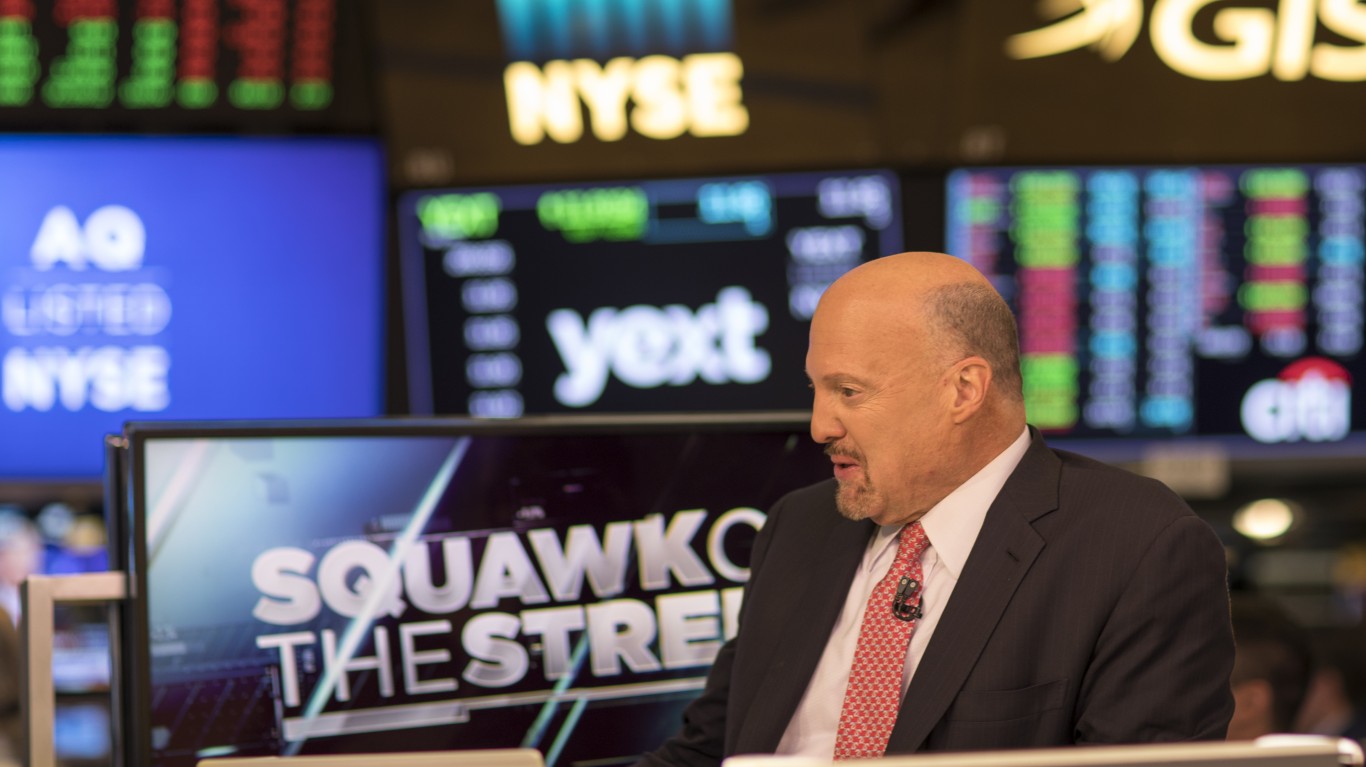
Sezzle CEO and Executive Chairman Charlie Youakim appeared on CNBC’s Squawk Box on Friday, June 26, to argue that the buy-now-pay-later sector is pulling market share from legacy regional and community banks and credit unions that never built the digital-first payment rails that younger consumers now…


Sezzle CEO and Executive Chairman Charlie Youakim appeared on CNBC’s Squawk Box on Friday, June 26, to argue that the buy-now-pay-later sector is pulling market share from legacy regional and community banks and credit unions that never built the digital-first payment rails that younger consumers now expect. “The losses are coming from these nonpublic companies… they just don’t have the technological solutions,” he said in the segment.
Sezzle (NASDAQ:SEZL) stock is up over 150% since the beginning of 2026 and up over 50% in the last month. The company’s market cap now sits near $5.36 billion.
The Bank Displacement Thesis
Youakim’s central claim is that BNPL is taking wallet share from institutions that don’t have the technology stack to engage Gen Z and younger millennials. He pointed to Sezzle’s own app data as evidence the consumer remains healthy at the lower end, and said 70% of Sezzle’s customer base is 40 and under. He added that the cohort skews slightly older each year as customers stay with the product, a retention signal that supports the company’s lifetime-value pitch.
Youakim also framed BNPL as a structurally safer credit alternative to revolving credit cards because the product halts further purchases the moment a customer misses a payment. That circuit-breaker design, in his view, is one reason Sezzle’s loss curve has tightened even as GMV scales.
In Q1 2026, Sezzle posted $135.54 million in revenue, up 29.2% year over year, adjusted EPS of $1.43, and net income of $51.30 million, up 41.9%. GMV reached roughly $1.10 billion, active subscribers grew 48.4%, and average quarterly purchase frequency hit a company-record 7.1x.
Sezzle’s Pure-Play Short Duration Lending Differs from Affirm and Klarna
Youakim drew a sharp line between Sezzle’s model and those of larger BNPL names. He described Sezzle as a “pure play” short-duration lender, with biweekly pay-in-five and 6- to 8-week loans that turn over multiple times a year. That structure, he argued, supports stronger return on equity and margins than longer-tenor installment books. He noted Affirm’s BNPL product is about 15% of its business, with the rest being long-duration installment lending, and grouped Klarna alongside Affirm on the long-duration side.
Sezzle’s reported financials support the margin angle. Operating margin runs at 61%, return on equity sits at 91.9%, and provision for credit losses improved to 1.2% of GMV from 1.6% a year earlier. Management has raised full-year guidance, now targeting revenue growth of 30-35%, adjusted net income of $180.0 million, and adjusted EPS of $5.10.
What To Watch Next
Sezzle trades at a forward P/E of 19, with an average analyst price target of $134.33, which is well below the stock’s current price of $167.73. Investors interested in the business might consider tracking the company’s pending bank charter application, the rollout of Sezzle Mobile and Agentic Commerce in Canada, and credit performance as the loan book scales.
It’s important to keep in mind that CEO Youakim is a founder in the BNPL sector and probably carries some degree of bias. BNPL still carries real consumer credit exposure, is facing expanding regulatory scrutiny, and is facing active antitrust litigation against Shopify, all factors that could complicate the displacement story if the macro turns.
Contact [email protected] for any questions or corrections.
Thomas Richmond is a financial writer and content strategist with 5+ years of experience covering stocks and financial markets. He has published over 500 articles focused on individual stock analysis, helping investors better understand business fundamentals, stock valuations, and long-term opportunities.
Thomas previously served as a Content Lead at TIKR, a stock research platform, where he helped scale the company’s blog to hundreds of articles per month and contributed to a weekly newsletter reaching more than 100,000 investors.
Outside of work, Thomas enjoys weight lifting and soccer.