US Car Company Trouble As VW Lays Off 100,000
Here is a huge layoff, not because of AI. VW is closing four plants, cutting back on models, and laying off 100,000 people. What is the primary reason? Among them is the fact that the Chinese are rushing into their…

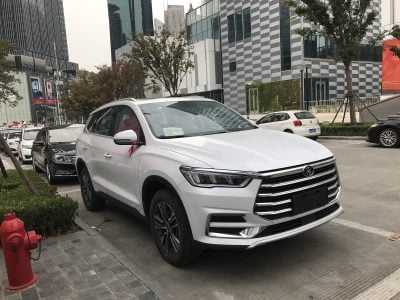
Here is a huge layoff, not because of AI. VW is closing four plants, cutting back on models, and laying off 100,000 people. What is the primary reason? Among them is the fact that the Chinese are rushing into their markets with inexpensive EVs. VW and other legacy car companies can’t compete with these. Close to 10% of cars sold in Europe are from China-owned companies.
Chinese EV giant BYD is building factories in the region to get closer to its markets. One will be in Szeged, Hungary. The company says it is exploring Spain as a location. Europe may fear the cars, but the factories could employ thousands.
The EU has erected tariff walls against the Chinese car companies. Many of the BYD cars sold in Europe are plug-in hybrids, which makes the need for charging stations less essential and the Chinese cars more attractive.
In all likelihood, Europe also has the same problem as the US. As new cars become very expensive, people opt for used cars or hold on to their current cars for years. In the US, the average age of a car on the road is 12 years. If this figure remains where it is or grows, the threat to new car companies in the UK, EU, and US will be significant and widespread.
The US can dodge the China EV invasion with its high tariff laws. This means GM (NYSE: GM | GM Price Prediction) and Ford (NYSE: F) can rest easy. But how long until US consumers clamor for much less expensive cars? There is every indication that these Chinese cars are well made and fully featured. How long before a large trade deal with China lets their EVs in? There is no way to make that calculation.
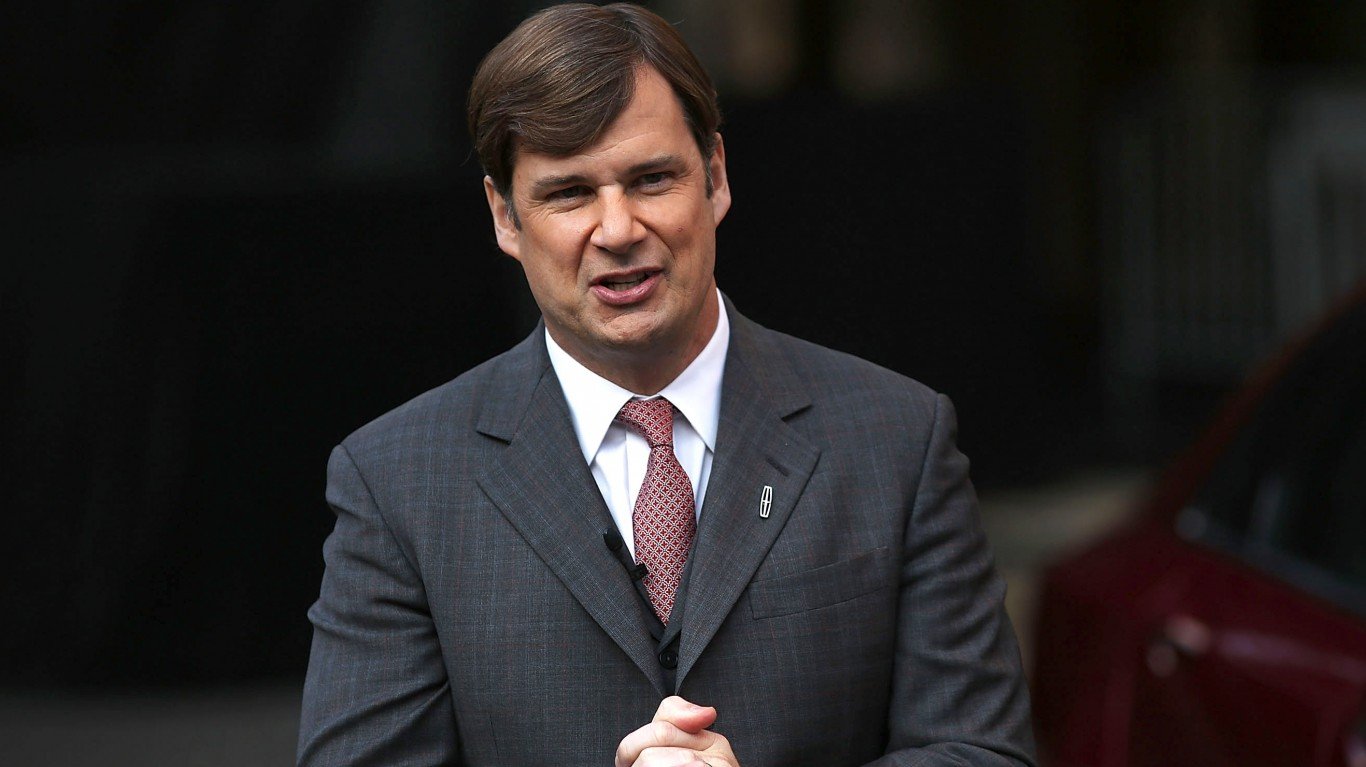
Ford CEO Jim Farley said that Chinese cars could “put us all out of business”. Is that so or not? One can only guess. But VW’s fate is a warning. The car industry is changing, and for Western manufacturers, not for the better.
Contact [email protected] for any questions or corrections.
Douglas A. McIntyre is the co-founder, chief executive officer and editor in chief of 24/7 Wall St. and 24/7 Tempo. He has held these jobs since 2006.
McIntyre has written thousands of articles for 24/7 Wall St. He is an expert on corporate finance, the automotive industry, media companies and international finance. He has edited articles on national demographics, sports, personal income and travel.
His work has been quoted or mentioned in The New York Times, The Wall Street Journal, Los Angeles Times, The Washington Post, NBC News, Time, The New Yorker, HuffPost USA Today, Business Insider, Yahoo, AOL, MarketWatch, The Atlantic, Bloomberg, New York Post, Chicago Tribune, Forbes, The Guardian and many other major publications. McIntyre has been a guest on CNBC, the BBC and television and radio stations across the country.
A magna cum laude graduate of Harvard College, McIntyre also was president of The Harvard Advocate. Founded in 1866, the Advocate is the oldest college publication in the United States.
TheStreet.com, Comps.com and Edgar Online are some of the public companies for which McIntyre served on the board of directors. He was a Vicinity Corporation board member when the company was sold to Microsoft in 2002. He served on the audit committees of some of these companies.
McIntyre has been the CEO of FutureSource, a provider of trading terminals and news to commodities and futures traders. He was president of Switchboard, the online phone directory company. He served as chairman and CEO of On2 Technologies, the video compression company that provided video compression software for Adobe’s Flash. Google bought On2 in 2009.