Intel Drops 7%, AMD Slides 5%, Taiwan Semiconductor Falls 6% as BoA Flags “Bubble Risk”
Intel (NASDAQ:INTC | INTC Price Prediction) stock is under heavy pressure today, falling 7% as semiconductor stocks retreat across the board. The weakness extends beyond Intel stock, with Advanced Micro Devices (NASDAQ:AMD) stock down 5% and Taiwan Semiconductor Manufacturing (NYSE:TSM)…

This post may contain links from our sponsors and affiliates, and Flywheel Publishing may receive compensation for actions taken through them.

Intel (NASDAQ:INTC | INTC Price Prediction) stock is under heavy pressure today, falling 7% as semiconductor stocks retreat across the board. The weakness extends beyond Intel stock, with Advanced Micro Devices (NASDAQ:AMD) stock down 5% and Taiwan Semiconductor Manufacturing (NYSE:TSM) stock lower by 6%.
The broad-based decline comes after Bank of America warned that bubble risk is beginning to build in the artificial intelligence trade. While the firm’s comments don’t necessarily suggest the rally has reached unsustainable levels, they do highlight the elevated expectations surrounding many leading chip companies.
At the same time, semiconductor companies continue to benefit from robust demand tied to artificial intelligence infrastructure and data center investment. Today’s pullback reflects the market’s effort to balance those favorable long-term trends against increasingly demanding valuations.
Bank of America Warns Bubble Risk Is Rising
Bank of America pointed to growing signs that enthusiasm surrounding artificial intelligence investments may be becoming excessive. The firm noted that strong gains across many semiconductor stocks have increased the potential for volatility if investor expectations begin to cool.
However, Bank of America’s warning stopped short of declaring that the semiconductor sector has entered a full-fledged bubble. Instead, the report suggests that investors may want to pay closer attention to valuation discipline after an extended rally.
Intel stock, Advanced Micro Devices stock, and Taiwan Semiconductor Manufacturing stock all traded lower as investors digested those comments. The broad nature of today’s decline suggests sentiment across the semiconductor sector is driving much of the price action rather than company-specific developments.
The Long-Term AI Story Remains Intact
Despite today’s weakness, the investment case for semiconductor companies continues to rest on powerful long-term demand drivers. Artificial intelligence workloads require increasingly advanced processors, memory products, and manufacturing capacity, creating opportunities across the chip supply chain.
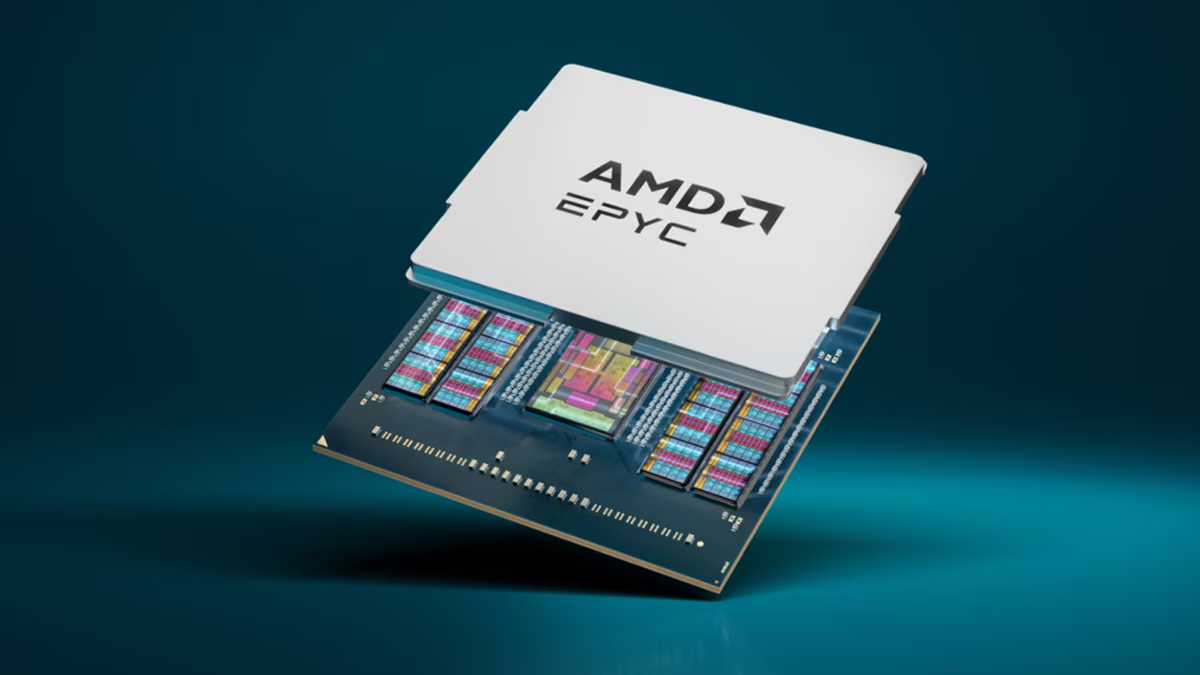
Advanced Micro Devices continues to expand its presence in AI accelerators and data center processors as it competes with industry leaders for enterprise spending. Meanwhile, Taiwan Semiconductor Manufacturing remains one of the world’s most important semiconductor foundries, producing advanced chips for many of the technology industry’s largest customers.
Intel also continues pursuing a multiyear turnaround strategy that includes expanding its manufacturing footprint and strengthening its foundry business. Success in those initiatives could improve Intel’s competitive position, although execution remains an important factor for the company.
Why Investors Are Taking a More Cautious View
One reason semiconductor stocks can experience sharp pullbacks is that strong business fundamentals don’t always justify rapidly expanding valuations. As expectations rise, even positive news can have a smaller impact on stock prices because much of the optimism may already be reflected in valuations.
Broader market weakness also appears to be weighing on technology stocks today. When investors reduce their exposure to growth-oriented sectors, semiconductor stocks often experience outsized moves because they’ve been among the market’s strongest performers.
Yet, today’s decline doesn’t necessarily signal that the artificial intelligence investment cycle is coming to an end. Instead, it may represent a period of reassessment as investors weigh long-term growth prospects against near-term valuation concerns.
What to Watch Next
Investors can watch for whether semiconductor stocks stabilize as broader market sentiment improves. They may also want to monitor whether upcoming earnings reports continue to demonstrate strong demand for artificial intelligence infrastructure despite growing valuation concerns.
The bulls can point to sustained AI investment, expanding data center spending, and continued demand for advanced semiconductor technologies. On the other hand, the bears can point to elevated expectations and the possibility that richly valued stocks become more vulnerable during periods of market uncertainty.
For now, today’s pullback serves as a reminder that even compelling long-term growth stories can experience meaningful volatility. Investors should consider keeping their position sizes measured while watching for whether company fundamentals continue to support premium valuations across the semiconductor sector.
Contact [email protected] for any questions or corrections.
David Moadel is financial writer specializing in stocks, ETFs, options, precious metals, and Bitcoin. David has written well over 1,000 articles for leading online publications, helping investors understand markets, income strategies, and risk.His work has appeared in The Motley Fool, InvestorPlace, U.S. News & World Report, TipRanks, ValueWalk, Benzinga, Market Realist, TalkMarkets, Finmasters, 24/7 Wall St., and others.With a master’s degree in education, David has taught at the elementary, high school, and college levels. That teaching background shapes his writing style: clear, educational, and practical. David has also built a loyal social-media audience by providing trustworthy financial content on YouTube, X/Twitter, and StockTwits.