Which Airline Stock Has Dominated in 2026: Delta, United, American, or JetBlue?
Airline stocks are trading lower across the board this Wednesday afternoon, but the more revealing story for investors is how dramatically the group has diverged in 2026. Through mid-June, Delta Air Lines (NYSE:DAL | DAL Price Prediction) stock leads the…

Airline stocks are trading lower across the board this Wednesday afternoon, but the more revealing story for investors is how dramatically the group has diverged in 2026. Through mid-June, Delta Air Lines (NYSE:DAL | DAL Price Prediction) stock leads the four major U.S. carrier stocks by a wide margin, while American Airlines (NASDAQ:AAL) stock sits at the bottom of the pack.
The 2026-so-far scorecard shows a sharp split among the legacy and budget carriers. DAL stock is the only name in the group with a double-digit gain. JetBlue Airways (NASDAQ:JBLU) stock holds a modest positive return, while United Airlines (NASDAQ:UAL) stock and AAL stock are both in the red.
Premium and loyalty revenue mix, balance sheet quality, fuel-cost exposure, capacity discipline, and broader demand trends all factor into the gap. Here’s how Delta, JetBlue, United, and American stack up so far in 2026, ranked from best to worst.
Delta Air Lines Leads the Pack
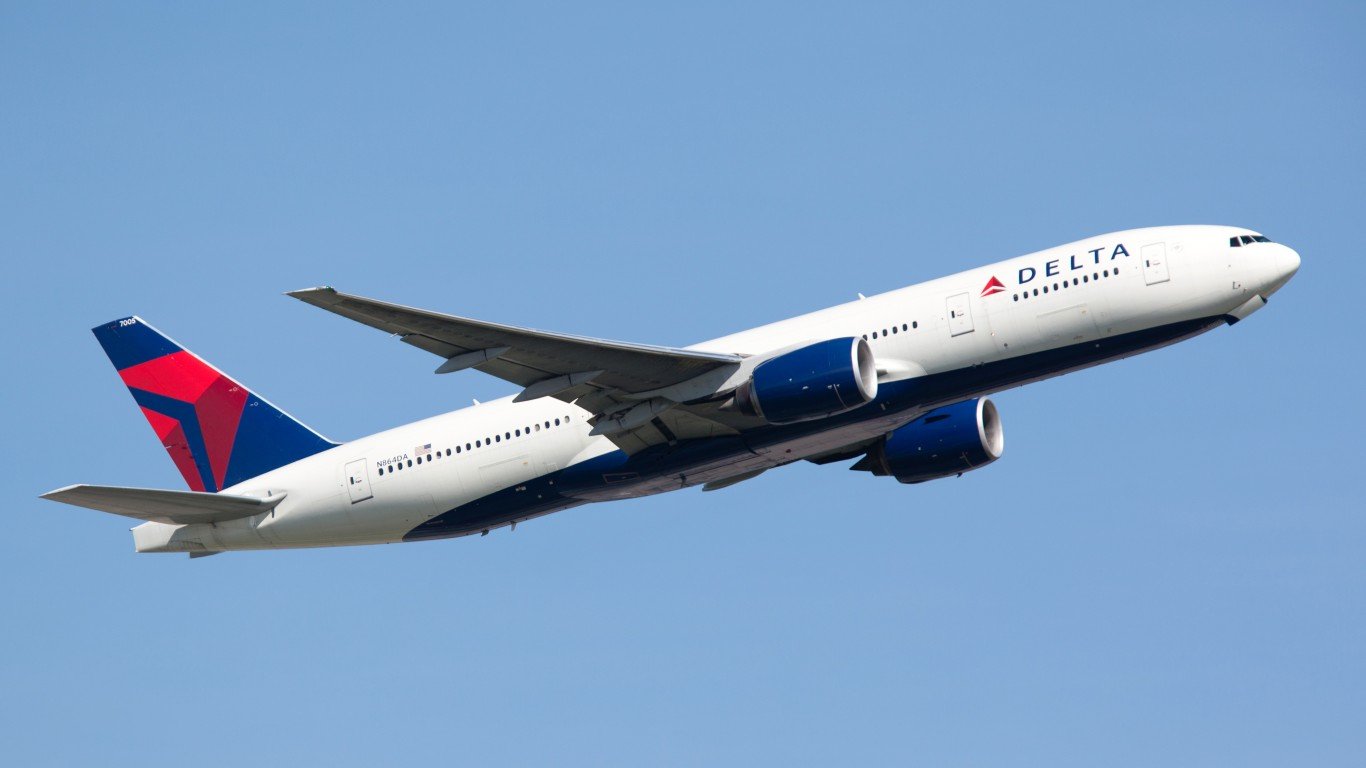
Delta Air Lines tops the four-carrier ranking, with DAL stock posting a year-to-date (YTD) return of +11%. DAL stock is the only one of the four with a double-digit advance in 2026 so far, and the gap to the next-best name in the group is substantial.
Delta’s diversified revenue base helps explain the investor preference. Premium ticket revenue, loyalty contributions, and the American Express (NYSE:AXP) partnership account for the majority of adjusted revenue, giving Delta a margin profile that competitors have struggled to match.
CEO Ed Bastian asserted that Delta is “best positioned to navigate this environment” with $1 billion of profit guided for the June quarter. That profitability stands out in a year when several carriers have widened their guidance ranges.
JetBlue Holds a Modest Gain
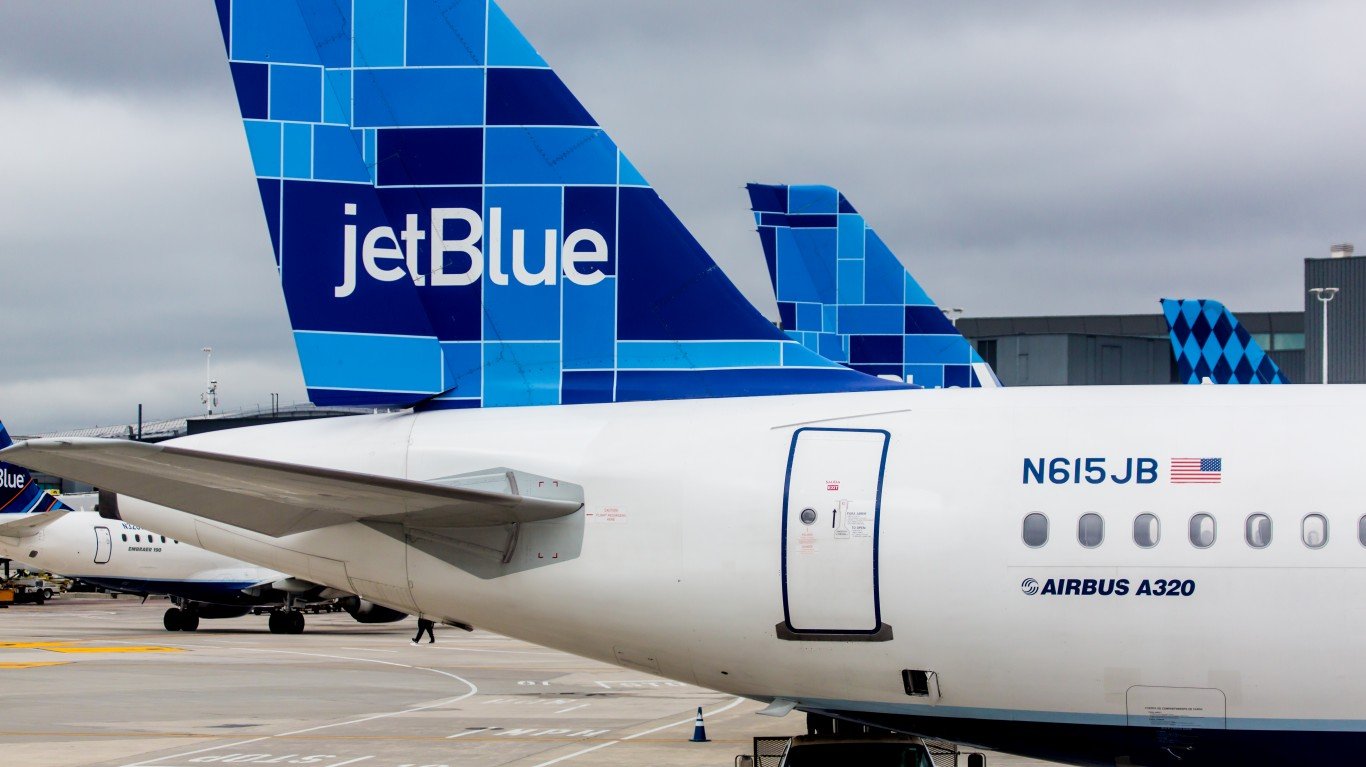
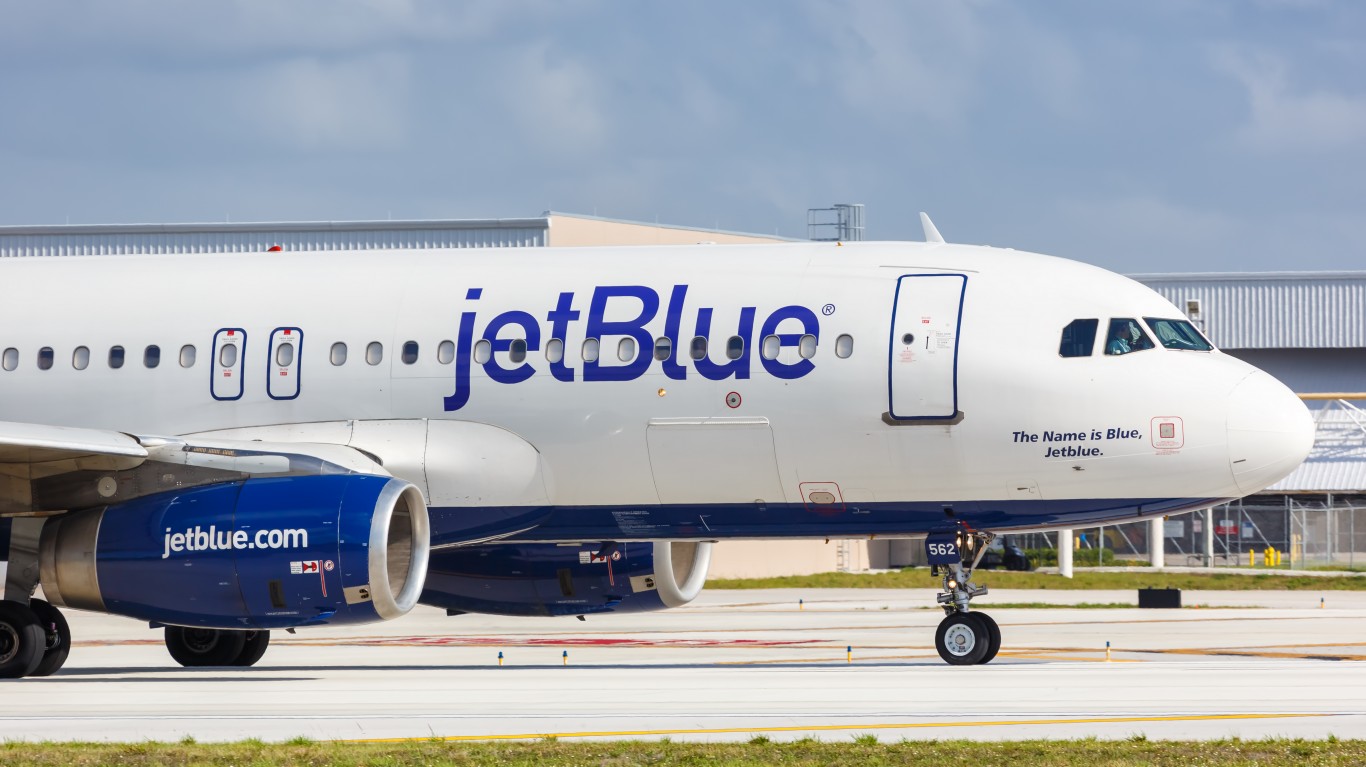
JetBlue Airways ranks second, with JBLU stock posting a YTD return of +3%. The gain is modest, but JBLU shares have stayed green in 2026 while two larger peers slipped into negative territory.
JetBlue’s JetForward turnaround plan, premium product additions, and the Blue Sky collaboration with United have given investors reasons to stay engaged with the smaller carrier. The combination has helped reset expectations even as JetBlue’s bottom line continues to absorb pressure.
CEO Joanna Geraghty stated, “[T]he macro environment, particularly fuel, has become more volatile,” underscoring that JetBlue’s positive results sit on a fragile foundation. JBLU stock still carries elevated leverage and a smaller margin cushion than the legacy carriers, leaving it more sensitive to jet fuel price swings.
United Airlines Slips Into the Red
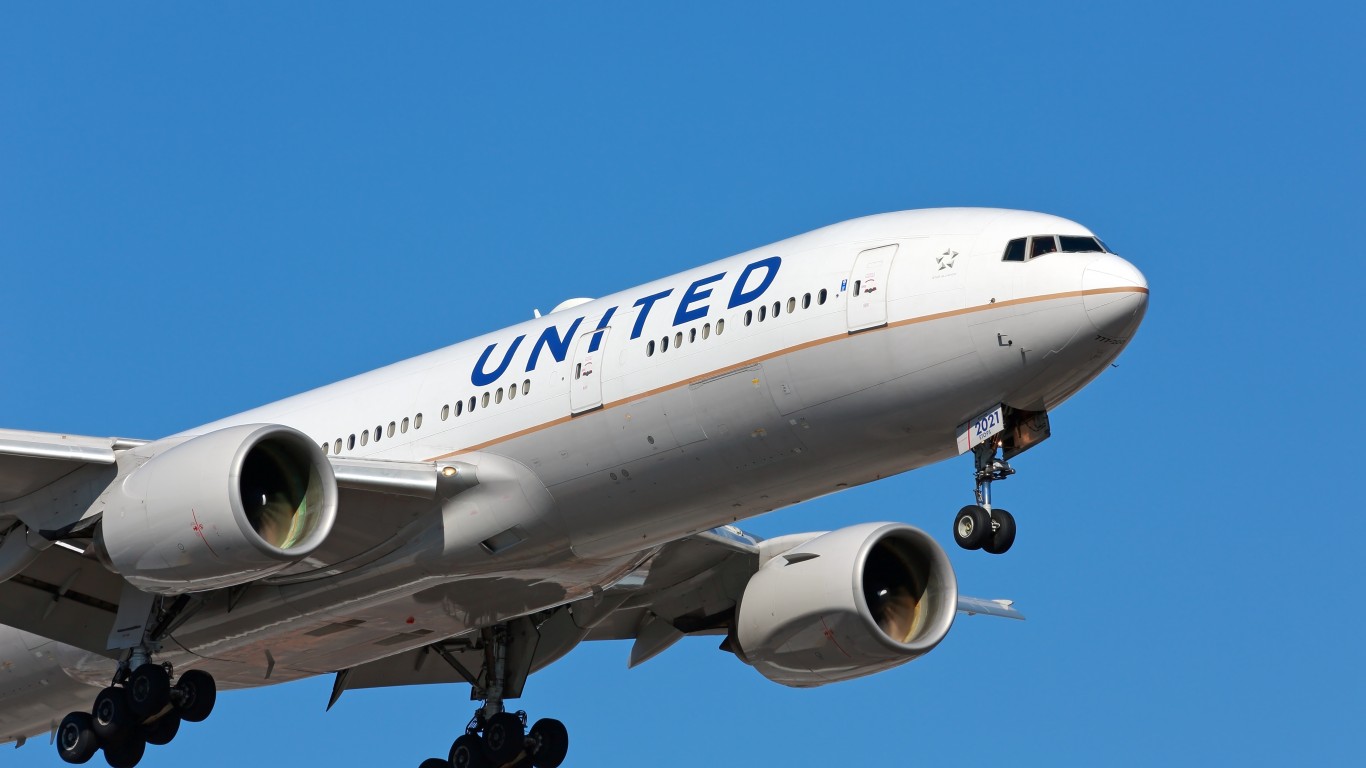
United Airlines lands third, with UAL stock returning -8% YTD. The loss is notable given United’s strong Q1 2026 earnings beat and double-digit revenue growth.
Fuel cost escalation and a wider full-year guidance range appear to have weighed on UAL stock sentiment. CEO Scott Kirby pointed to the “resilience of our long-term strategy, even in the face of escalating fuel expense,” while United Airlines trimmed capacity plans for the rest of the year.
UAL stock’s underperformance largely reflects investor caution around fuel recapture timing. United Airlines’ premium revenue growth and international route strength give the carrier a credible path to recovery if fuel costs stabilize in the second half of 2026.
American Airlines Brings Up the Rear
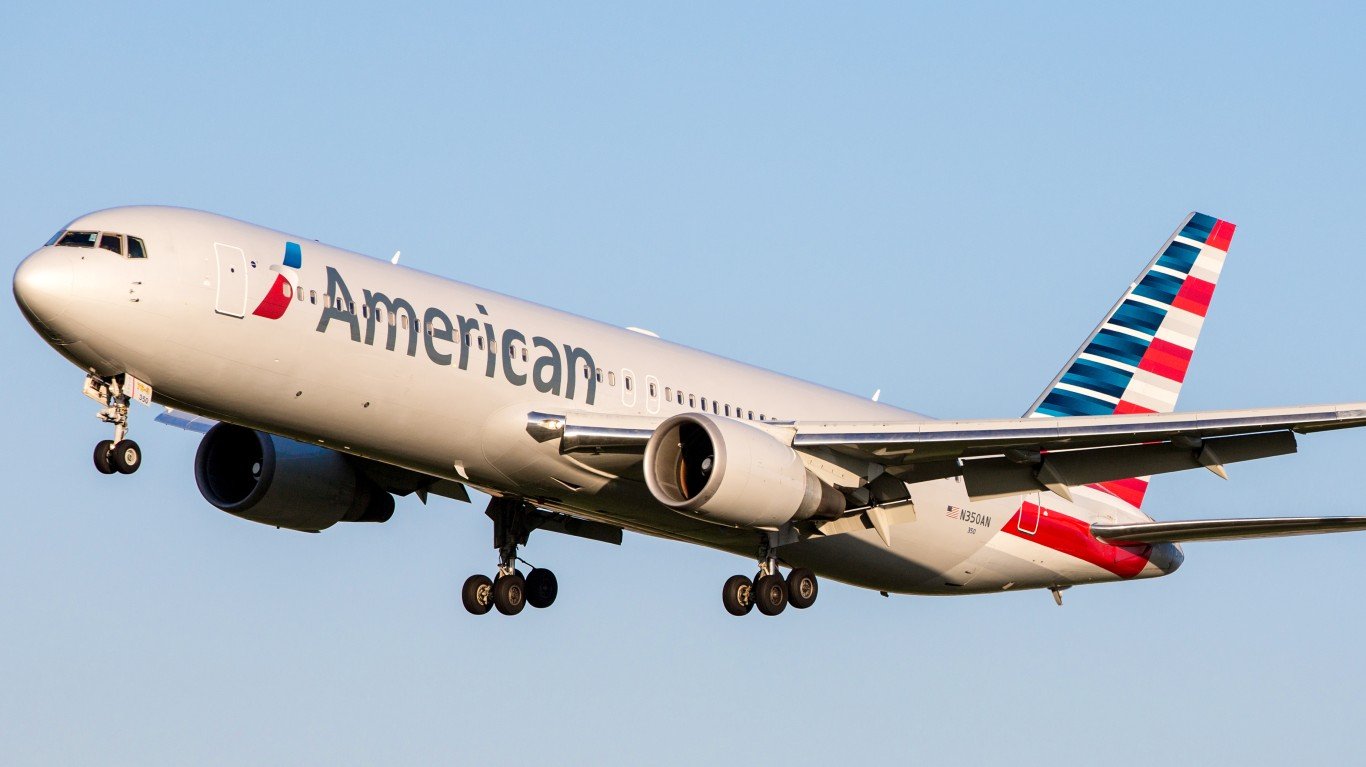
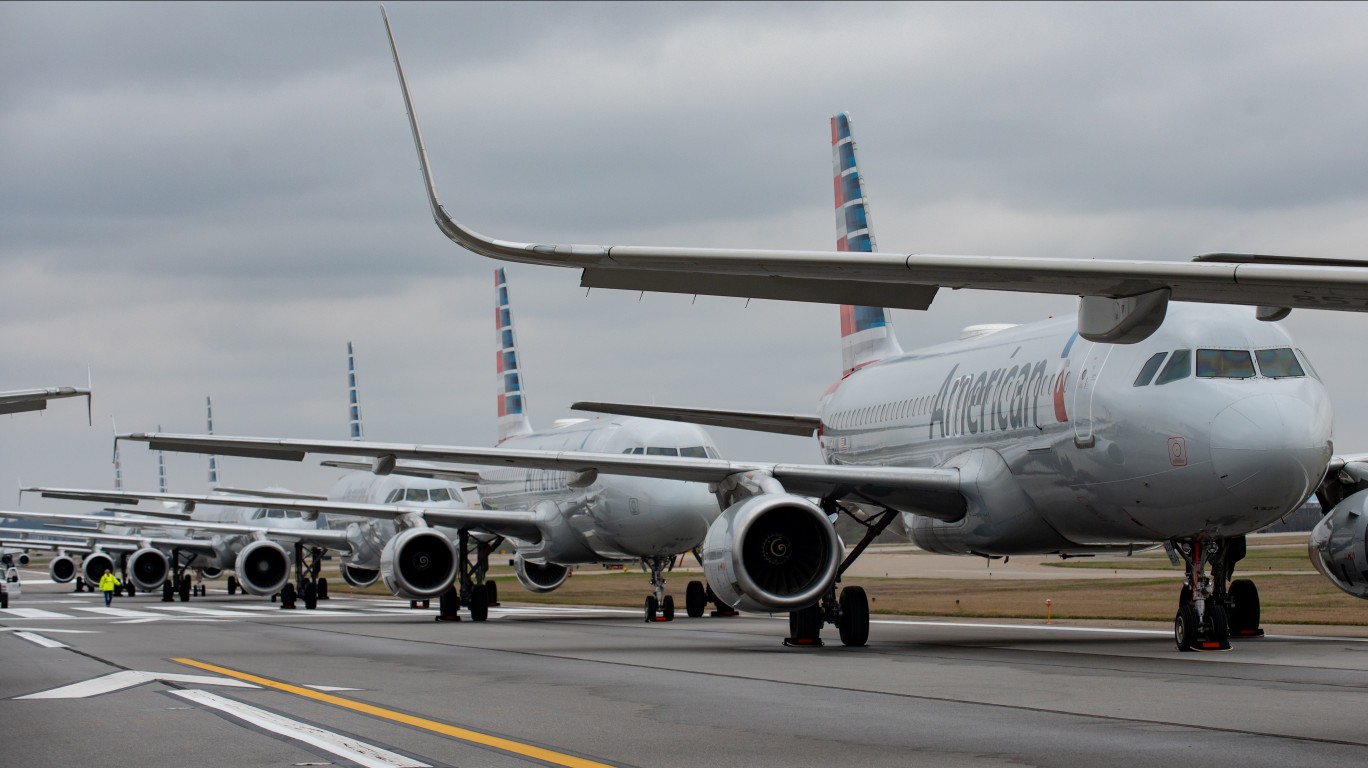
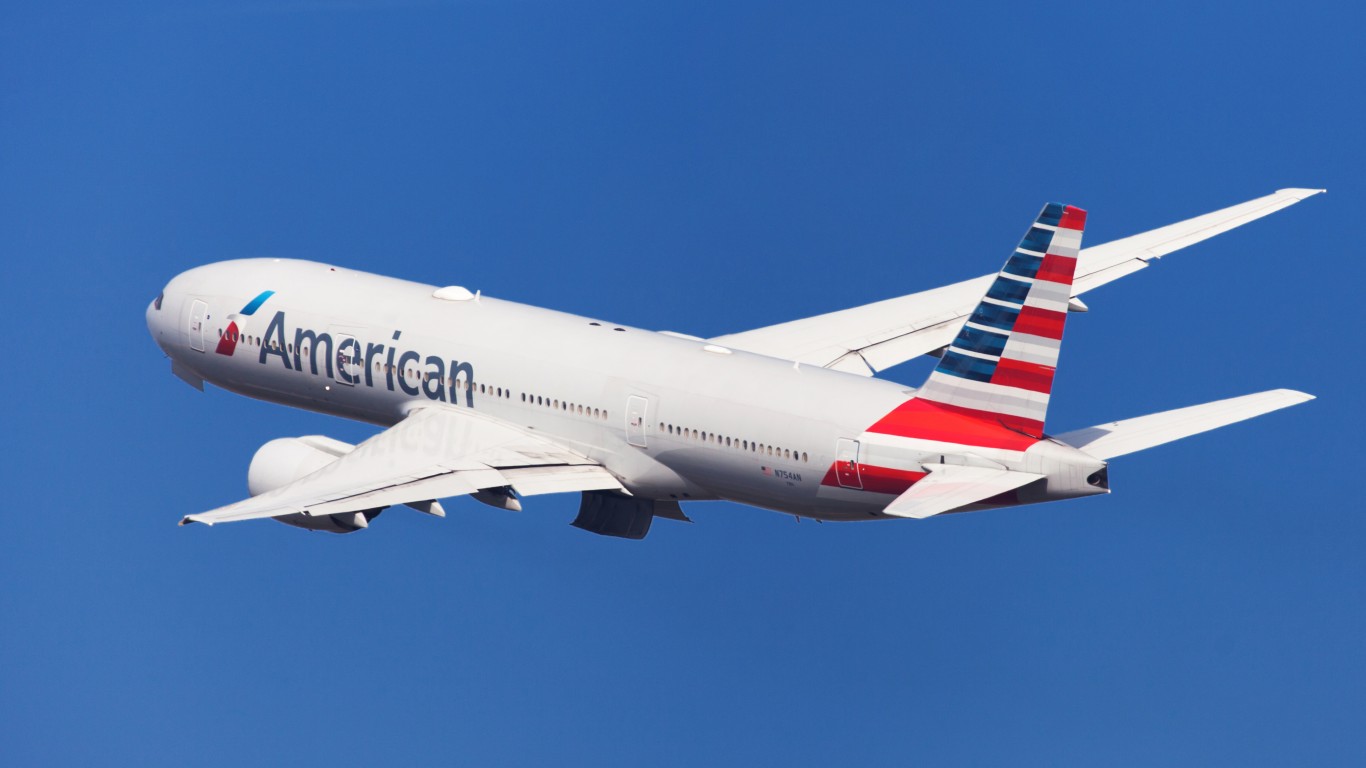
American Airlines sits at the bottom of the four-carrier ranking, with AAL stock returning -13% YTD. AAL stock is the worst performer of the group through mid-June.
Notably, American Airlines narrowed its Q1 loss and beat estimates; CEO Robert Isom asserted that the company delivered “record revenue in the first quarter, and we’re on track for another record in the second quarter.” The quarter showed solid revenue momentum, even as the American Airlines’ bottom line remained under pressure.
However, the company still carries negative stockholders’ equity and a heavy debt load, which can amplify investor concern during volatile fuel environments. AAL stock’s lag aligns with the balance-sheet sensitivity that many investors apply to airline holdings when fuel costs spike.
What to Watch
In terms of share-price performance, Delta is the clear 2026 YTD winner among the four major U.S. airline stocks. JetBlue holds a small gain, while United and American both trail the broader market through mid-June, leaving the group sharply bifurcated.
Investors can watch for whether fuel prices stabilize through the summer travel season. Stronger demand trends and capacity discipline at carriers like Delta and American could narrow the gap between leaders and laggards in the second half of the year.
Certainly, past performance doesn’t predict future returns. Still, Delta’s lead is real, and the laggards still have room to rebound if industry conditions improve.
Contact [email protected] for any questions or corrections.
David Moadel is financial writer specializing in stocks, ETFs, options, precious metals, and Bitcoin. David has written well over 1,000 articles for leading online publications, helping investors understand markets, income strategies, and risk.His work has appeared in The Motley Fool, InvestorPlace, U.S. News & World Report, TipRanks, ValueWalk, Benzinga, Market Realist, TalkMarkets, Finmasters, 24/7 Wall St., and others.With a master’s degree in education, David has taught at the elementary, high school, and college levels. That teaching background shapes his writing style: clear, educational, and practical. David has also built a loyal social-media audience by providing trustworthy financial content on YouTube, X/Twitter, and StockTwits.