Cramer Just Turned Bearish for the First Time Since 2000: “We’re Out of Money”
Jim Cramer just made his first bearish call in 25 years, and the trigger was not a market crash or a recession signal but a bond deal and a record-breaking equity offering that he says prove the AI spending machine…

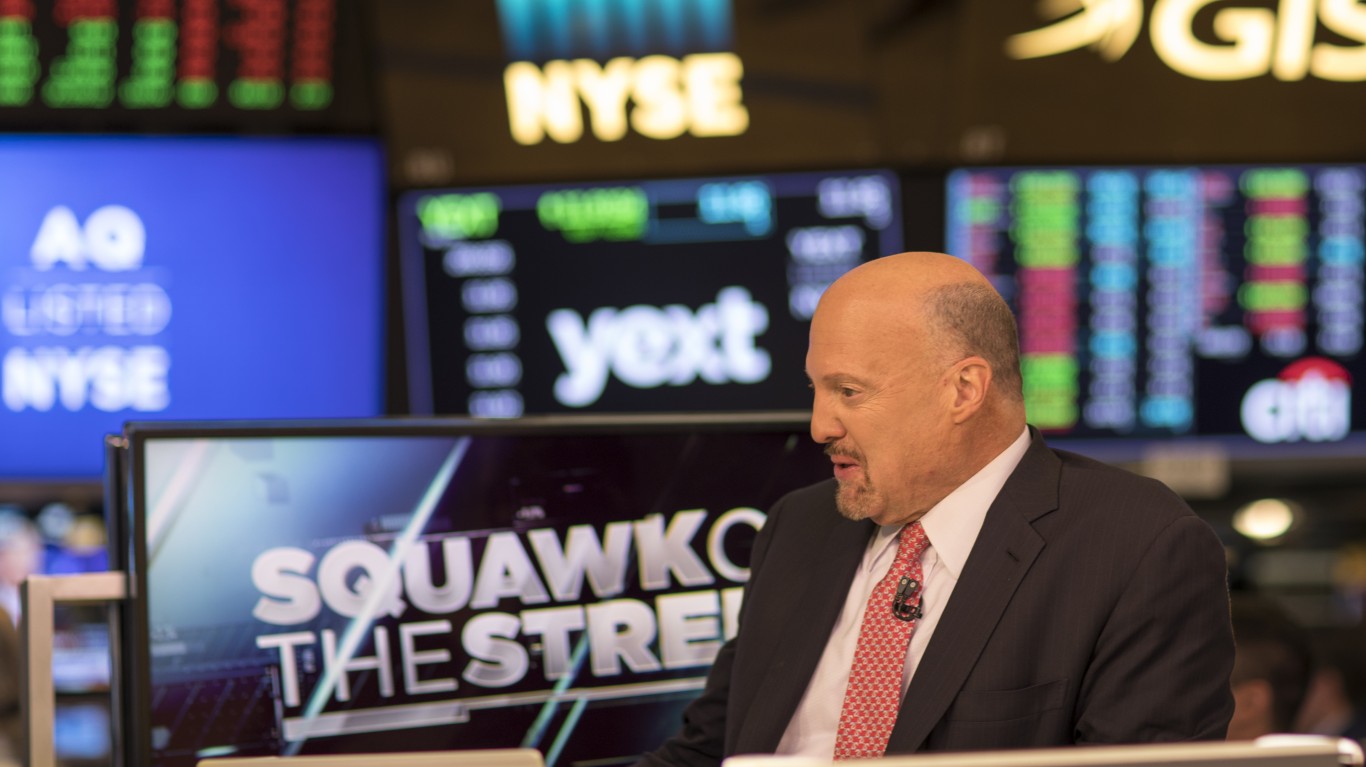
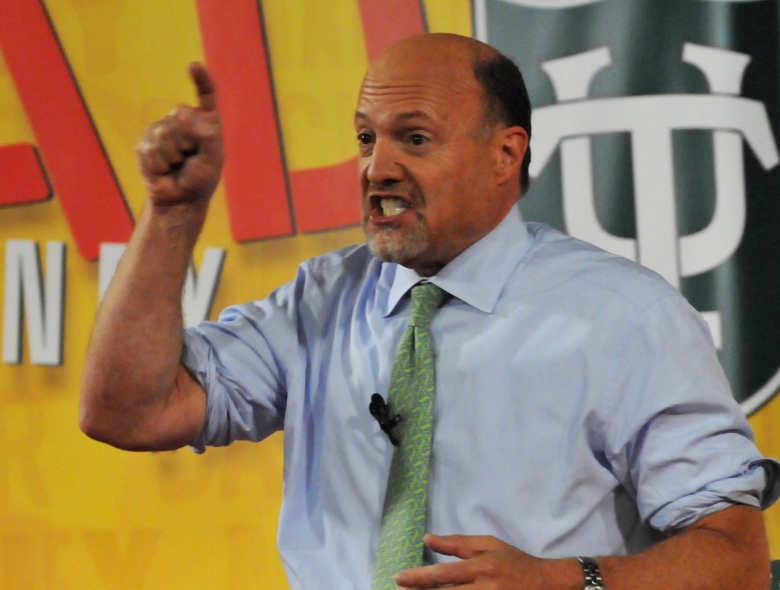
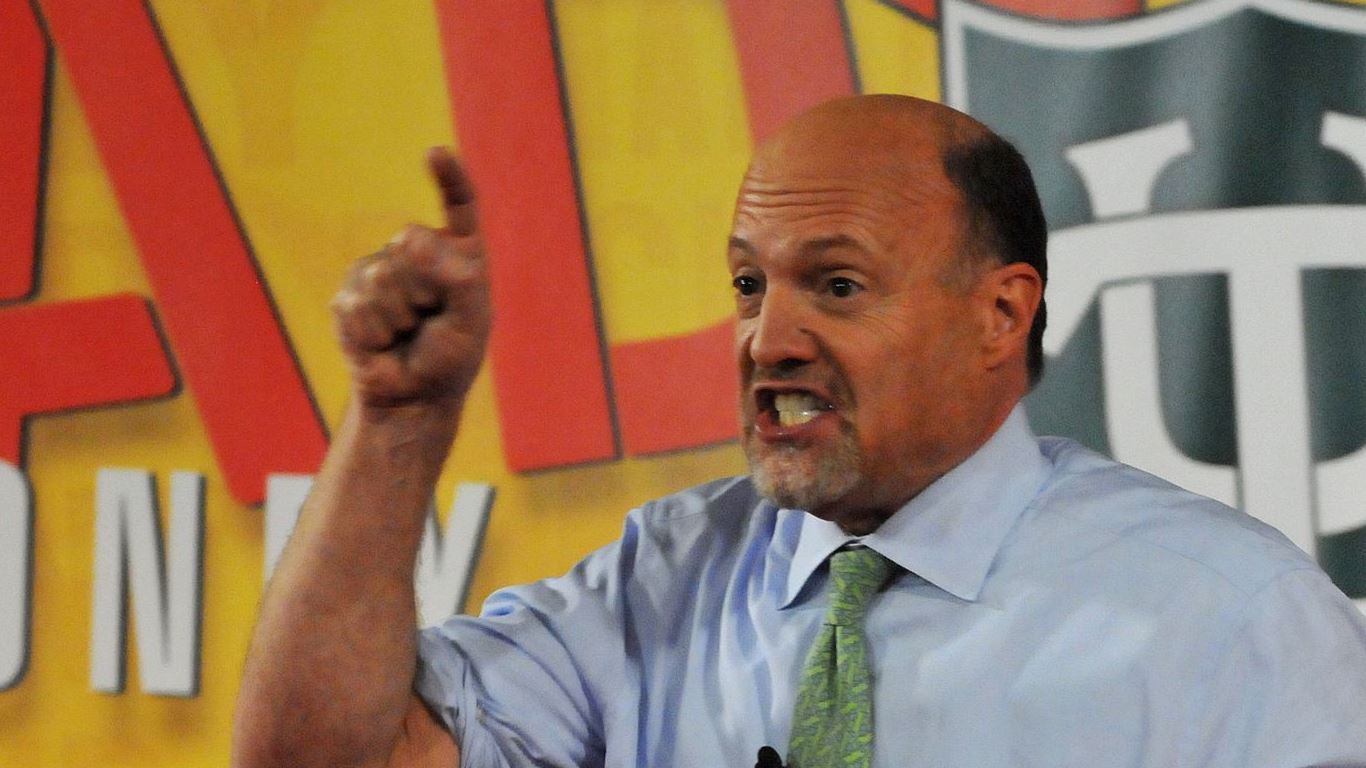
Jim Cramer picked a loud morning to turn bearish. On CNBC’s Squawk on the Street, with oil up 5% and global stocks falling after the president declared the Iran ceasefire over, Cramer told David Faber he sees a supply-and-demand imbalance in capital markets he has not witnessed since early 2000. “There’s a lot of offerings, not enough money, and I am turning bearish,” he said, adding, “I have a huge cash position. I don’t want to buy any tech” and “I think we’re out of money, really.”
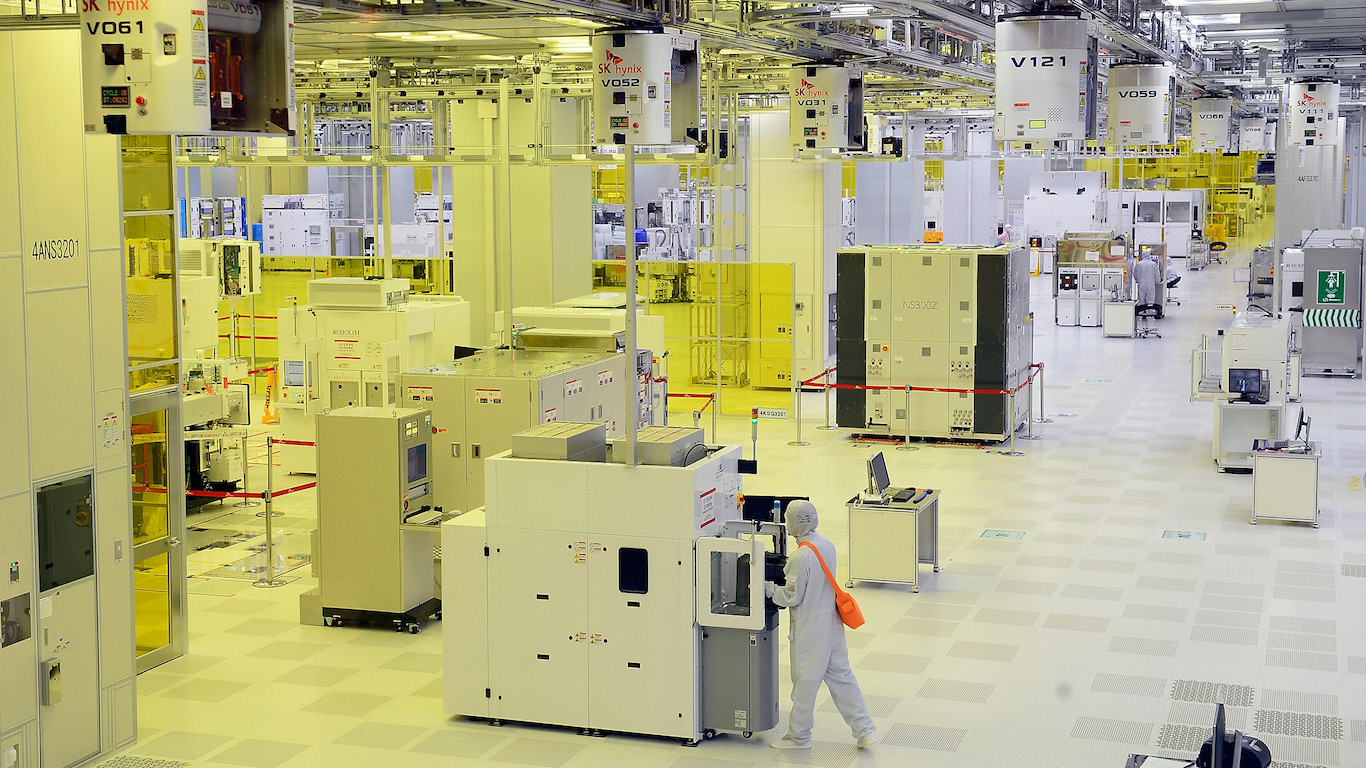
That is a striking call from someone who spent the last two years cheerleading the AI capex trade. Two deals triggered the pivot. Amazon (NASDAQ:AMZN | AMZN Price Prediction) raised $25 billion in debt that traded poorly, and SK Hynix was finalizing a record-breaking equity offering on the same Friday the article published. Faber put the underlying question directly: “The real question is, when does capital become more dear? You have to pay more for it.”
The Bearish Pivot and the 2000 Comparison
Cramer’s last comparable bearish turn came in October 2000, right before the dot-com unwind gathered speed. The parallel he draws now is mechanical, not emotional. When too many issuers rush the window at once, prices soften, buyers demand better terms, and the marginal deal has to sweeten to get done.
At the time of Cramer’s remarks, the 10-year Treasury was sitting near 4.66%, a level that already kept the risk-free hurdle for every corporate bond firmly elevated. That ceiling has since risen further: the 10-year yield climbed above 5.28% by early October 2026, its highest level in nearly 25 years, as resurgent oil prices, a Fed rate hike, and a projected federal deficit above $1.9 trillion all collided with weak bond demand. Add a wave of new supply and capital becomes more dear in a hurry. Meanwhile, at the time of Cramer’s call the tape abroad was already flashing warning signs. The KOSPI had fallen 18% from its June high, with forward P/E at its lowest since October 2008. That would have been a market-moving print on any quieter day.
Two weeks after that initial call, Cramer remained cautious. On July 21, he told Squawk on the Street viewers, “If you own too much tech, you’re going to be slaughtered,” urging rotation into sectors that had lagged the AI run-up. By late July, he was telling the same audience he was “struggling to have reasons to buy,” citing the Middle East conflict, rising oil, higher rates, and accelerating AI spending as concurrent headwinds.
Amazon’s Debt Deal and the OpenAI Canary
Amazon is the tell here. Cramer said, “I’m not worried about Amazon. I’m worried about OpenAI, because if Amazon has raised and tapped out the debt market, and the way that piece of debt was received yesterday is not good.”
Amazon is the most creditworthy hyperscaler on the planet, and it has since raised its 2026 capex guidance to $220 billion, up from the $200 billion figure cited at the time of Cramer’s remarks, covering AI infrastructure, chips, robotics, and satellites. Q1 capex alone reached $44.2 billion. If the top of the food chain has to pay up for money, everyone below has a problem.
The SK Hynix situation offered a more nuanced verdict. The company priced its US offering on July 9 at $149 per American depositary share, raising $26.5 billion in what became the largest-ever US debut by a foreign company, topping Alibaba’s $25 billion IPO in 2014. SK Hynix debuted on Nasdaq on July 10 and surged 13% on its first trading day, suggesting demand for AI memory equity was still very much alive. By late July, however, the ADRs had slumped below the $149 offering price as chip stocks broadly sold off, giving Cramer’s supply-glut warning at least a partial validation.
(Our bubble survivors handbook report walks through how to stay invested when the plumbing tightens like this.) The Q1 8-K lays out the capex ramp in the company’s own numbers.

What “Out of Money” Means for NVIDIA, Micron, and Your Holdings
NVIDIA (NASDAQ:NVDA) is the counter-argument to Cramer’s thesis, at least on valuation. On air, Cramer noted NVIDIA was trading at roughly 18x forward earnings at the time, cheaper than half the S&P 500. That multiple has since expanded: the forward P/E stood near 24x by early October 2026, with the share price around $237 and continued earnings estimate upgrades supporting the move. Fiscal year 2026 revenue reached $215.9 billion, up 65% from the prior year, cementing its position as the central toll booth for AI compute spending.
Micron Technology (NASDAQ:MU) is the extreme case. The stock had surged more than 700% over the year leading into Cramer’s call, powered by explosive HBM demand. Micron’s all-time high closing price of $1,213 came on June 25; the stock dipped sharply through midsummer before recovering to roughly $1,036 by early October 2026, not far below that record peak. Fiscal Q3 revenue hit $41.46 billion, up 346% year over year, with Q4 guidance of $50 billion. HBM demand is real. Whether every buyer of an HBM4 wafer can keep funding itself remains the Cramer question.
The SK Hynix debut provided the first answer. The deal absorbed just fine on day one, suggesting the AI memory trade still had institutional buyers. But the subsequent slide below the IPO price, combined with a broader chip-stock selloff in late July, showed that appetite has limits. The subsequent Micron recovery, and NVIDIA trading near all-time-high share prices, shows the underlying AI spending thesis is still intact. What has changed, and what Cramer was pointing to in July, is the cost of the capital funding this cycle. The bond market has since confirmed his concern, with the 10-year Treasury yield rising to a 24-year high and pressing harder against every borrower in the AI stack.
Editor’s note: This update corrects the date of Cramer’s “slaughtered” comment from July 23 to July 21, refreshes the 10-year Treasury yield to reflect its rise above 5.28% (a 24-year high by early October 2026), updates NVIDIA’s share price to approximately $237 and forward P/E to 24x, and revises Micron’s price from the early-August trough of around $877 to its early-October level near $1,036.
Contact [email protected] for any questions or corrections.
Omor Ibne Ehsan is a writer at 24/7 Wall St. He is a self-taught investor with a focus on growth, cyclical, and dividend equities that have strong fundamentals, value, and long-term potential. He also has an interest in high-risk, high-reward investments such as penny stocks.