If You’d Invested $10,000 In Lockheed Martin When The Iran Conflict Started, Here’s How Much You’d Have Now
Defense stocks are supposed to surge when conflict breaks out, yet Lockheed Martin investors who bought in on the first day of the Iran war got a painful education in why geopolitics rarely works as a stock thesis.

When The War Trade Didn’t Work
The reflex is familiar. Shooting starts, defense stocks rip. That script broke this year. The Iran conflict began Saturday, February 28, 2026, so the first trading day for a fresh position was Monday, March 2, 2026. An investor who bought Lockheed Martin (NYSE: LMT | LMT Price Prediction) that morning has watched the position bleed lower, even as the conflict dragged on and munitions demand stayed loud.
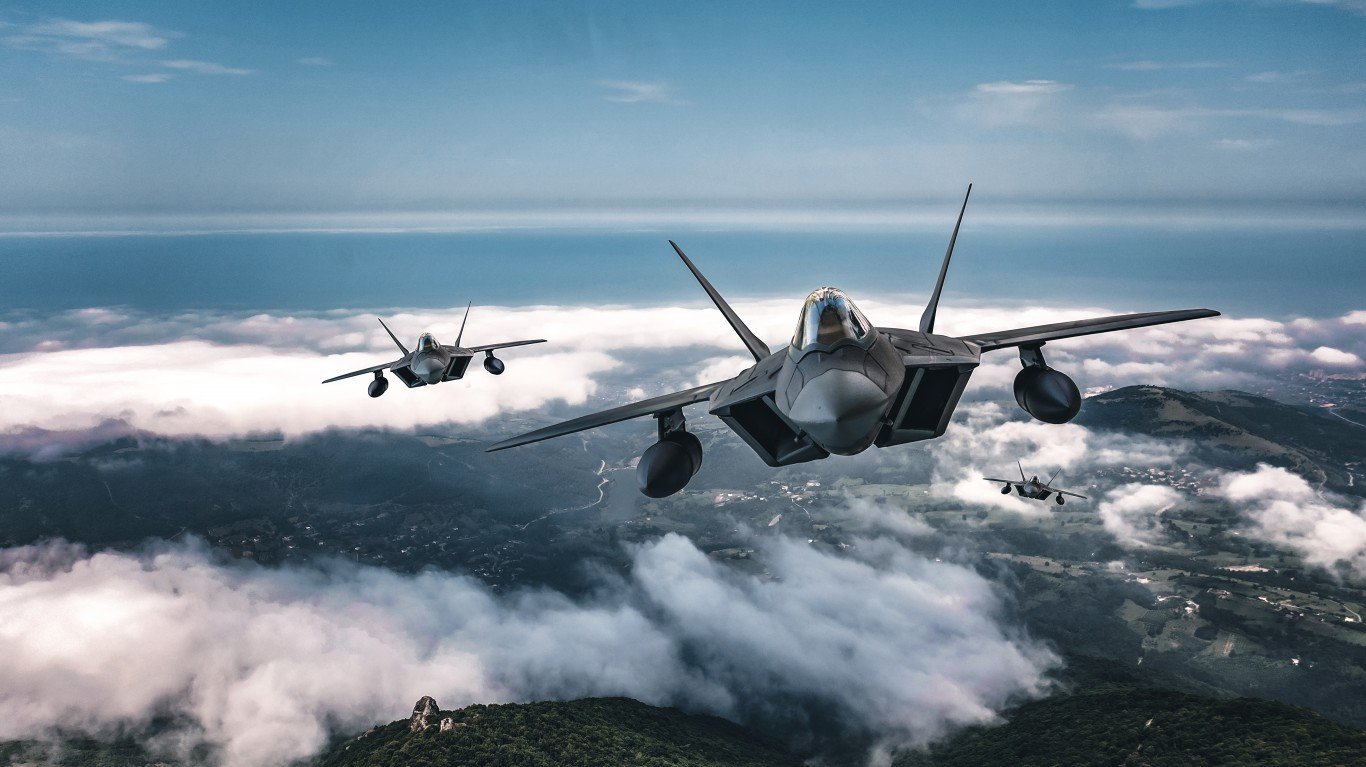
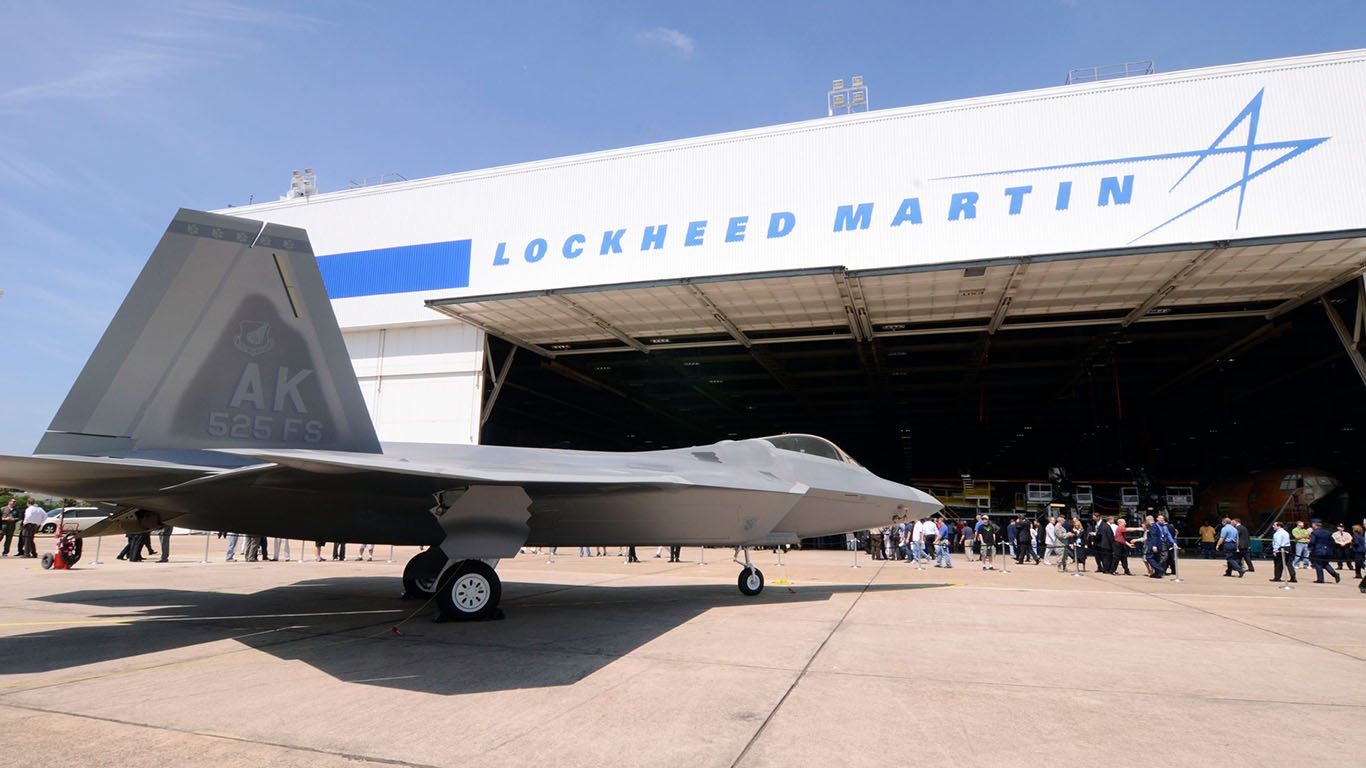
The business itself did not go quiet. Lockheed posted a record $194B backlog exiting 2025, ramped F-35 deliveries, and signed a seven-year PAC-3 framework. CEO Jim Taiclet talked up F-35, F-22, and Black Hawk performance during Operation Absolute Resolve. Then a soft Q1 2026 report on April 23 (EPS of $6.44, missing the $6.70 expectation, operating cash flow crashing to $220M from $1.41B) reset the mood, and the stock never regained footing.
Your $10,000 Is Underwater
Here is how the trade actually performed, using adjusted closes.
Iran Conflict Window (March 2, 2026 to July 10, 2026)
- Initial Investment: $10,000
- LMT Start Price: $672.21
- LMT End Price: $523.22
- Total Return: -22.16% (a loss)
- Peer check: Northrop Grumman (NYSE:NOC) -29.42%, L3Harris (NYSE:LHX) -22.60%, iShares U.S. Aerospace & Defense ETF (NYSEARCA:ITA) -4.47%, General Dynamics (NYSE:GD) +3.75%
For the longer-horizon context on LMT alone:
- 1-Year Return: +15.75%
- 5-Year Return: +56.27%
- 10-Year Return: +167.81%
A $10,000 stake placed on March 2 is now worth well under $8,000, and there was no late rescue. LMT fell another 4.16% in the week ending July 10. Two $3.45 dividend payments softened the sting slightly, but not meaningfully. I will not pretend to know exactly why the stock fell while missiles were flying. What is clear is that Northrop and L3Harris did worse, so this looks more like a sector reset than a Lockheed-specific unraveling.
Would I Put New Money In Today?
I would buy Lockheed here if I believe the FY26 guide holds ($77.5B to $80.0B revenue, EPS $29.35 to $30.25, FCF $6.5B to $6.8B), the Golden Dome and PAC-3 ramps convert backlog into cash, and the forward P/E of 17 against a $615.74 analyst target proves the recent drawdown was an overreaction.
I would avoid it if fixed-price program charges keep resurfacing (the Q2 2025 $1.6B in reach-forward losses is still fresh), if working capital keeps whipsawing free cash flow, and if defense budget politics get messy heading into FY27 appropriations.
My lean: cautiously constructive, but not in a rush. The dividend keeps paying, the backlog is real, and the peer group already priced in a lot of pain. I want one clean quarter of guidance-in-line execution before I add. Anyone catching this knife on the Iran headline learned an expensive lesson: geopolitics is not a stock thesis.

Contact [email protected] for any questions or corrections.
I've spent more than 15 years inside enterprise software, working alongside the finance, sales operations, and HR leaders who run the revenue engines at some of the largest tech companies in the country.
My day job is helping enterprise executives make smarter decisions about retention, compensation, and growth. These are the same operational levers that show up in every earnings report investors actually read. That perspective shapes my writing for 24/7 Wall St.
The headline numbers are easy. The interesting stuff is underneath: how companies make money, what executives are worried about, and what any of it means for the person checking their 401(k) on a Sunday afternoon. I write about personal finance and business as someone who has spent her career inside the rooms where these decisions get made.