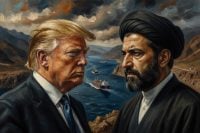
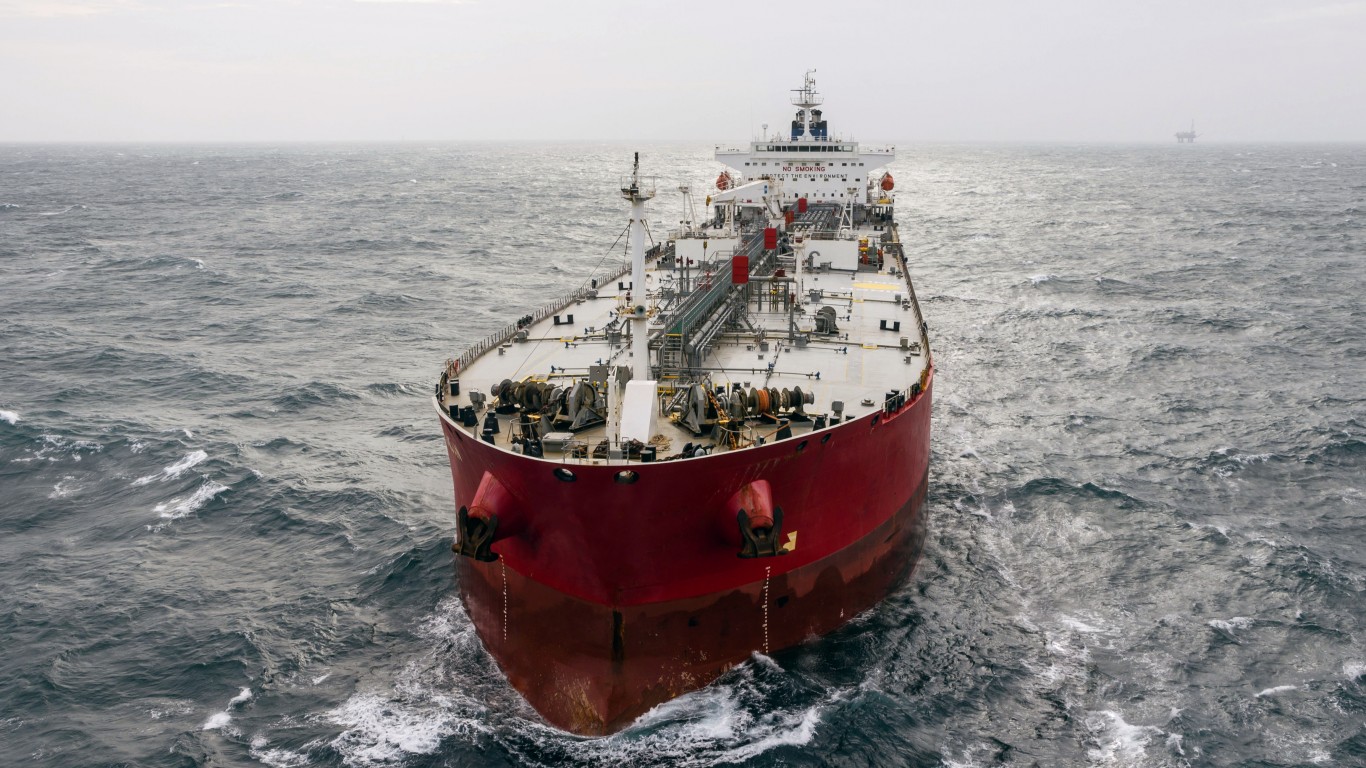
Trump Reinstates the Iran Blockade and Demands a 20% Toll as America Becomes Hormuz’s “Guardian”
Trump just claimed the right to charge every ship on Earth a 20% toll to pass through one of the world's most critical waterways, and oil markets are already reacting to what that could mean for energy prices, global trade,…

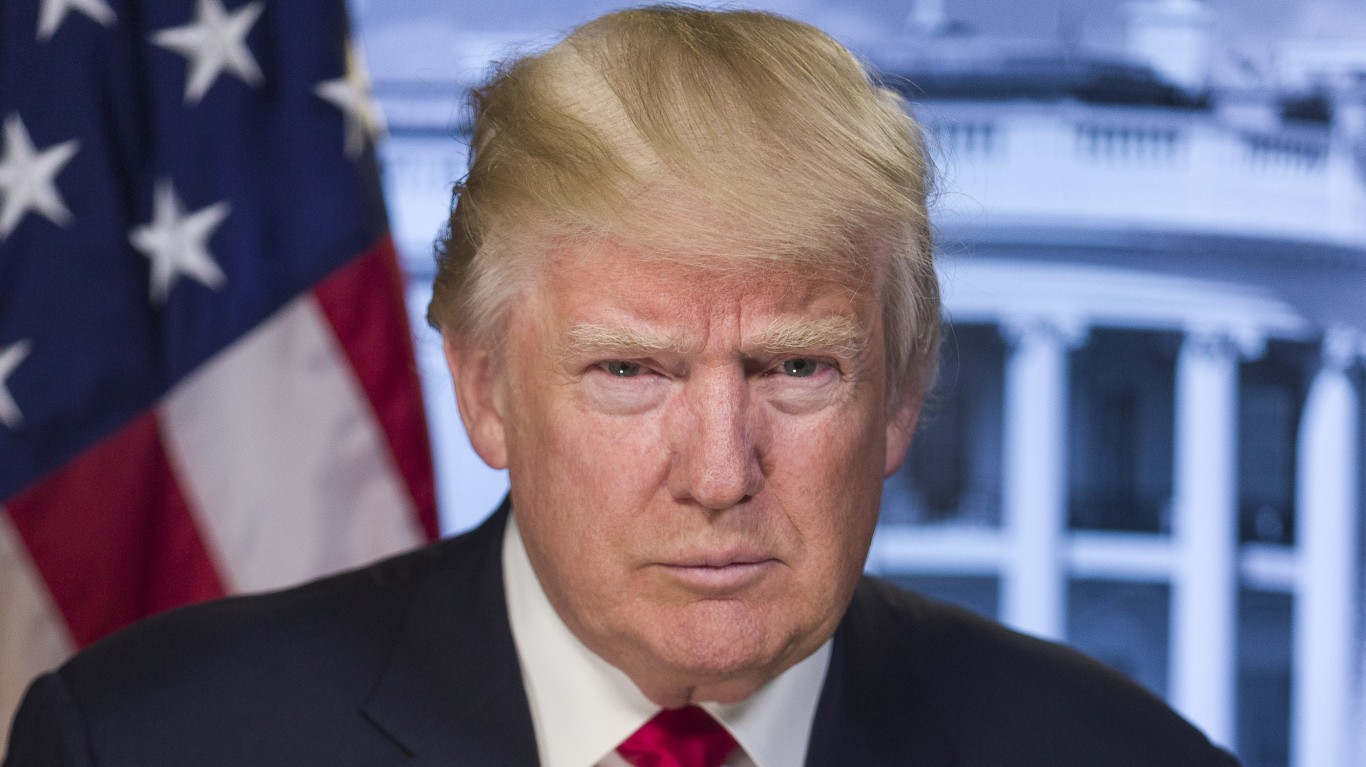
President Trump has reversed the last surviving piece of the Iran de-escalation framework, reinstating a U.S. Navy blockade on Iranian shipping in the Strait of Hormuz and proposing a 20% toll on all cargo transiting the waterway to reimburse the United States for the cost of policing it.
CNBC correspondent Megan Casella walked viewers through the Truth Social announcement on a Monday morning CNBC segment, framing it as both a policy reversal and an unprecedented commercial claim on one of the world’s most important chokepoints.
Trump Wants the United States to Become the “Guardian” of Hormuz
Casella summarized the two-part announcement: “The President says he’s reinstating the blockade in the Strait of Hormuz. But there’s a second piece of this where he also says the U.S. will be reimbursed for all cargo being shipped.”
She relayed the president’s core framing, which positions Washington as the Strait’s protector while singling out Iran as the only country that will see ships stopped: “The Hormuz Strait is open and will remain open with or without Iran. We are reinstating the Iranian blockade, so named because it is only stopping Iran’s ships or customers from entering or leaving. All other countries will have fair and open use of the Strait.”
On the toll mechanism, Trump’s statement (as relayed by Casella) read: “The USA will be from this point forward known as the guardian of the Hormuz Strait. But as such, and as a matter of fairness, will be reimbursed at the rate of 20% on all cargo shipped for any and all costs necessary to do the job of providing safety and security.”
Casella emphasized the sequencing. The blockade was the last remaining piece of the previously lifted memorandum of understanding still in place, and its reimposition follows Trump’s declaration that the ceasefire is over and sanctions on Iran have been reinstated. The 20% fee is a new commercial layer the administration had not previously floated.
Why the Strait of Hormuz Can Move the Entire Global Economy
Roughly 20% of global oil supply flowed through the Strait of Hormuz prior to the military action that began on February 28. The earlier de facto closure sent Brent crude to a high of $138 per barrel on April 7, and the EIA estimated Middle East producers collectively shut in 10.5 million barrels per day of crude oil production in April.
The EIA’s May outlook flagged that Iran will have to reduce production in part due to the U.S. blockade, which has curtailed Iran’s ability to export oil.
Oil Markets Had Almost Erased the Iran Risk Premium
Energy markets had been unwinding the spring crisis premium heading into the announcement. WTI crude stood at $69.60 per barrel as of July 6, 2026, down 26.2% over the prior month from a peak of $114.58 on April 7, 2026. On Monday, the WTI spiked above $78 on renewed U.S.-Iran tensions.
Retail gasoline had cooled in tandem, with the U.S. regular price at $3.78 per gallon on July 6, 2026, down 12.3% over the prior month from a 52-week high of $4.50 on May 11, 2026.
What to Watch Next
The newly announced 20% cargo charge marks a major policy shift that the White House had not previously discussed. As Casella noted, it raises legal, diplomatic, and commercial questions extending far beyond crude oil. Shipping insurers, refiners, and LNG producers all depend on reliable passage through the Strait of Hormuz, while the EIA expects oil shipments through the strait to remain below pre-conflict levels until later this year.
The next signals to watch are whether oil markets begin pricing in a renewed geopolitical risk premium, whether U.S. allies accept the cargo charge, and whether Iran responds by targeting or harassing non-Iranian tankers. Any of those developments could change the outlook for energy producers, refiners, inflation, and ultimately Federal Reserve policy.
Contact [email protected] for any questions or corrections.
Thomas Richmond is a financial writer and content strategist with 5+ years of experience covering stocks and financial markets. He has published over 250 articles focused on individual stock analysis, helping investors better understand business fundamentals, stock valuations, and long-term opportunities.
Thomas previously served as a Content Lead at TIKR, a stock research platform, where he helped scale the company’s blog to hundreds of articles per month and contributed to a weekly newsletter reaching more than 100,000 investors.
He specializes in breaking down complex companies into clear, actionable insights for everyday investors, with a focus on fundamentals-driven research.
His work has also been featured on platforms including Seeking Alpha and Sure Dividend.
Outside of work, Thomas enjoys weight lifting and soccer.