AMD Went From AI Afterthought to Nvidia Equal in Just 3 Years. Can the Momentum Continue?
Three years ago AMD had almost no presence in AI data centers. Today hyperscalers treat it as a strategic partner rather than a fallback option, and the reason why has less to do with chip performance than most investors realize.


The artificial intelligence boom has entered a new phase. Three years ago, investors were focused almost entirely on who could build the fastest AI chips. Today, the conversation has shifted toward who can deliver complete AI infrastructure at scale. Cloud providers and hyperscalers are spending hundreds of billions of dollars on AI data centers, but they’re also making one thing clear: They don’t want to depend on a single supplier.
That shift is creating room for more than one winner, and few companies have taken advantage of it as quickly as Advanced Micro Devices (NASDAQ:AMD | AMD Price Prediction)
AMD Closed the Gap Faster Than Anyone Expected
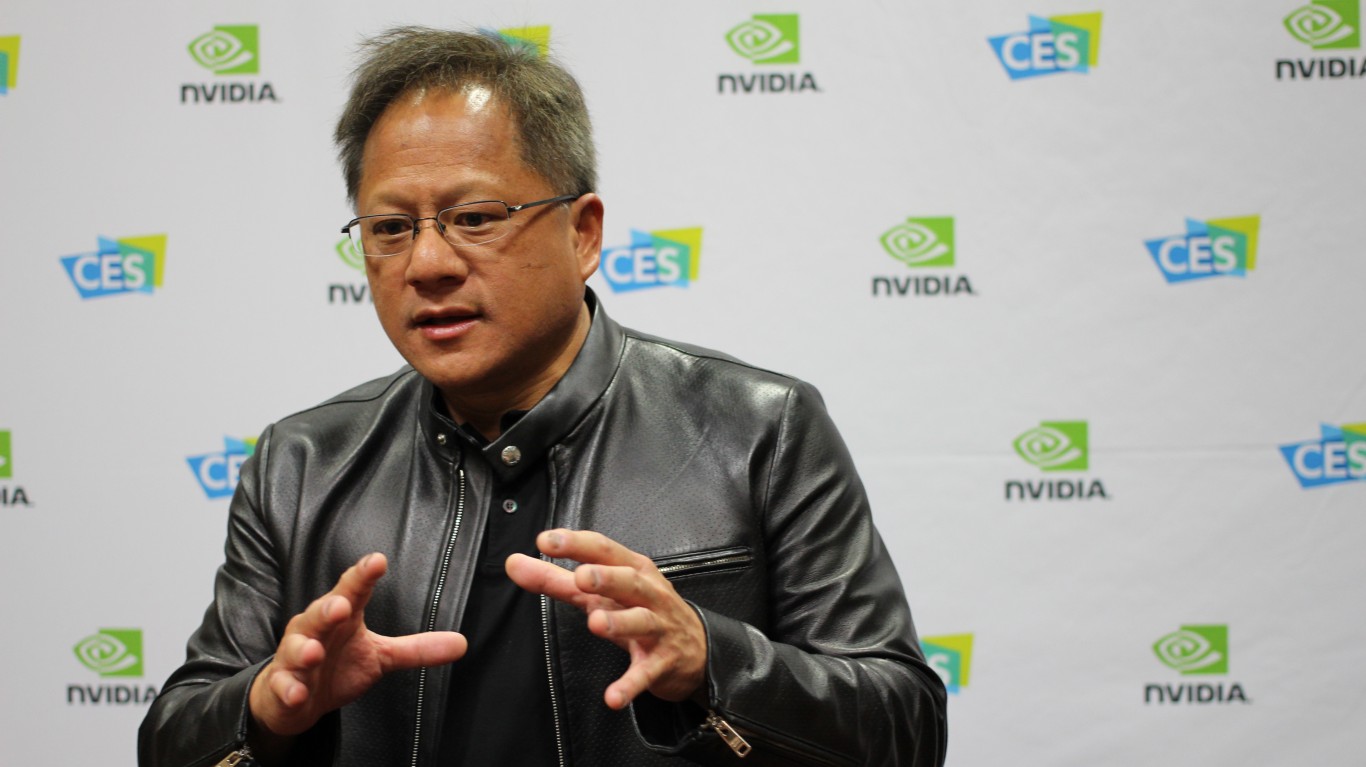
Nvidia (NASDAQ:NVDA) remains the undisputed leader in AI accelerators, but AMD has accomplished something that looked improbable just three years ago.
When generative AI exploded onto the scene in 2023, Nvidia had years of software development, customer relationships, and hardware leadership already in place. AMD was effectively starting from scratch in AI data centers.
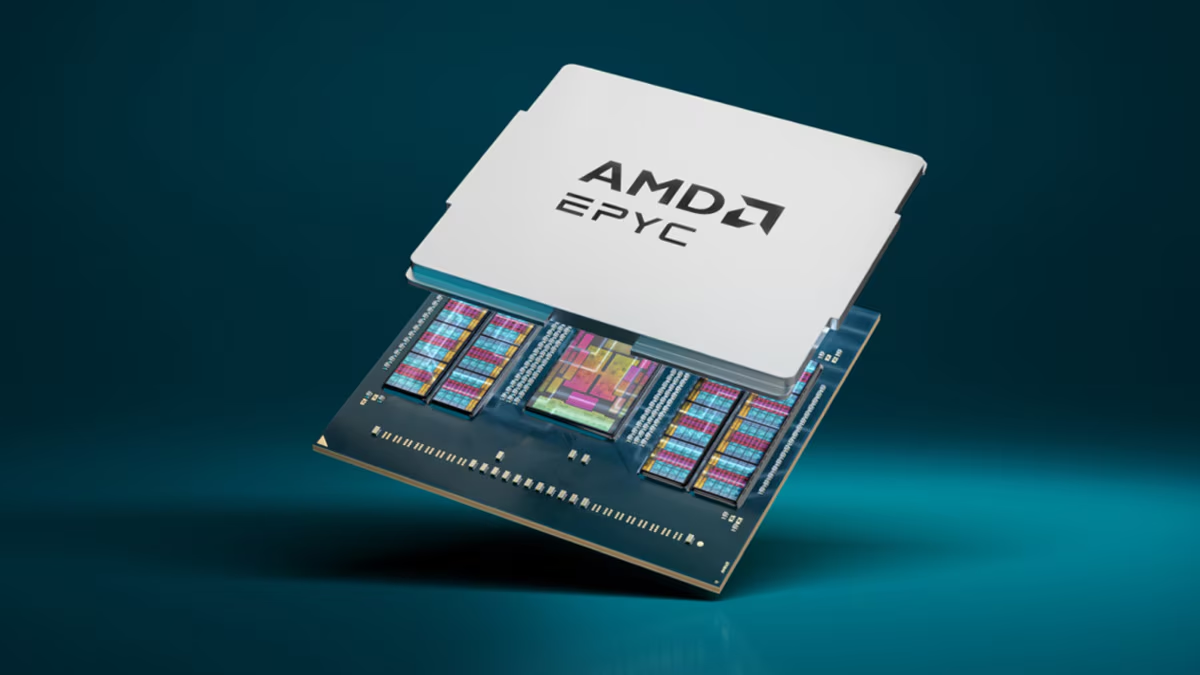
Today, the picture looks much different. AMD’s new HELIOS AI platform stacks up remarkably well against Nvidia’s GB300 architecture across many performance metrics while outperforming it in several workload categories.
That doesn’t mean AMD has overtaken Nvidia. Meta Platforms (NASDAQ:META), Microsoft (NASDAQ:MSFT), Oracle (NYSE:ORCL), and other hyperscalers continue to buy enormous numbers of Nvidia GPUs. Instead, they’re diversifying.
Rather than relying on one chip supplier, large AI customers are building multi-vendor infrastructure that gives them greater negotiating power, improves supply flexibility, and reduces operational risk.
Ironically, AMD didn’t need to replace Nvidia. It simply needed to become a credible alternative.
AI Data Centers Have Become AMD’s Growth Engine
Only a few years ago, AMD’s AI accelerator business barely registered as a revenue contributor. Today, CEO Lisa Su says AI data centers have become “the primary driver of our revenue and earnings growth.”
That transformation is remarkable considering how late AMD entered the market. To put that into perspective, Nvidia spent years building CUDA into the industry’s dominant AI software ecosystem. That advantage still matters, and it remains one of Nvidia’s strongest competitive moats — software ecosystems don’t disappear overnight.
But AI buyers are increasingly evaluating complete systems rather than individual chips. If AMD can offer similar performance, competitive pricing, and reliable supply, many customers will happily deploy both vendors inside the same data center.
That changes the competitive equation.
The Real Opportunity Isn’t Taking Nvidia’s Business
Investors sometimes frame AI as a zero-sum contest. The market itself suggests otherwise.
Global AI infrastructure spending continues to climb as hyperscalers race to expand computing capacity. The opportunity has grown large enough that both Nvidia and AMD can post robust growth simultaneously.
Surprisingly, AMD’s biggest achievement isn’t winning customers away from Nvidia. It’s reaching competitive parity quickly enough to earn a permanent seat at the table. For investors, that may be the more durable advantage.
Key Takeaway
In short, Nvidia still owns the AI performance crown in many areas, and its software ecosystem remains a powerful competitive edge. That said, AMD has narrowed the gap at a pace few expected, transforming itself from an AI outsider into a company that hyperscalers now view as a strategic second source rather than a backup plan.
Ultimately, the investment case isn’t built on AMD defeating Nvidia. It’s built on the AI market becoming large enough for multiple winners. If AI data center spending continues expanding over the next several years, AMD’s rapid ascent suggests it can capture a growing share of one of the biggest technology investment cycles in decades.
Contact [email protected] for any questions or corrections.
After two decades of patrolling the dark corners of suburbia as a police officer, Rich Duprey hung up his badge and gun to begin writing full time about stocks and investing. For the past 20 years, he’s been cruising the markets looking for companies to lock up as long-term holdings in a portfolio while writing extensively on the broad sectors of consumer goods, technology, and industrials. Because his experience isn’t from the typical financial analyst track, Rich is able to break down complex topics into understandable and useful action points for the average investor. His writings have appeared on The Motley Fool, InvestorPlace, Yahoo! Finance, Money Morning, and, of course, 24/7 Wall St. He has been featured in both U.S. and international publications, including MarketWatch, Financial Times, Forbes, Fast Company, and USA Today.