Ford Should Stop Selling EVs
Two bombshell reports from the Times and the Wall Street Journal suggest the American auto industry is running out of time, yet the real threat to Ford may not be Chinese EVs at all.

This post may contain links from our sponsors and affiliates, and Flywheel Publishing may receive compensation for actions taken through them.

Two articles showed up in the press this morning. The first was in The New York Times. It read, “The American E.V. Has Been Crushed. Will It Take the U.S. Auto Industry With It?” The Times rarely runs an article so long. The Wall Street Journal ran an article headlined, “Ford Executive Chairman on Chinese Cars: U.S. ‘Can’t Expect to Keep Them Out Forever’. This article was, in part, a talk with Bill Ford, whose family controls the company. As a matter of fact, they have controlled it since its founding in 1903 by Henry Ford with 12 investors and $28,000.
While neither story says the US car industry is dead, each shows that time has almost run out. The two American industrial giants could crumble and affect the lives of hundreds of thousands of people (this includes the companies that supply them). It is harder to imagine a collapse so huge in the history of American business.
The message of both articles is the same. The US has stuck with large SUVs and pick-ups. The Chinese now control the global EV industry. Tariffs that keep these EVs out won’t last forever. What neither said is that gas-powered cars have a tremendous future, at least in the US. Ford plans to launch a new small EV pickup next year. It doesn’t need to take the risk.
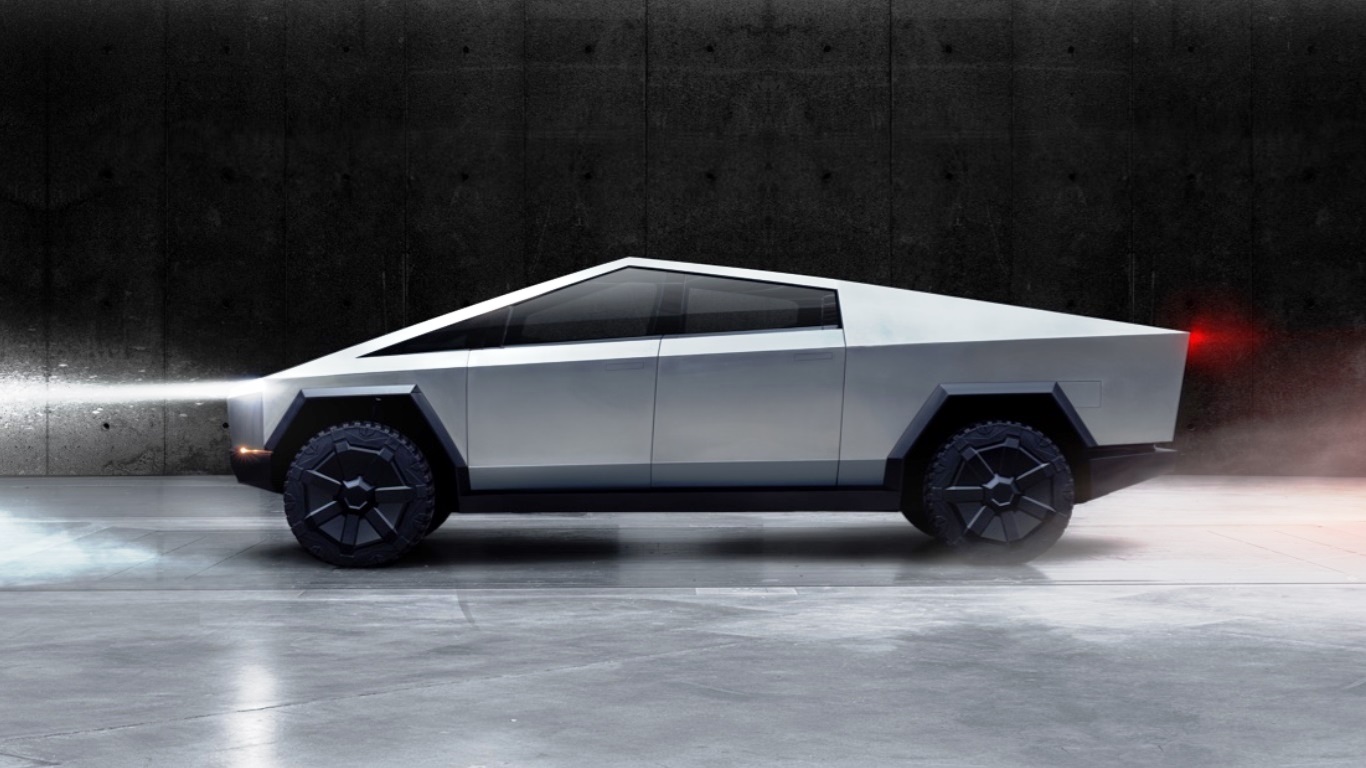
Nothing shows the difference between the Wall St perception of the car industry better than market caps. Tesla’s (NASDAQ: TSLA | TSLA Price Prediction) market cap is $1.49 trillion. GM’s (NYSE: GM)is $69.3 billion. Ford’s (NYSE: F) is $55.7 billion. GM sold 6.18 million vehicles worldwide last year. Ford sold 4.5 million. Tesla sold 1,636,129 vehicles. Some people would argue that Tesla’s market cap is based in part on its robotics and AI futures. But EVs are its business today. Much of the premium is based on that simple fact. and no other.
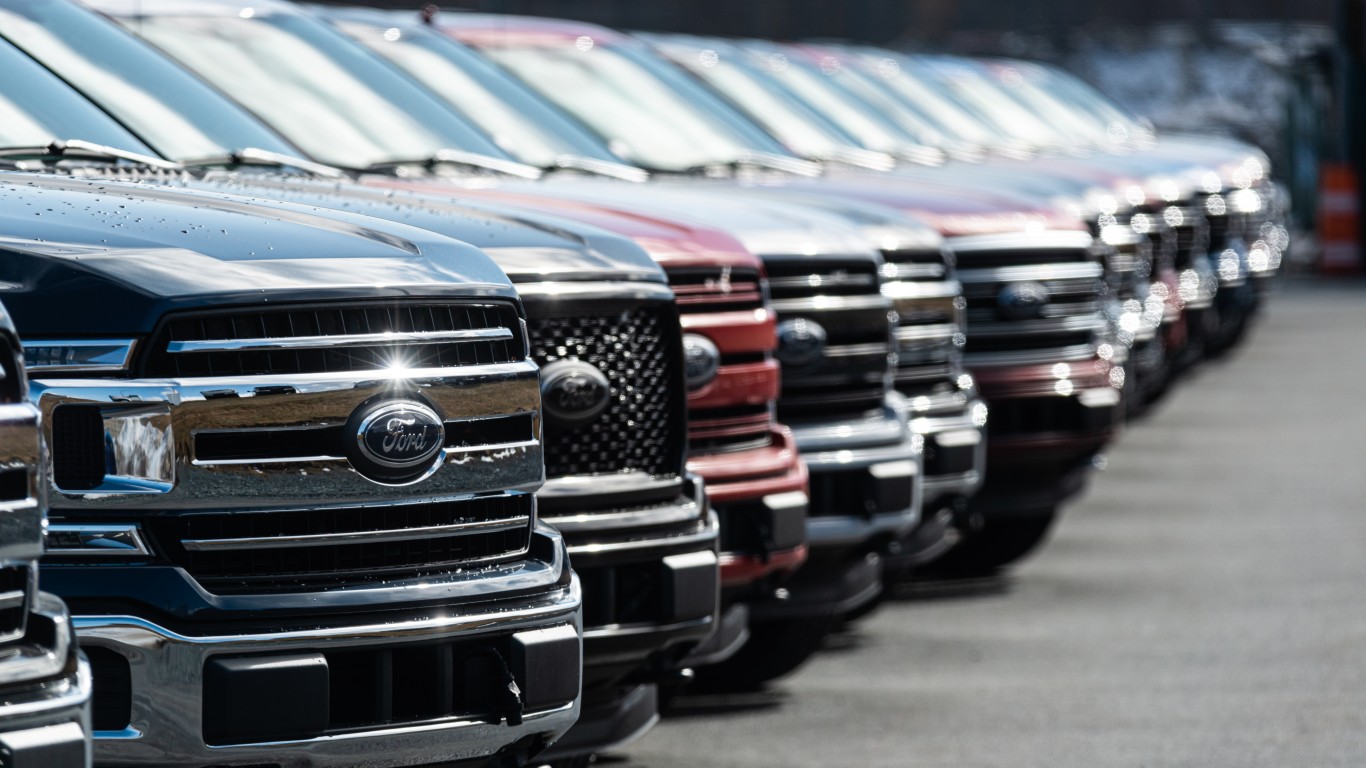
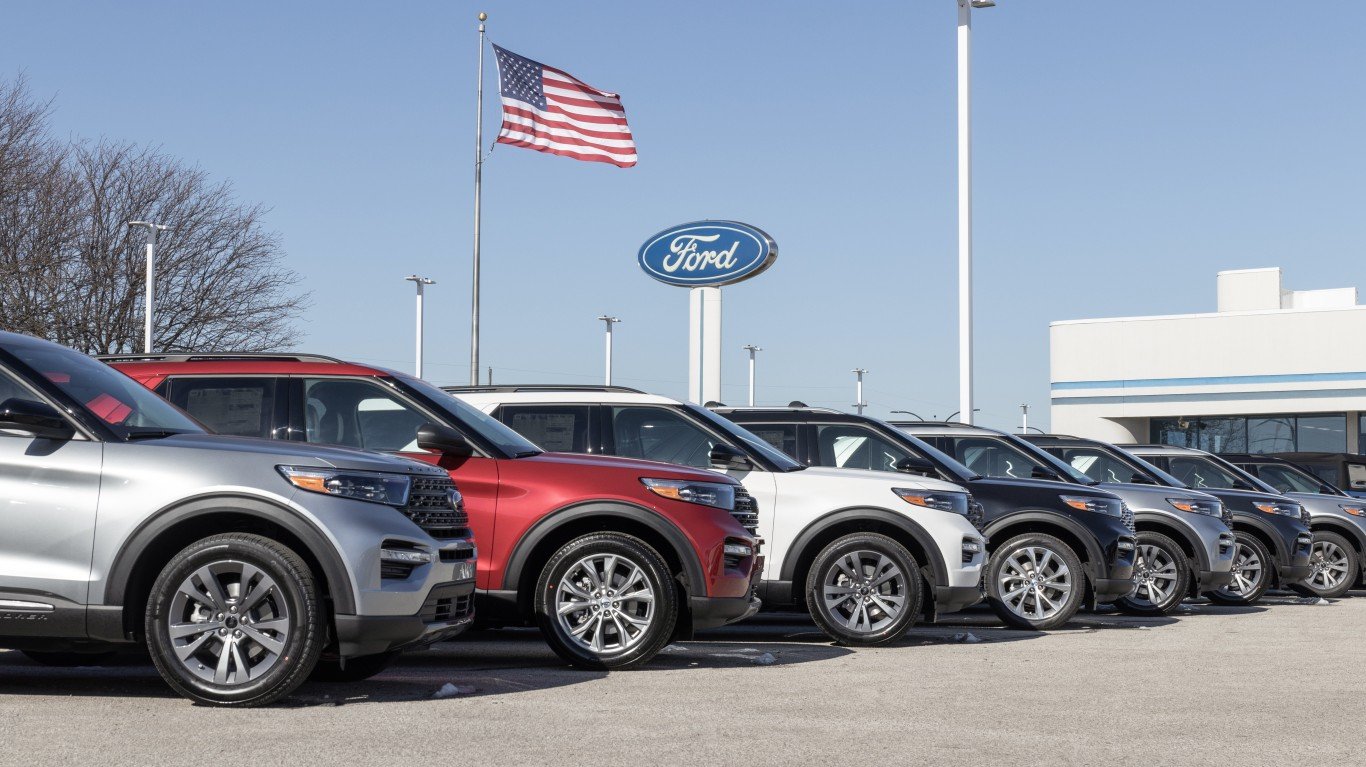
The evidence of Ford’s future is as well-worn a road as any in the car industry. It began aggressively entering the EV business. It quit on that after one of the greatest strategic mistakes in the car industry’s history. It is left to be the king of large SUVs and pickup trucks, which run on gas (Ford sells a few hybrids). There is a realization among some that Ford should have continued its brutal EV path because, at some point, it would be rewarded by that future. But Ford’s EV gamble had already failed.
But this is the fact. According to Cox Automotive, EVs were about 5% of total new car sales in the US in the second quarter. Overall EV sales were down over 20% from the same quarter last year. While Ford has some temporary supply chain problems, it still owns 13% of the US market, which is the second largest in the world after China. The idea that Americans will eventually flock to Chinese EVs may not be true.
American driving habits may not change much until gas prices jump above, say, $5 and stay there. The world is awash in oil. Who says EVs will be in every American garage?
Contact [email protected] for any questions or corrections.
Douglas A. McIntyre is the co-founder, chief executive officer and editor in chief of 24/7 Wall St. and 24/7 Tempo. He has held these jobs since 2006.
McIntyre has written thousands of articles for 24/7 Wall St. He is an expert on corporate finance, the automotive industry, media companies and international finance. He has edited articles on national demographics, sports, personal income and travel.
His work has been quoted or mentioned in The New York Times, The Wall Street Journal, Los Angeles Times, The Washington Post, NBC News, Time, The New Yorker, HuffPost USA Today, Business Insider, Yahoo, AOL, MarketWatch, The Atlantic, Bloomberg, New York Post, Chicago Tribune, Forbes, The Guardian and many other major publications. McIntyre has been a guest on CNBC, the BBC and television and radio stations across the country.
A magna cum laude graduate of Harvard College, McIntyre also was president of The Harvard Advocate. Founded in 1866, the Advocate is the oldest college publication in the United States.
TheStreet.com, Comps.com and Edgar Online are some of the public companies for which McIntyre served on the board of directors. He was a Vicinity Corporation board member when the company was sold to Microsoft in 2002. He served on the audit committees of some of these companies.
McIntyre has been the CEO of FutureSource, a provider of trading terminals and news to commodities and futures traders. He was president of Switchboard, the online phone directory company. He served as chairman and CEO of On2 Technologies, the video compression company that provided video compression software for Adobe’s Flash. Google bought On2 in 2009.