Mark Cuban Made 246 Shark Tank Deals. Not a Single One Has Gone Public.
For fifteen seasons, millions of Americans watched Mark Cuban shake hands on deals they assumed they could someday buy into. The legal reality behind every single one of those handshakes tells a very different story about who the American investment…

This post may contain links from our sponsors and affiliates, and Flywheel Publishing may receive compensation for actions taken through them.
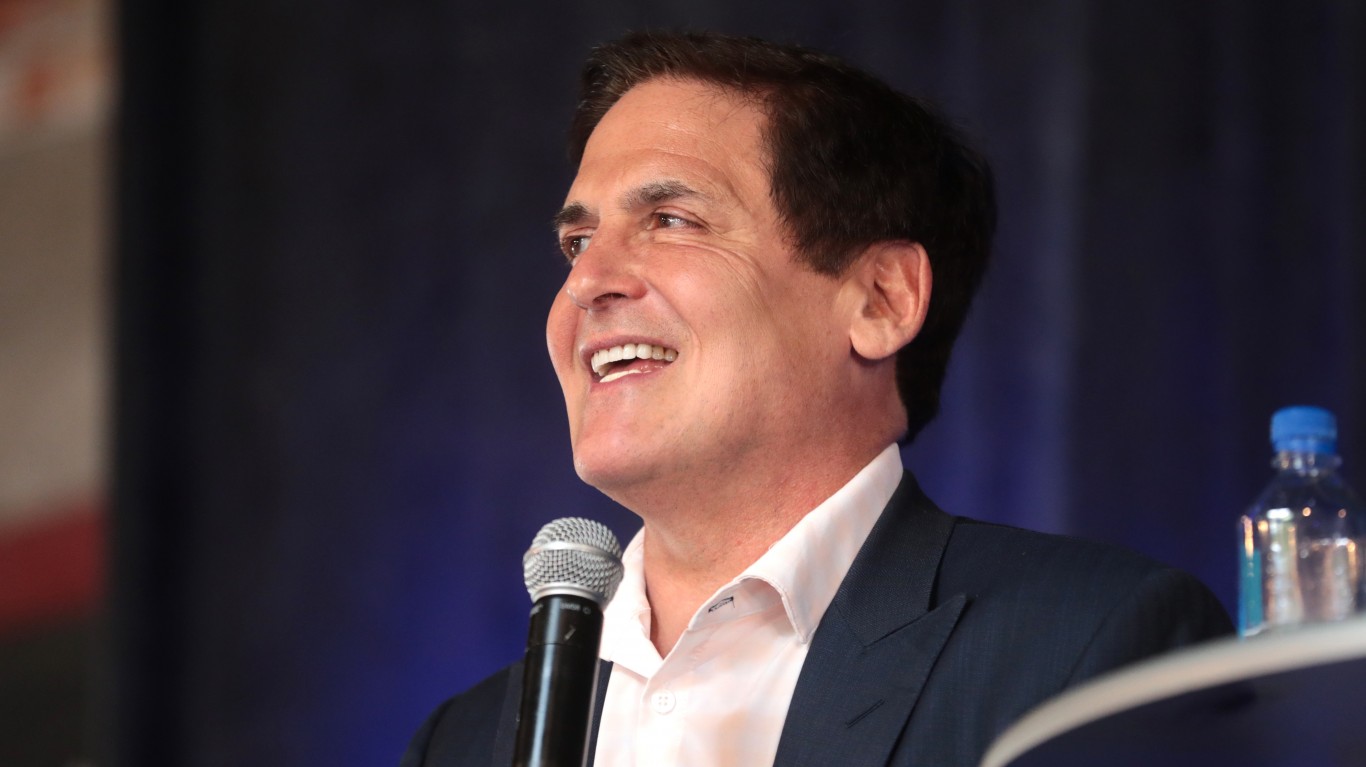
Over more than a decade on the most-watched investing show in television history, Mark Cuban made 246 deals on “Shark Tank.” Millions of Americans watched him hear pitches, haggle over equity, and shake hands on live television. Not one of those 246 companies has ever issued an IPO or become publicly traded, meaning not one has produced a ticker symbol viewers could actually buy.
The Numbers Behind the Deals
Cuban invested in 246 of 1,268 pitches, a 19.4% hit rate, before leaving after Season 16, according to Shark Tank Insights. He put in roughly $33 million of his own money by his accounting to CNBC and has seen about $35 million in cash returns plus equity he values at “at least $250 million,” a paper return of 8-9x. Of the 246 deals, 128 (52%) were solo and 117 were group deals with other sharks. His average check was $224,762, the median $150,000, and his largest single bet was $2 million for 20% of Ten Thirty One Productions. All built on a fortune of roughly $6 billion, traceable to the $5.7 billion sale of Broadcast.com to Yahoo in 1999. The returns are real. They remain completely out of reach for viewers.
The Velvet Rope
Every one of those 246 companies is private, sitting behind what one analyst called “the velvet rope of accredited investing, a world that intentionally excludes ordinary savers.” To invest in private companies like those on Shark Tank, the SEC requires you to be an “accredited investor”, defined as having a net worth above $1 million (excluding your primary home) or annual income above $200,000 ($300,000 for couples) for the past two years. Only about 13% of US households clear that bar, leaving roughly 87% of Americans legally barred from the exact asset class Shark Tank makes look accessible every week. The rule protects unsophisticated investors from risky, illiquid bets. Its practical effect reserves the most exciting opportunities for those already wealthy.
Why None of Them Went Public
The absence of IPOs is structural. Shark Tank companies are typically early-stage consumer-product businesses that grow through sales and acquisitions. The IPO market rarely accommodates companies doing $1 million to $10 million in revenue; a typical Shark Tank business is a decade away from IPO-ready scale when filmed. The most common exit for successful ones is acquisition by a larger company, which produces no public shares for retail investors. The weak small-cap IPO market of recent years has raised the bar further, with today’s typical candidate needing $100 million or more in revenue and a clear path to profit. Cuban plays a long game, aiming to build durable businesses.
The Wins Are Real, and They Are His
BeatBox Beverages, a $1 million investment in 2014 for a one-third stake, now generates over $200 million in annual revenue. Tower Paddle Boards, a $150,000 bet in 2011, has paid back more than $1 million in dividends while he keeps his equity. Dude Products, $300,000 for 25% in 2015, is now in most major retailers and on Amazon. Simple Sugars, a $100,000 investment, exploded after its episode aired. His best returns come from companies that grew profitable and either stayed private or got acquired.
What You Can Actually Do
Real, if limited, ways exist. Regulation A+ offerings let companies raise up to $75 million from non-accredited investors, hosted on platforms like StartEngine and Republic. Equity crowdfunding under Regulation CF lets companies raise up to $5 million, with platforms accepting investments as small as $100. A diversified small-cap ETF offers broad, fully accessible exposure to smaller growing companies. Most early-stage companies fail, and even Cuban, with his network and capital, makes money on only a minority of his bets. A retail investor putting $100 into a single crowdfunding deal has none of his diversification or due diligence. Equity crowdfunding provides access without approximating Cuban’s results.
The Lesson Shark Tank Never Meant to Teach
The show illustrates something fundamental about American capital markets: the highest-returning opportunities, including early-stage equity, venture capital, and private deals, are legally reserved for those who already have money. Ordinary Americans’ savings are channeled by design into Treasuries, savings accounts, and public equities, while the asset classes with the biggest upside sit behind a legal wall. The accredited-investor rule was written to protect small savers from losing money; its lasting effect steers them toward lower-returning assets while the best deals stay gated. That may be the most revealing investing lesson Shark Tank ever delivered, entirely by accident. The best deals in American business sit behind a wall that excludes most watching, and closing that gap determines who gets to build wealth.
Contact [email protected] for any questions or corrections.
I've spent more than 15 years inside enterprise software, working alongside the finance, sales operations, and HR leaders who run the revenue engines at some of the largest tech companies in the country.
My day job is helping enterprise executives make smarter decisions about retention, compensation, and growth. These are the same operational levers that show up in every earnings report investors actually read. That perspective shapes my writing for 24/7 Wall St.
The headline numbers are easy. The interesting stuff is underneath: how companies make money, what executives are worried about, and what any of it means for the person checking their 401(k) on a Sunday afternoon. I write about personal finance and business as someone who has spent her career inside the rooms where these decisions get made.