NVIDIA’s 75% Margins vs TSMC’s Foundry Gamble: Two Paths to AI Dominance, One Winner
NVIDIA prints 75% margins while TSMC bets tens of billions on new fabs, and both companies insist they are winning the AI race. Only one business model can claim the better long-term edge, and the answer depends on which number…


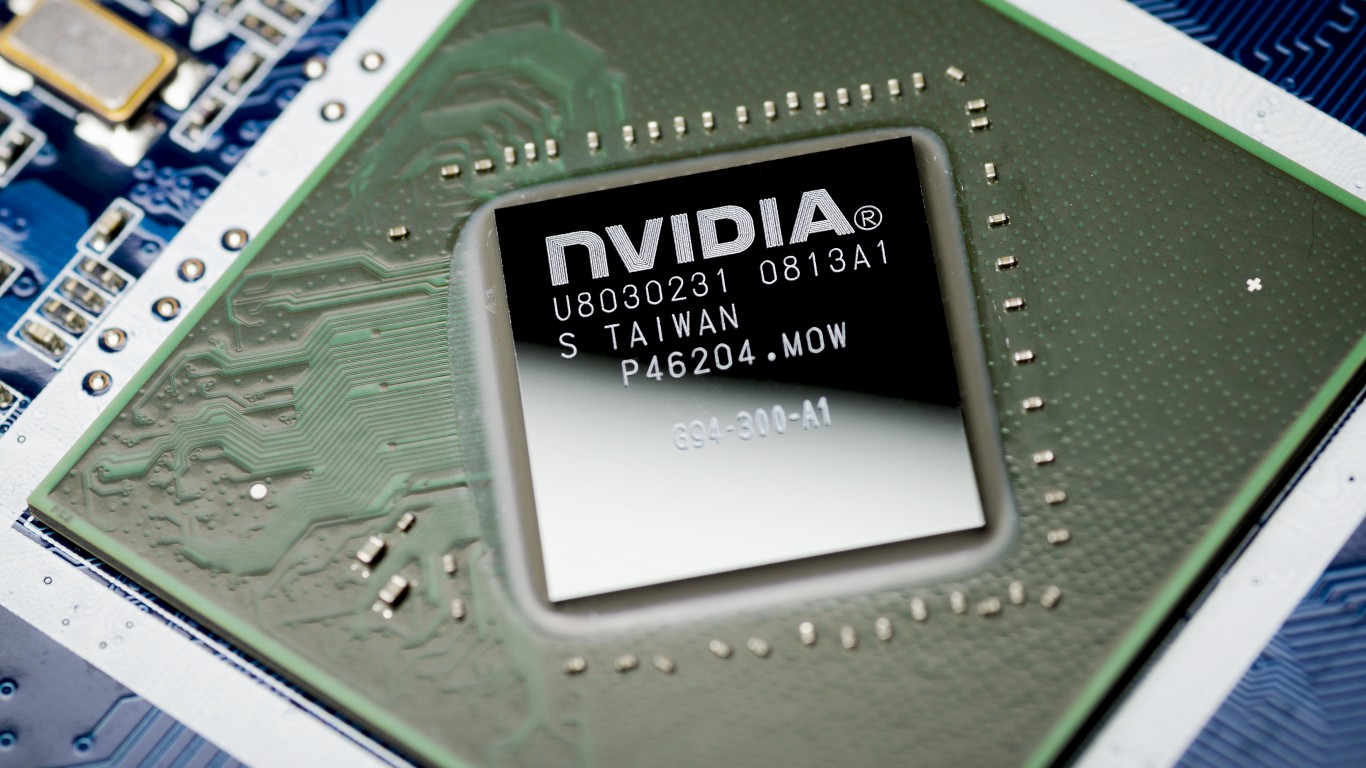
NVIDIA (NASDAQ:NVDA | NVDA Price Prediction) and Taiwan Semiconductor Manufacturing (NYSE:TSM) sit on opposite ends of the same AI supply chain.
NVIDIA just posted $81.6 billion in Q1 FY27 revenue, and TSMC reported Q2 2026 today after flagging NT$442.68 billion in June alone. One designs the chips. The other builds them. Both are riding the same wave, on very different economics.
Blackwell Rules NVIDIA. AI Wafers Rule TSMC.
NVIDIA’s Data Center segment reached $75.25 billion, up 92% year over year, with networking alone at $14.8 billion (+199%). That is InfiniBand, NVLink, and Spectrum-X pulling their weight next to GPUs.
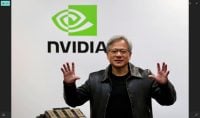
Jensen Huang framed it plainly: “The buildout of AI factories, the largest infrastructure expansion in human history, is accelerating at extraordinary speed.” Guidance for Q2 FY27 is $91 billion, and it excludes China entirely.

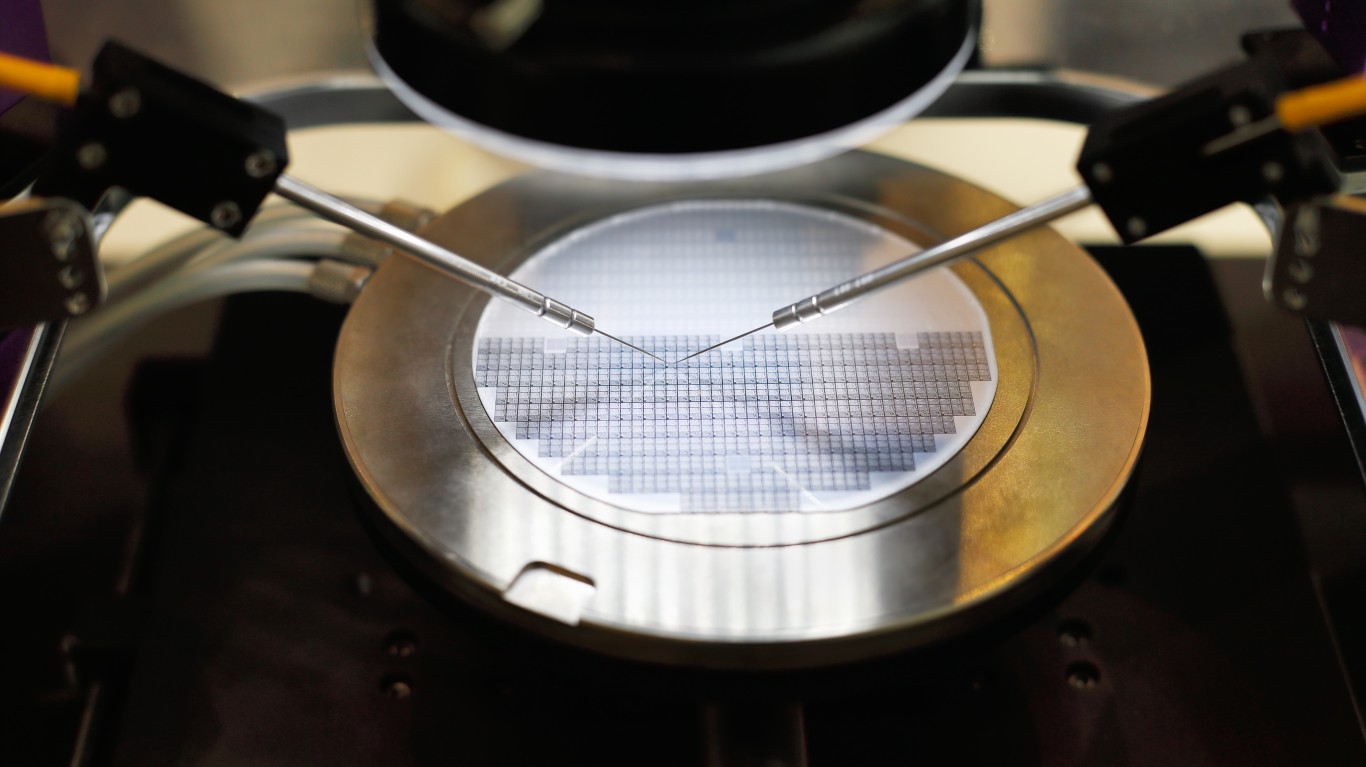
TSMC’s story is quieter but arguably deeper. Advanced nodes at 7nm and below made up 77% of wafer revenue in Q4 2025, with 3nm at 28% and 5nm at 35%.
High Performance Computing has become the dominant segment at NT$558.59 billion in Q3 2025, larger than smartphones. First-half 2026 revenue is already up 35.6% year over year. The June revenue report grew 67.9%, a number that would look wild anywhere else.
Designer Margins vs. Foundry Muscle
The business models produce very different profiles. NVIDIA’s gross margin sits at 75% non-GAAP, a fabless designer collecting rent on CUDA and platform lock-in.
TSMC’s gross margin came in at 62.3%, above its own guidance, which is remarkable given how capital-hungry the foundry business is. TSMC plans $52 billion to $56 billion in 2026 capex. NVIDIA, by contrast, just authorized $80 billion in fresh buybacks and lifted the dividend from $0.01 to $0.25.
| Lens | NVIDIA | TSMC |
| Core Bet | AI platform (Blackwell, Vera Rubin) | Leading-edge nodes (3nm, 2nm) |
| Gross Margin | 75.0% | 62.3% |
| Capital Priority | Buybacks and dividends | Fab expansion (Arizona, Japan, Germany) |
| Key Vulnerability | China export ban, customer concentration in hyperscalers (~50%) | Top 10 customers = 85% of AR, geopolitical risk |
The relationship is symbiotic. The first Blackwell wafer produced on US soil rolled out of TSMC Arizona. If you want to see where NVIDIA’s supply commitments of $119 billion land, look at TSMC’s order book.
The Next Test Is Whether Demand Keeps Compounding
NVIDIA’s Q2 guide assumes continued hyperscaler urgency and no China rebound. TSMC’s full-year 2026 outlook of near 30% USD growth depends on 3nm and 2nm ramps holding through H2.
Reddit chatter reflects the tension: NVDA sentiment swung sharply on DeepSeek and Meta custom-chip headlines, while TSM sentiment jumped to 78 on the June revenue release.
Why I Lean Toward TSMC on Valuation, NVIDIA on Momentum
Personally, I find TSMC the more interesting name at these levels. Its forward P/E of 27 against NVIDIA’s 23 looks reasonable given TSMC serves NVIDIA, Apple, AMD, and Broadcom, and its stock is already up 78.95% over the past year versus NVIDIA’s 24.65%.
If you want the platform economics and the buyback cadence, NVIDIA still fits. If you want the pick-and-shovel exposure with a broader customer base, TSMC does. I would hesitate on both if China tensions escalate further, because that scenario dents demand at NVIDIA and complicates TSMC’s fab strategy at the same time.
Contact [email protected] for any questions or corrections.
Vandita Jadeja is a financial publisher with over a decade of experience writing about financial topics, including investment, savings, retirement, insurance and banking. Vandita is a Chartered Accountant who loves to debunk financial concepts for readers.
Her work has appeared on sites that include The Motley Fool, InvestorPlace, and Benzinga. She covers investing and focuses on stock picks and price prediction for 24/7 Wall St.
When not looking for the next stock investment opportunity, she can be found traveling, reading, chasing sunsets and enjoying her iced latte.