Zuckerberg Promises No One Notices When He Takes Work Calls On His Jet Ski. His Glasses Division Lost $19.2 Billion Last Year
Mark Zuckerberg bragged about taking a secret business call from a jet ski, and the person on the other end never suspected a thing. But the division behind that $799 party trick is bleeding money fast, and investors are starting…

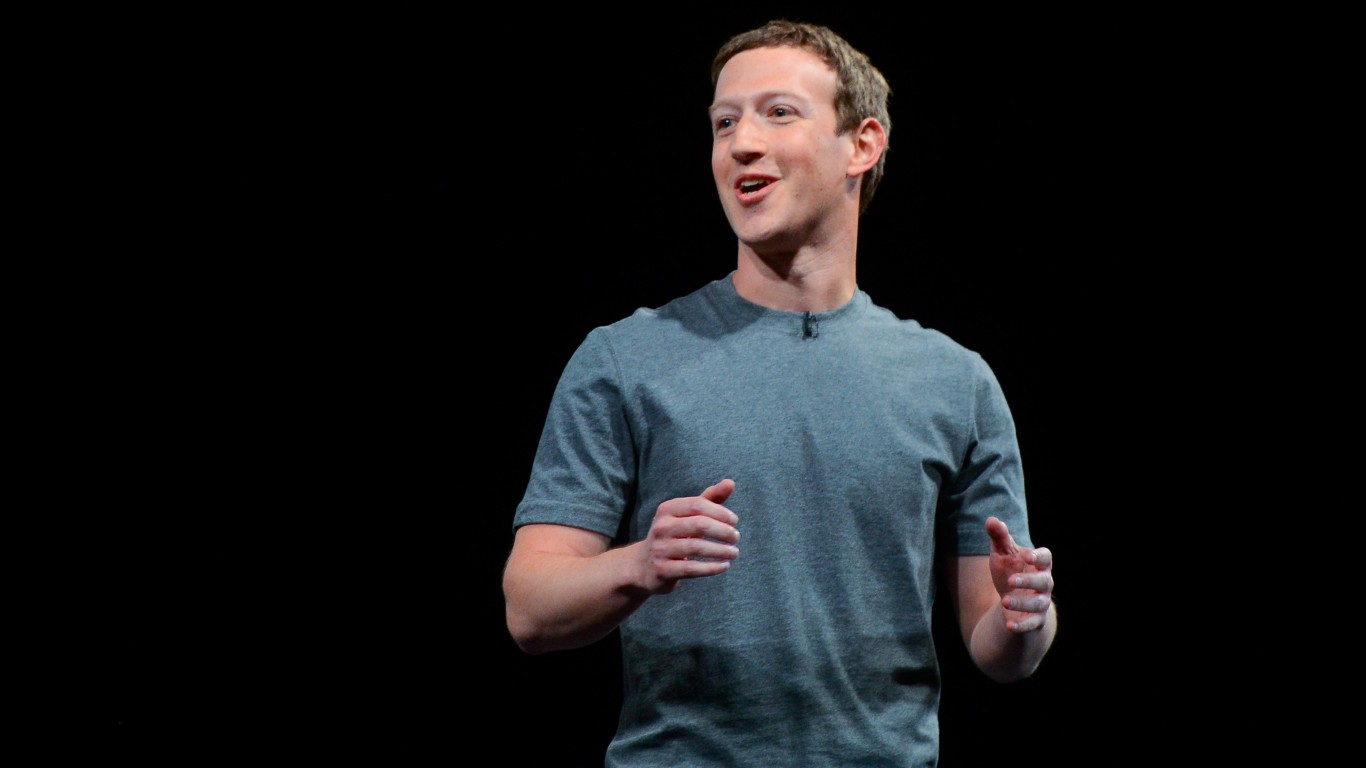
Mark Zuckerberg has a new flex: taking business calls while riding a jet ski wearing Meta (NASDAQ:META | META Price Prediction)’s Ray-Ban Display glasses. $799 smart glasses In a Complex interview published in early July 2026, the CEO said, “The other person could not tell that I was on it.” He credited a microphone in the nose pad that filters wind noise. “You could literally be in a wind tunnel and it would sound completely clear to the person on the other side.” He also noted “you don’t necessarily want to tell the other person you’re on a jet ski.”
It is a fun anecdote with a sobering backdrop.
The Glasses Zuckerberg Can’t Stop Talking About
Meta’s glasses lineup ranges from the $379 Ray-Ban Meta (Gen 2) to the $799 Meta Ray-Ban Display, the company’s first consumer glasses with a built-in display, unveiled at Connect in September 2025. The Display model includes a Neural Band wristband that reads forearm muscle signals for gesture control.
Zuckerberg’s pitch centers on one number: nearly 2 billion people already wear vision-correction glasses. He compares the moment to the flip phone’s demise. “In five years or whatever, all of the flip phones were going to be smartphones, and that’s basically how I feel about glasses today,” he said.
His case for glasses over phones emphasizes presence. Glasses let people stay engaged with those around them while an AI assistant “see what you see, hear what you hear, talk to you throughout the day.” That is the core of what he calls “personal super intelligence,” contrasted with a future run by “one big AI,” which he calls “a bad future, no matter how good the AI is.”
The Multi-Billion-Dollar Reality
Reality Labs, the Meta division building the glasses, lost $19.2 billion in 2025. Spending continues rising: Meta’s 2026 capital expenditure guidance runs as high as $145 billion.
Zuckerberg’s bull case rests on momentum. Glasses sales reportedly tripled over the past year, per Meta’s January 2026 earnings call, and he has called them “some of the fastest growing consumer electronics in history.” His justification echoes the Meta playbook: “The formula for our company has always been to build experiences that can get to billions of people and focus on monetizing them once you get to scale.”
A Courtroom Complication
In February 2026, a judge threatened contempt-of-court sanctions against members of Zuckerberg’s entourage for wearing recording-capable Meta glasses into a courtroom where recording was banned.
Whether this flex ages well depends on whether the glasses bet converts from a fast-growing curiosity into the profit engine Zuckerberg keeps promising investors. Right now, the audio is crystal clear. The economics remain uncertain.
Contact [email protected] for any questions or corrections.
I've spent more than 15 years inside enterprise software, working alongside the finance, sales operations, and HR leaders who run the revenue engines at some of the largest tech companies in the country.
My day job is helping enterprise executives make smarter decisions about retention, compensation, and growth. These are the same operational levers that show up in every earnings report investors actually read. That perspective shapes my writing for 24/7 Wall St.
The headline numbers are easy. The interesting stuff is underneath: how companies make money, what executives are worried about, and what any of it means for the person checking their 401(k) on a Sunday afternoon. I write about personal finance and business as someone who has spent her career inside the rooms where these decisions get made.