Tesla Should Break Itself Into Two Companies
Tesla's latest earnings reveal a company quietly splitting into two very different businesses with very different futures, and the gap between them is growing too wide to ignore.


Tesla’s (NASDAQ: TSLA | TSLA Price Prediction) earnings showed that, at an extremely rapid pace, it has become two companies (at least). One makes and sells cars—the other gambles, often on what appears to be longshots, on AI and robotics. (Tesla does have an energy generation business which produced $3.1 billion, or 11% of the total, in the most recent quarter. It does not fit neatly into either silo.)
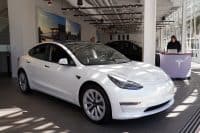
The proof that Tesla’s car business continues to be the revenue core is that at $20.5 billion, it was 73% of Tesla’s total revenue of $28.2 billion. Auto revenue was up 23% year over year in Tesla’s second quarter. Overall revenue rose 26%. Net income for the entire company was $1.1 billion, which was down 5% year over year.
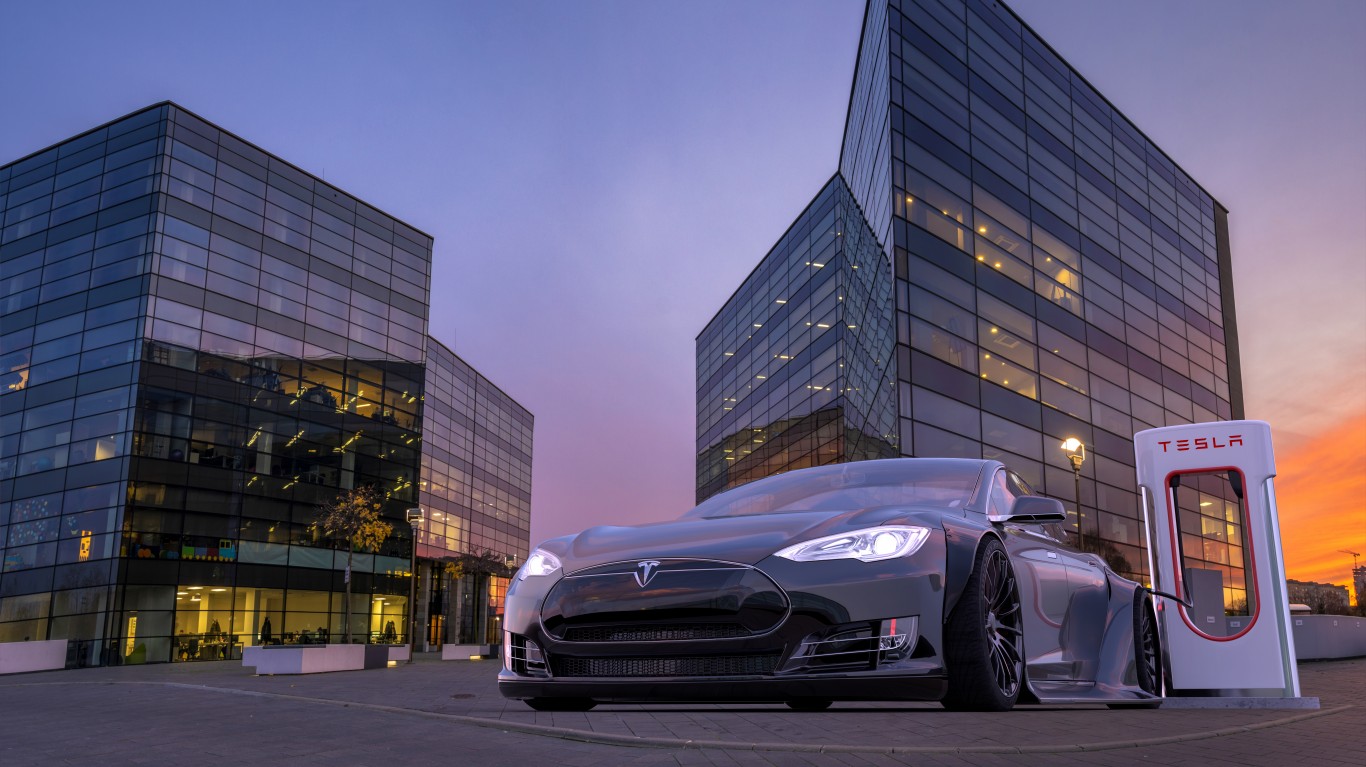
Total vehicle deliveries were 480,126 in the quarter, up 25% year over year. Anyone who believes that Tesla’s car operations are in trouble is wrong. China sales may have been unstable over time. Tesla took a brutal beating in the EU last year, and lost the EV sales lead there to China’s BYD. However, this year, EU figures have gotten better. The US remains an EV graveyard, but Tesla is still the market leader, and what might have been major competitors like Ford (NYSE: F) have quit.
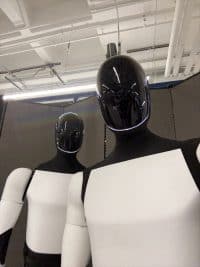
Tesla breaks out the status of what it calls its “robotics” operation. It reports that two facilities are under construction. One is in California, and the other is in Texas. Tesla reported, “The initial Optimus builds will be used in our Optimus Academy for training data collection and further functionality development. Additionally, we continued site development at Gigafactory Texas with building construction now in full swing.”
Tesla offered updates to its “robotaxi” business. It admitted that the effort is still in early stages, with wide-scale deployment contingent on both technological breakthroughs and regulatory approvals.
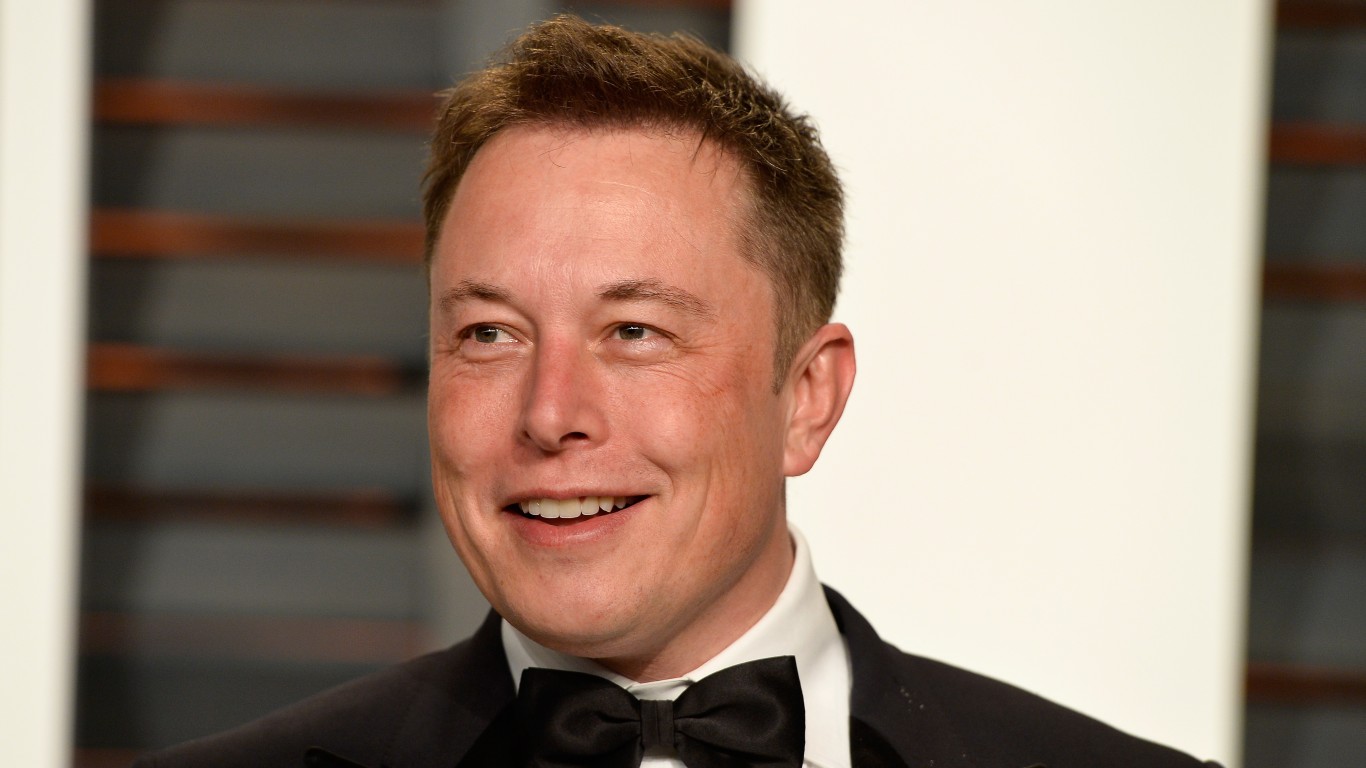
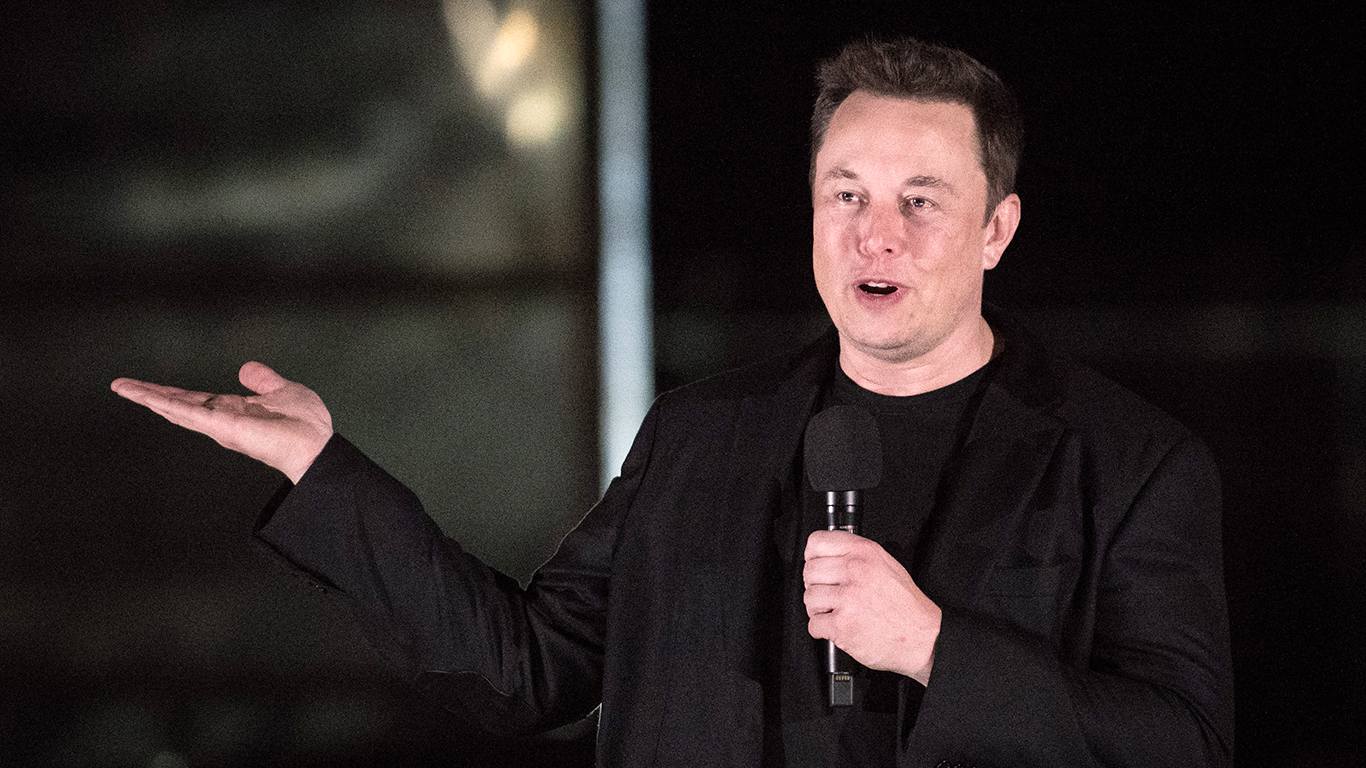
Capital expenditures jumped 142% to $5.8 billion from $2.4 billion in the same quarter last year. Part of the cost of the robotics business is AI training and development of hardware and software that make a robot a real robot (CEO Elon Musk has said that, in the future, the world will have billions of robots).
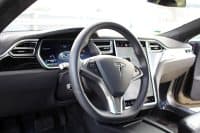
The question is how the company actually gets broken apart. The self-driving parts of the auto business are really AI-based. The ultra-advanced autopilot business is growing rapidly. The system is called Full Self-Driving (Supervised). Tesla said “active FSD subscriptions” rose 56% in the quarter to 1.48 million. It does not function without a car, so it belongs with the auto operations. Similarly, the robotaxi business and its Cybercab are modes of transportation and, thus, cannot be separated from these car operations.
So what does that leave? Robotics and AI are what Musk says are the future of Tesla. That is at the core of the debate over Tesla’s valuation, which is $1.4 trillion. That makes it the 11th most valuable company in the world. The market caps of other major car companies are, in every case, a fraction of that.
Spin-outs and break-ups of public companies are meant as a way to unlock value that is locked because disparate businesses have been put together under one roof. Tesla should “unlock.” Let investors who want to invest in EVs and their software buy an EV stock. Let people who want to own a robotics company that relies on advanced AI features own a robotics company.
The challenge, of course, remains in the execution of such a split. While the automotive arm can provide the cash flow necessary to fund Musk’s more ambitious visions, the robotics side is what currently inflates Tesla’s staggering $1.4 trillion valuation. Once again, by separating them, the market would finally be forced to decide if the robotics venture is a revolutionary tech giant or a speculative longshot, all while allowing the car business to be judged on its industry-leading fundamentals.
Contact [email protected] for any questions or corrections.
Douglas A. McIntyre is the co-founder, chief executive officer and editor in chief of 24/7 Wall St. and 24/7 Tempo. He has held these jobs since 2006.
McIntyre has written thousands of articles for 24/7 Wall St. He is an expert on corporate finance, the automotive industry, media companies and international finance. He has edited articles on national demographics, sports, personal income and travel.
His work has been quoted or mentioned in The New York Times, The Wall Street Journal, Los Angeles Times, The Washington Post, NBC News, Time, The New Yorker, HuffPost USA Today, Business Insider, Yahoo, AOL, MarketWatch, The Atlantic, Bloomberg, New York Post, Chicago Tribune, Forbes, The Guardian and many other major publications. McIntyre has been a guest on CNBC, the BBC and television and radio stations across the country.
A magna cum laude graduate of Harvard College, McIntyre also was president of The Harvard Advocate. Founded in 1866, the Advocate is the oldest college publication in the United States.
TheStreet.com, Comps.com and Edgar Online are some of the public companies for which McIntyre served on the board of directors. He was a Vicinity Corporation board member when the company was sold to Microsoft in 2002. He served on the audit committees of some of these companies.
McIntyre has been the CEO of FutureSource, a provider of trading terminals and news to commodities and futures traders. He was president of Switchboard, the online phone directory company. He served as chairman and CEO of On2 Technologies, the video compression company that provided video compression software for Adobe’s Flash. Google bought On2 in 2009.