After Losing More Than Half His Net Worth, Elon Musk Raises $3 Billion for Another Company
Elon Musk watched more than $750 billion evaporate from his net worth in roughly six weeks, yet he was quietly raising billions for the one company in his portfolio that almost nobody bothers to scrutinize. The deal has now closed.

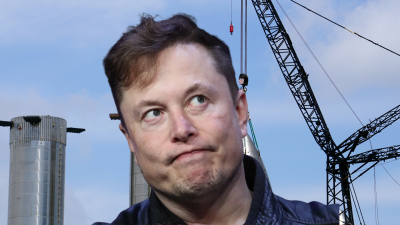
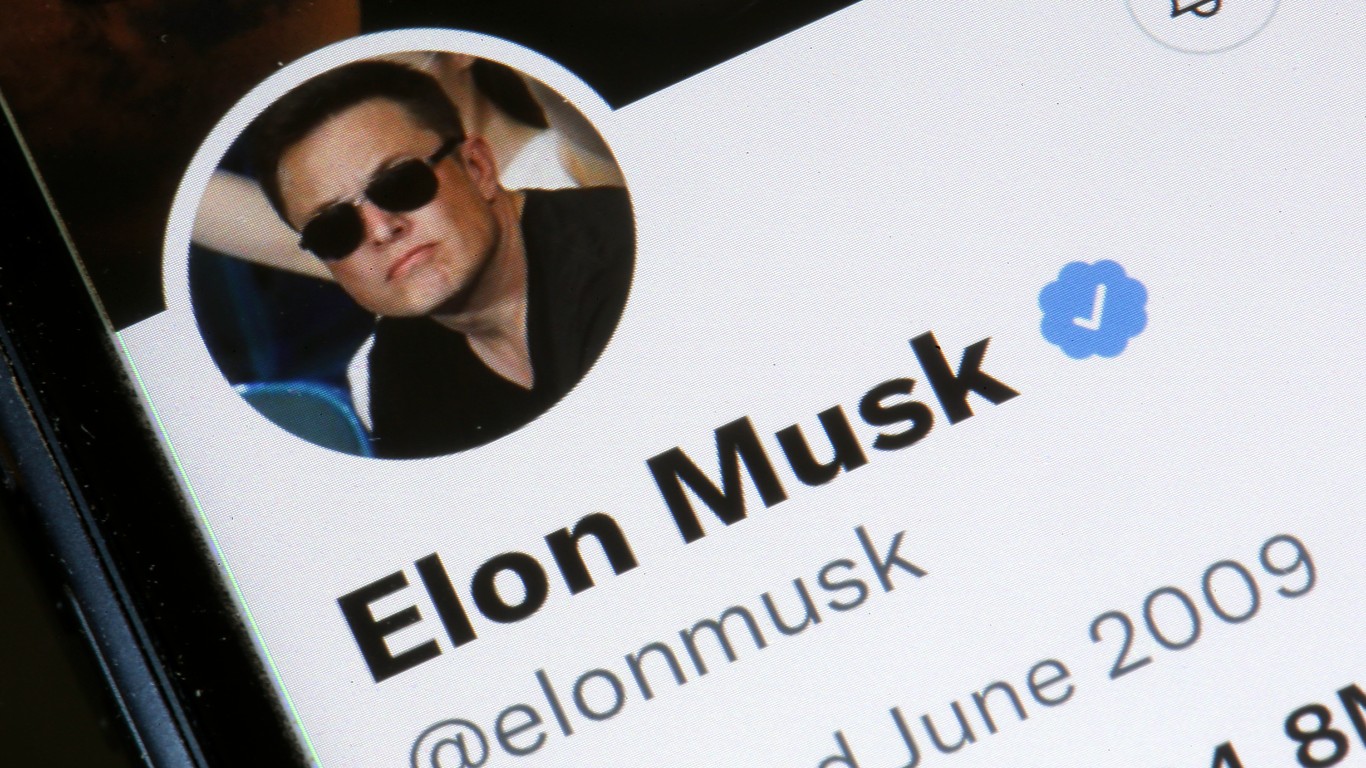
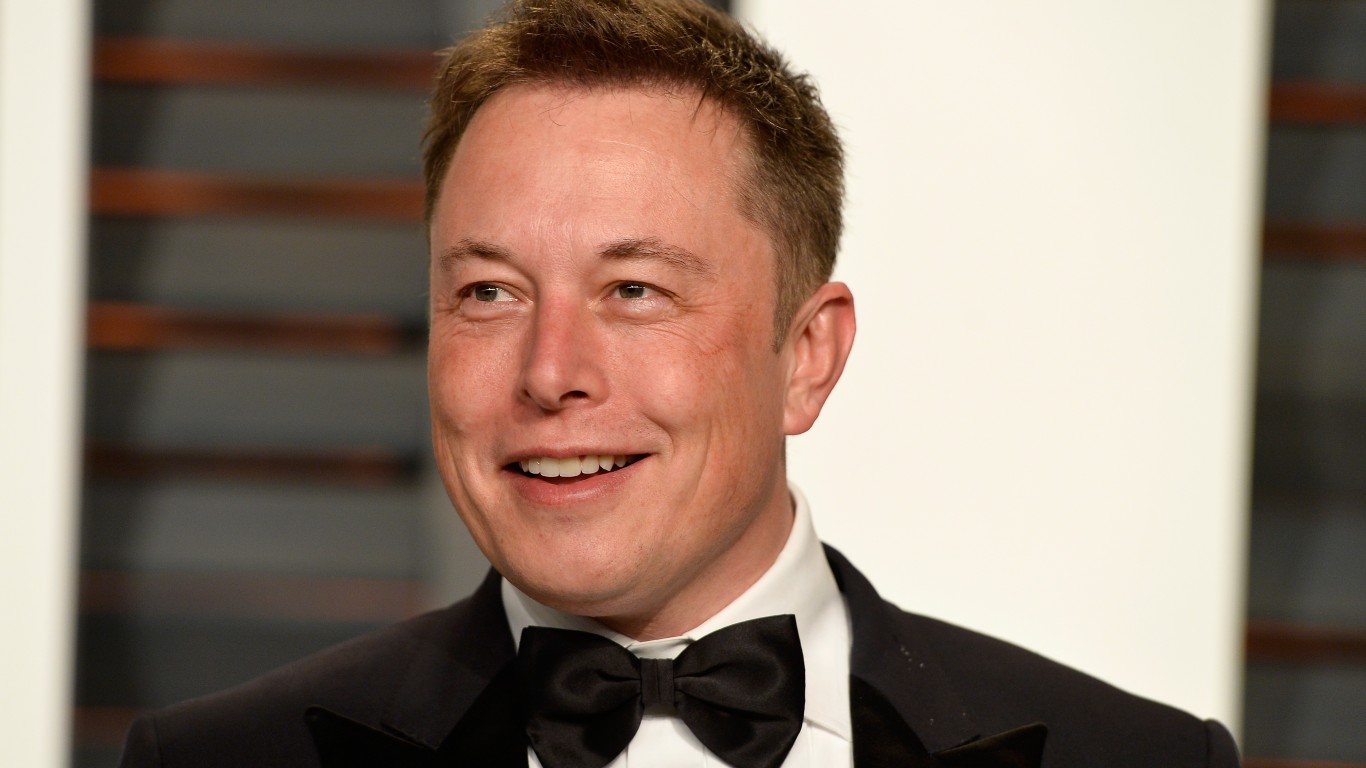
Elon Musk just lived through the worst stretch of wealth destruction in financial history. His net worth peaked at roughly $1.45 trillion on June 16, 2026, the day SpaceX shares hit their all-time high. By late July, Forbes tracked his fortune below $700 billion, a collapse of more than $750 billion in roughly six weeks. Musk himself acknowledged the reality, calling himself a “former” trillionaire. Through all of it, he was quietly raising money for the one company in his portfolio that almost nobody talks about.
The Boring Company, Musk’s tunnel-construction venture, had been in talks to raise about $4 billion at a valuation of roughly $20 billion, according to The Wall Street Journal. Then on September 9, 2026, the company announced the deal had closed, though at slightly different terms. The Boring Company raised $3 billion in a Series D round at a $23 billion valuation, led by the United Arab Emirates. That is roughly four times its 2022 valuation of $5.7 billion, set during a $675 million Series C led by Vy Capital and Sequoia Capital. Investors in the new round include Sequoia Capital, Andreessen Horowitz, Temasek, Valor Equity Partners, Vy Capital, Human Capital, Shamal Holding, and Baron Capital.
Where the Money Went
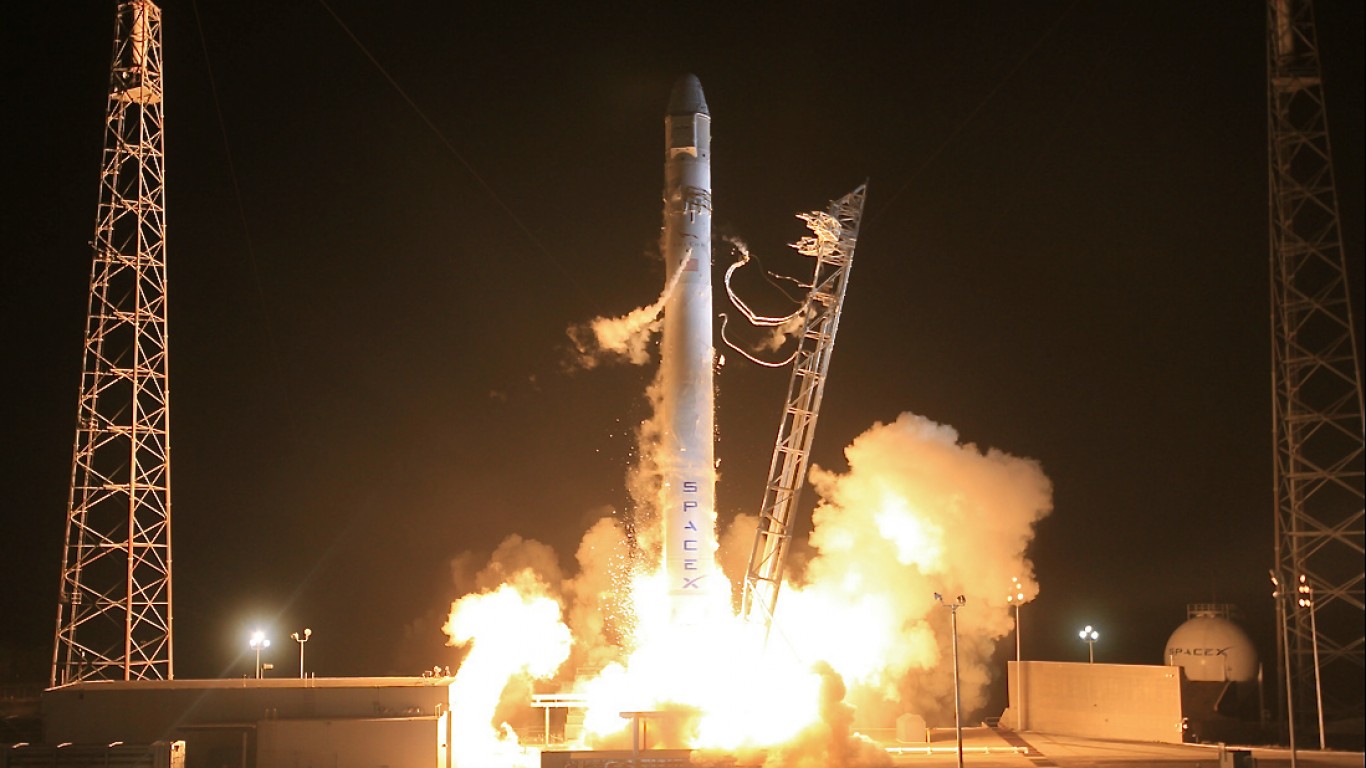
The primary driver of the wipeout was SpaceX. SpaceX shares fell roughly 50% from their mid-June peak, erasing more than $1 trillion in market cap, with an aborted Starship launch accelerating the slide. Tesla compounded the damage.
On July 22, 2026, Tesla (NASDAQ:TSLA | TSLA Price Prediction) reported second-quarter revenue of $28.24 billion, beating consensus estimates of about $26.4 billion by nearly $2 billion. The revenue beat did not save the stock. Adjusted earnings came in at just $0.33 per share against a consensus of $0.54, a miss of 38.51%. Free cash flow swung to negative $1.09 billion as capital expenditures more than doubled. The stock closed at $313.03 on July 24, down 17.81% for the week and 30.39% year to date. Short sellers booked roughly $4 billion in a single day on the drop.
Tesla CFO Vaibhav Taneja told analysts that “CapEx more than doubled sequentially, and we expect it to increase further in the second half of 2026,” confirming Tesla will spend more than $25 billion this year and secure debt facilities to borrow up to $30 billion. Musk framed the outlays as “one of the fastest industrial scale-ups in America” since World War II.
Since the article was first published, SpaceX reported its first quarterly earnings as a public company on August 4, 2026. Revenue came in at $7.8 billion for the second quarter, well above the $6.8 billion Wall Street had forecast, and the net loss narrowed to $541 million from $1 billion in the year-ago period. Starlink subscribers doubled year over year to 12 million. The strong numbers were overshadowed by capital expenditures of $18.4 billion in Q2 alone, more than six times higher than a year earlier, sending SpaceX shares down roughly 8% in after-hours trading.
The Company Nobody Watches
A $3 billion private round for a tunneling startup would ordinarily command front pages. The relative quiet surrounding this one has defined the Boring Company since Musk announced the concept in December 2016 and formally incorporated the venture the following January. The company operates the Vegas Loop in Las Vegas, where it now runs 12 operational stations and has carried over four million riders. Total tunnel construction has reached roughly 11 miles, of which approximately 3.5 miles are currently active, with the remainder awaiting station completions and regulatory approvals. In March 2026, the company’s Prufrock-2 boring machine set a Vegas Loop record by completing a single 2.28-mile continuous tunnel drive near Westgate. Clark County has approved a full 68-mile, 123-station system after adding 19 stations in August 2026, and the Boring Company says the current station count will double by the end of 2026.
The company is also pushing well beyond Las Vegas. Nashville’s Loop project is under construction. The UAE deal, which anchors the new Series D, commits the Boring Company to building more than 150 kilometers of tunnel across the Emirates, beginning with a 6.4-kilometer Dubai pilot contracted to begin construction in late 2026. The Boring Company has pitched additional projects in Baltimore, Chicago, and Los Angeles, though several of those have stalled. Nevada regulators recorded their own concerns, citing the company for nearly 800 environmental violations related to its tunneling work.
The lack of media scrutiny remains striking. In Walter Isaacson’s 615-page biography of Musk, the Boring Company occupies only three pages. Nearly a decade after its founding, the gap between the company’s ambitions and its commercial track record is precisely what investors have now priced at $23 billion.
What to Watch
The Series D has answered at least one of the two questions that most mattered. The question of who leads the check is resolved: a UAE government entity, not a syndicate of Musk-adjacent family offices, put up the anchor capital. That distinction matters. The UAE is both lead investor and primary customer for the largest piece of work the new money will fund, a structure that aligns incentives but also means success in the Gulf will depend as much on navigating government relationships as on tunneling technology itself. Some investors were reportedly told they would need to help fill open roles or make introductions to city officials in markets where the Boring Company wants to build, with shares subject to buyback if they cannot deliver.
The remaining question is whether SpaceX’s strong revenue beat on its first earnings report has shifted sentiment back toward Musk’s broader ecosystem broadly enough to justify the $23 billion valuation in the years ahead. Musk remains the world’s richest person by a wide margin even after the collapse, with his fortune recovering toward $1 trillion as SpaceX shares stabilized. The Boring Company deal, now closed on terms that actually exceed the originally reported valuation, is the clearest test yet of whether the Musk brand can sustain a price tag four times higher than what sophisticated investors assigned just four years ago.
Editor’s note: Since this article was first published, the Boring Company’s fundraise closed on September 9, 2026, at $3 billion in a Series D round led by the United Arab Emirates at a $23 billion valuation, rather than the originally reported $4 billion target at $20 billion. Clark County also expanded the approved Vegas Loop build-out from 104 to 123 stations in August 2026, operational stations grew from 11 to 12 with the Sahara Las Vegas opening, and the Boring Company announced the current station count will double by year-end 2026.
Contact [email protected] for any questions or corrections.
AJ spent 10 years writing about financial markets at The Motley Fool. His coverage centers on technology stocks and the broader macroeconomic trends, from interest rates to geopolitics, that shape where markets are headed next. AJ is drawn to the stories where big-picture economics and individual companies collide.