SpaceX Stock Is Down 49% — Elon Musk Says That’s Exactly What Investors Should Expect
Elon Musk opened SpaceX's historic IPO to everyday investors with unusual generosity, then issued a warning that Wall Street still does not know how to price. What he said about missing earnings on purpose reframes everything about owning this stock.

The biggest initial public offerings often create the biggest expectations. Wall Street has a long history of turning marquee IPOs into can’t-miss events, only for reality to catch up once the excitement fades. That pattern has repeated itself across multiple market cycles, particularly with mega-cap debuts where sky-high valuations leave little room for disappointment.
SpaceX‘s (NASDAQ:SPCX | SPCX Price Prediction) historic IPO followed the same script. Yet unlike most blockbuster offerings, Elon Musk made a deliberate effort to ensure everyday retail investors — not just institutional funds and wealthy clients — had a meaningful opportunity to own shares from day one. Ironically, he also warned those same investors that the stock might not be right for them.
A Different Kind of IPO
Most IPOs overwhelmingly favor Wall Street. Large investment banks typically allocate the bulk of available shares to institutional investors, hedge funds, and high-net-worth clients, leaving retail investors buying only after trading begins — often at much higher prices.
SpaceX took a different approach. The company reserved a sizeable portion of its IPO allocation for retail investors, making the largest public offering in history one of the most accessible as well. It reflected Musk’s long-standing view that individual investors deserve the same opportunities traditionally reserved for large institutions.
That accessibility helped fuel enormous demand. SpaceX priced its IPO at $135 per share, but enthusiasm quickly drove the stock sharply higher in its first days of trading. Like many headline-grabbing IPOs before it, however, the initial excitement proved difficult to sustain.
Today, SPCX trades around $114 per share, roughly 22% below its IPO price and 49% below the post-IPO high it reached shortly after its debut.
Surprisingly, that isn’t an unusual outcome. History shows that many mega IPOs often struggle after their initial surge as lofty expectations collide with the realities of running a public company.
SpaceX Warned Investors From the Beginning
SpaceX has been warning investors all along its long-term ambitions could conflict with quarterly earnings expectations. President and COO Gwynne Shotwell said at the time of the IPO that the company is measuring its operating horizon in decades, not months.
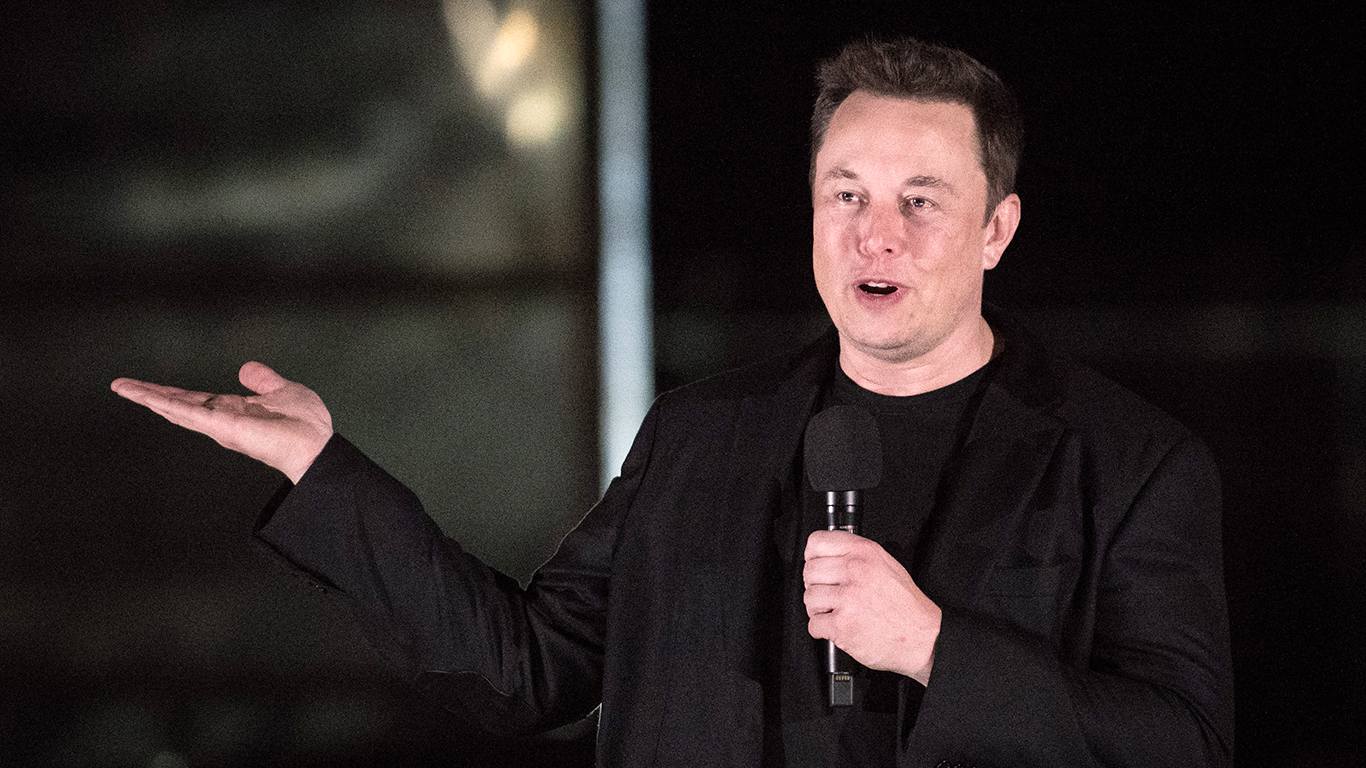
Musk reinforced that message during a recent interview with Zanny Minton Beddoes, editor-in-chief of The Economist. He acknowledged that public companies face relentless pressure to produce strong quarterly results instead of investing for the next decade.
“One of the challenges with being a public company is the pressure to have great results every single quarter and not really invest in things that may only pay off in five to 10 years.”
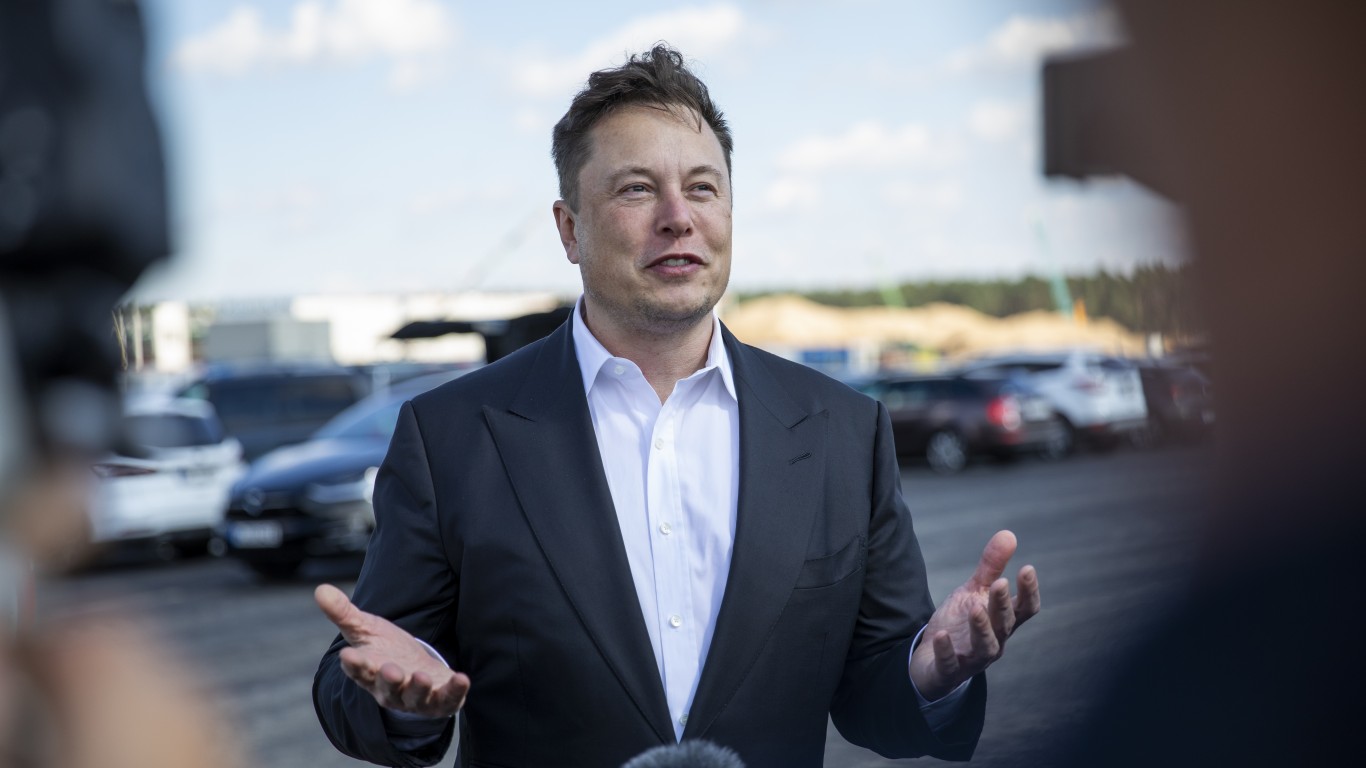
He then pointed directly to SpaceX’s ambitions to expand humanity beyond Earth, saying the company could willingly sacrifice near-term profits to build infrastructure on the Moon or Mars — even knowing investors might react negatively.
“We’ll be spending all this money on a Moon base or a Mars base… people will say, ‘You missed your earnings this quarter because you spent too much on Mars.’ I’m like, ‘Yes.'”
This possibility was also disclosed in the company’s prospectus long before the IPO, yet public markets often remain focused on quarterly margins rather than decade-long returns.
That doesn’t make SpaceX a bad investment. It simply makes it a specialized one. Companies pursuing transformative technologies often require years of heavy spending before shareholders see the full payoff. Amazon (NASDAQ:AMZN) spent decades prioritizing growth over profits. Tesla (NASDAQ:TSLA) endured years of skepticism while expanding manufacturing capacity. SpaceX appears prepared to follow a similar path.
Key Takeaway
In short, SpaceX’s IPO wasn’t just historic because of its size. It also challenged the traditional IPO model by giving retail investors access typically reserved for Wall Street’s biggest clients. Yet Musk paired that opportunity with an equally clear warning: don’t expect the company to optimize for next quarter’s earnings.
At its current depressed price, SpaceX stock reflects how difficult that message can be for public markets to embrace. Ultimately, investors considering SpaceX should focus less on where the shares trade today and more on whether they’re willing to own a company whose biggest investments — and potentially its biggest rewards — may still be a decade away.
Contact [email protected] for any questions or corrections.
After two decades of patrolling the dark corners of suburbia as a police officer, Rich Duprey hung up his badge and gun to begin writing full time about stocks and investing. For the past 20 years, he’s been cruising the markets looking for companies to lock up as long-term holdings in a portfolio while writing extensively on the broad sectors of consumer goods, technology, and industrials. Because his experience isn’t from the typical financial analyst track, Rich is able to break down complex topics into understandable and useful action points for the average investor. His writings have appeared on The Motley Fool, InvestorPlace, Yahoo! Finance, Money Morning, and, of course, 24/7 Wall St. He has been featured in both U.S. and international publications, including MarketWatch, Financial Times, Forbes, Fast Company, and USA Today.