GM Up 61%, Ford Up 6% In Five Year Stock Price Race
Two of America's biggest automakers poured billions into EVs, faced brutal write-offs, and fought for market share, yet their investors came away with wildly different results. The gap between them reveals something deeper than a few bad product bets.

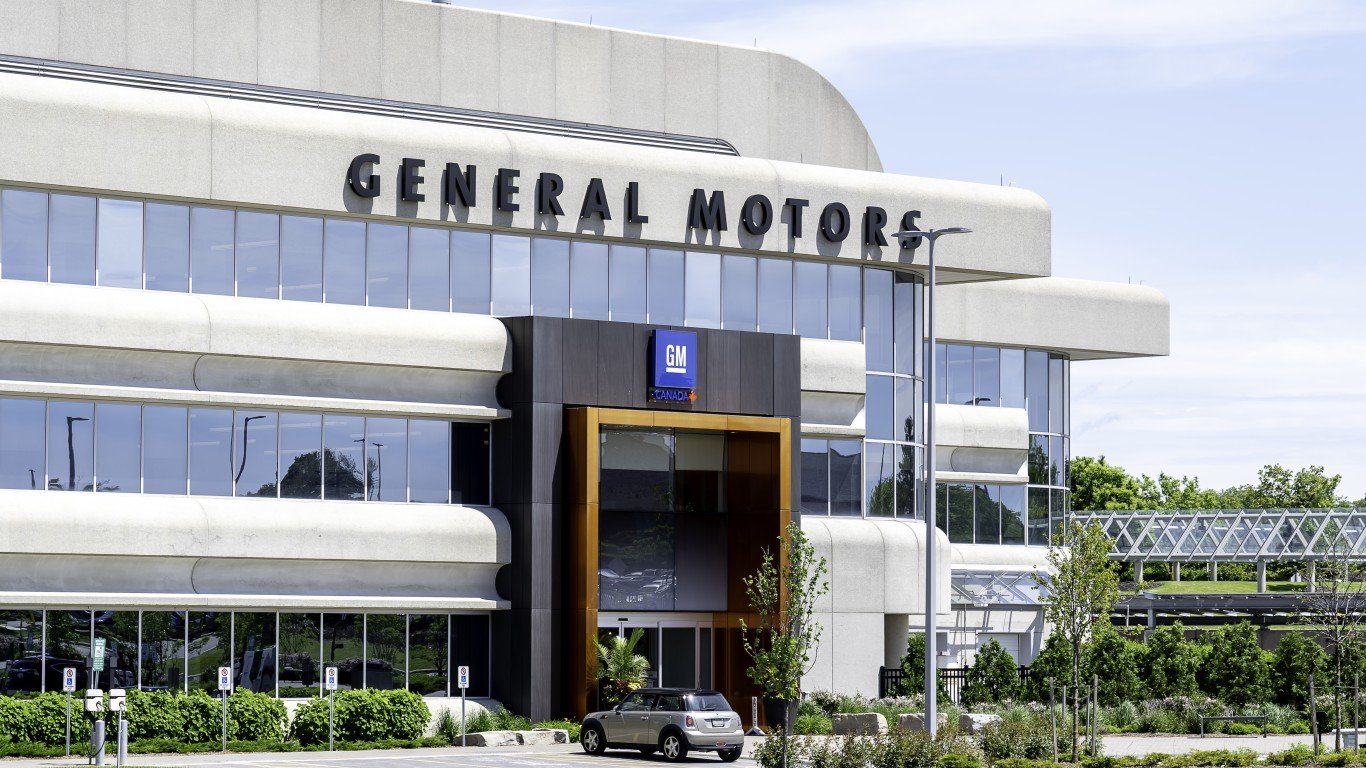
It is easy to tell which huge American car company investors favor over the long term. GM’s stock is up 61% in the last five years, according to Yahoo Finance and Google Finance. Ford is up 6% over the same period. The auto industry has been through at least one huge economic cycle during that period. It is easy to see who won.
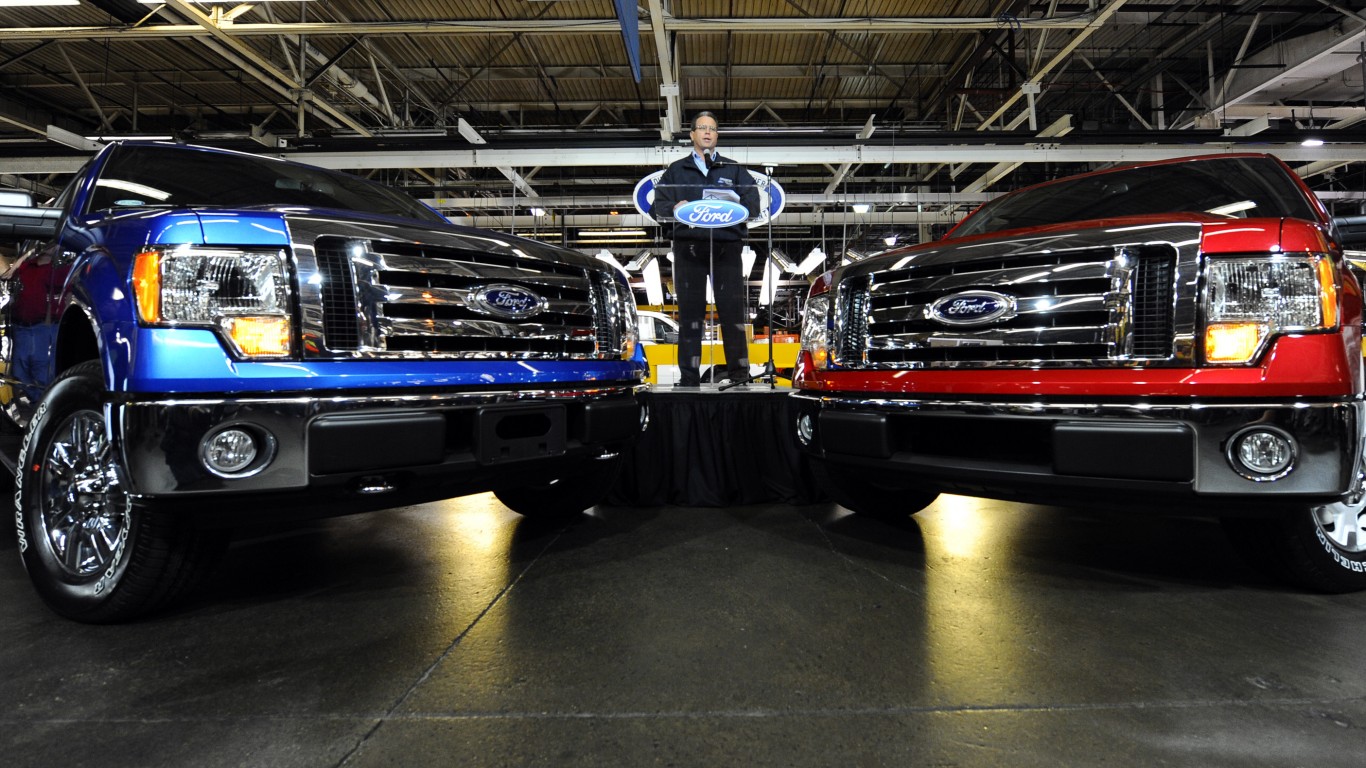
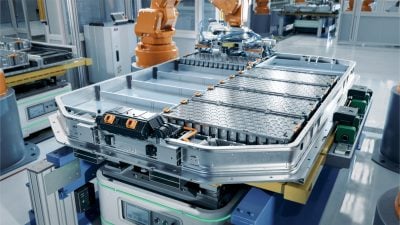
What are the obvious things? Ford (NYSE: F | F Price Prediction) took a beating in the EV space in the US, but in terms of write-offs, GM (NYSE: GM) also posted awful numbers. Ford’s write-off was $19.5 billion. GM had two. One was $6 billion, and the other was $1.6 billion. Ford said on many occasions that its EV plans would transform the company. Executive Chairman Bill Ford made it clear that the launch of the EV F-150 Lightning was the most important launch of his career. Ford also forecast EV sales into the hundreds of thousands and said it had the capacity to build them. GM Chairman Mary Barra said her company would be a success, but her comments about success were more muted.
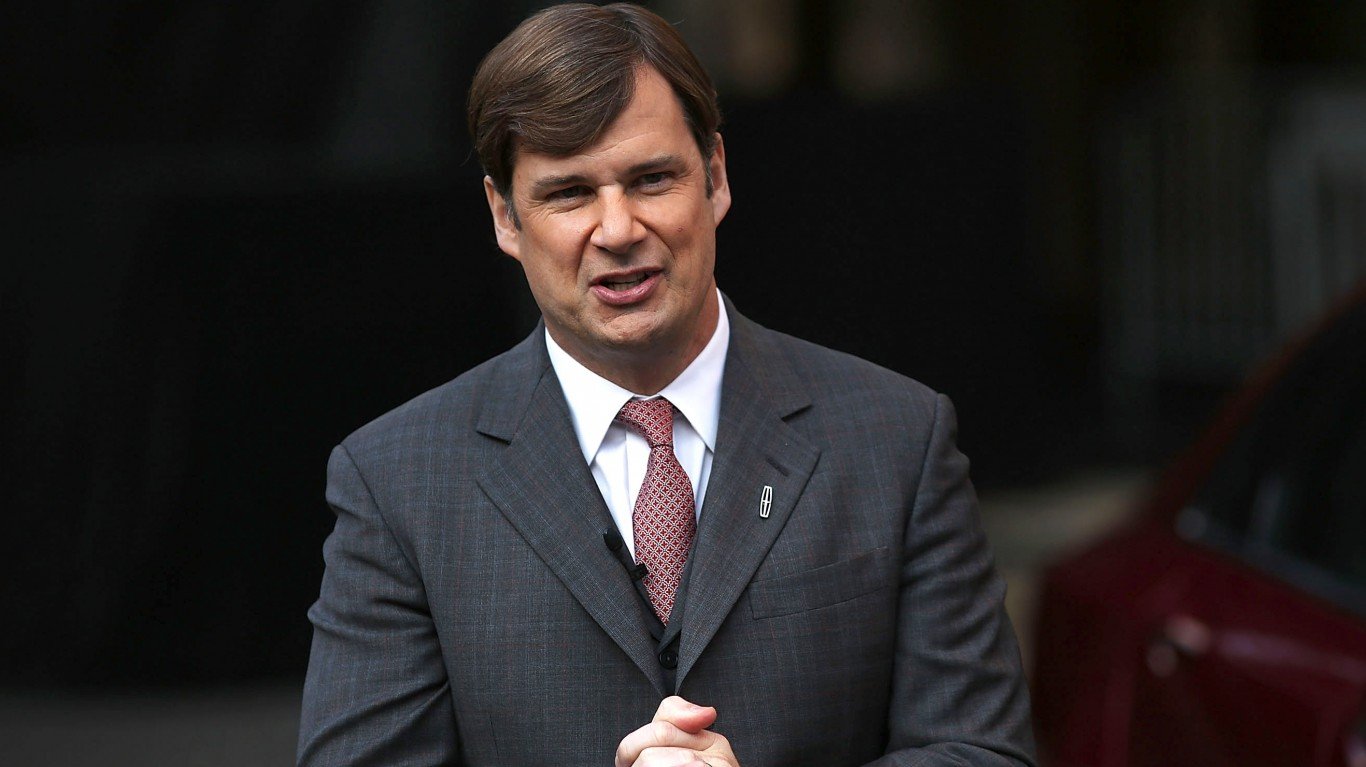
Ford CEO Jim Farley has also made alarming comments about what will happen if Chinese EVs make it into the US market. The risk would seem to be equivalent to that faced by GM, but Barra has been less vocal.
Another of Ford’s problems was its US market share. By most measures, it is behind both GM and Toyota (NYSE: TM). Market share in a company’s home market means a great deal, particularly when its primary competitor is not even US-based.
Ford also falls well behind all its US rivals in product quality. It did take the top spot among mass-market brands in the ranking of mainstream brands in the JD Power 2026 U.S. Initial Quality Study (IQS). However, this does not offset the 153 safety recalls it had last year, or the 61 it has had this year.
Finally, and more of a guess, there is the issue of long-term control of the companies. The Ford family has voting power over the corporation. GM has a more traditional structure under which the board and shareholders are in charge.
Contact [email protected] for any questions or corrections.
Douglas A. McIntyre is the co-founder, chief executive officer and editor in chief of 24/7 Wall St. and 24/7 Tempo. He has held these jobs since 2006.
McIntyre has written thousands of articles for 24/7 Wall St. He is an expert on corporate finance, the automotive industry, media companies and international finance. He has edited articles on national demographics, sports, personal income and travel.
His work has been quoted or mentioned in The New York Times, The Wall Street Journal, Los Angeles Times, The Washington Post, NBC News, Time, The New Yorker, HuffPost USA Today, Business Insider, Yahoo, AOL, MarketWatch, The Atlantic, Bloomberg, New York Post, Chicago Tribune, Forbes, The Guardian and many other major publications. McIntyre has been a guest on CNBC, the BBC and television and radio stations across the country.
A magna cum laude graduate of Harvard College, McIntyre also was president of The Harvard Advocate. Founded in 1866, the Advocate is the oldest college publication in the United States.
TheStreet.com, Comps.com and Edgar Online are some of the public companies for which McIntyre served on the board of directors. He was a Vicinity Corporation board member when the company was sold to Microsoft in 2002. He served on the audit committees of some of these companies.
McIntyre has been the CEO of FutureSource, a provider of trading terminals and news to commodities and futures traders. He was president of Switchboard, the online phone directory company. He served as chairman and CEO of On2 Technologies, the video compression company that provided video compression software for Adobe’s Flash. Google bought On2 in 2009.